


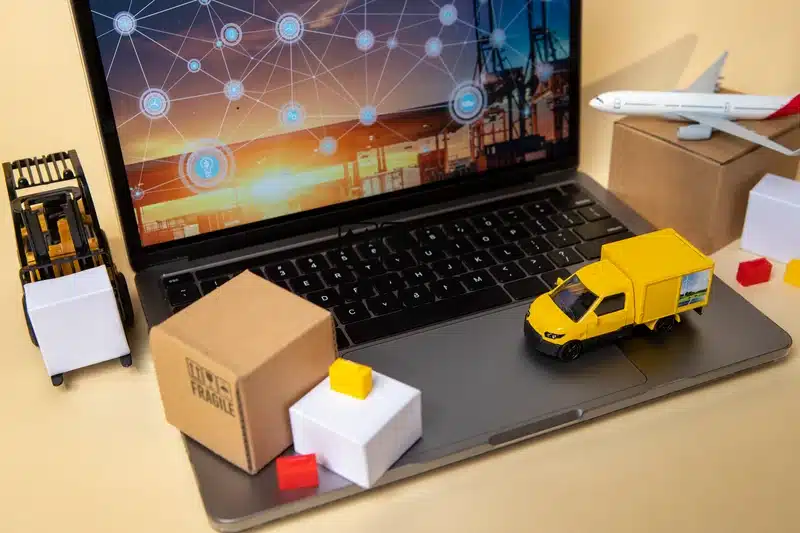
Strong customer satisfaction doesn’t happen by accident. It begins with dependable service, fast delivery, and products arriving in perfect condition. When customers trust a business to meet their expectations, they’re more likely to return. That trust starts at the very heart of operations, with how goods move from one place to another.
Third-party logistics, or 3PL logistics, plays a key role in this process. When handled correctly, it helps companies deliver the right product at the right time, without delays or excuses. This article explores how reliable logistics processes impact customer satisfaction, the strategies to maintain smooth operations, and the simple steps businesses can take to improve their overall service.
Top 5 Proven 3PL Logistics Strategies to Boost Customer Satisfaction
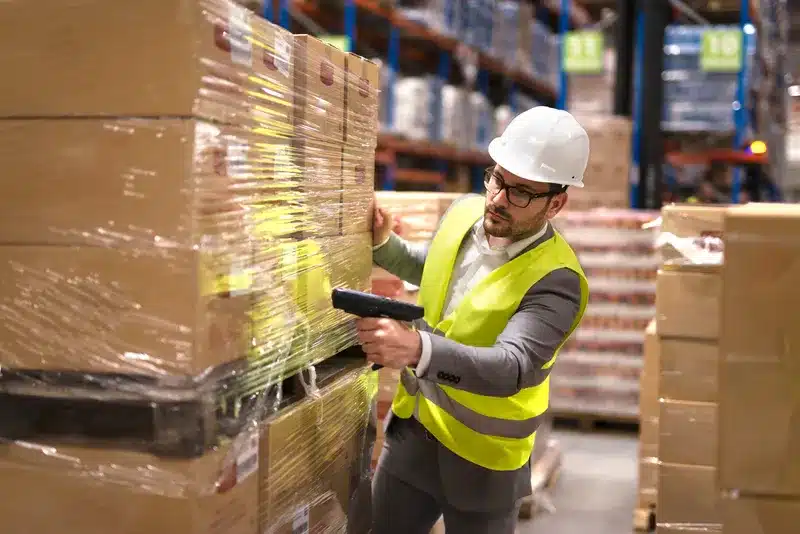
1. Clear Communication Builds Trust
Customers appreciate clear updates. They want to know when their order is confirmed, packed, shipped, and delivered. If there’s a delay or problem, a quick update can save the relationship. Lack of information creates stress, which damages a brand’s image.
Logistics teams that communicate well with both the business and its customers make a real difference. They provide tracking numbers, send shipping updates, and alert customers to any changes. This proactive approach builds trust and shows the customer that their time matters.
2. Speed Matters in Customer Experience
Delivery speed is a top concern for buyers. If a package arrives late, even by one day, it can result in frustration or lost business. That’s why reliable logistics must aim to move quickly without cutting corners. Faster service is not just about moving products quicker. It’s about knowing the best routes, avoiding unnecessary delays, and having warehouses close to key customer zones. Companies that value time show they also value their customers.
3. Quality Handling and Safe Delivery
Damaged goods are one of the fastest ways to lose trust. No one wants to wait several days only to receive a broken or poorly handled product. Safe delivery goes beyond just careful driving. It means using proper packaging, secure loading, and temperature control if needed.
Here’s how reliable logistics protects product quality:
- Proper packaging that suits the product’s size and material
- Staff trained in correct loading and unloading techniques
- Vehicles equipped to maintain safe conditions throughout the journey
- Inspection checks before and after delivery
These steps help ensure every order arrives just as it should, complete and in perfect shape.
4. Planning for Seasonal Peaks
Sales seasons, public holidays, and promotional events create delivery pressure. During these busy periods, poor planning can lead to delayed shipments, missed packages, and unhappy customers. That’s where strong planning and resource management make a huge difference.
Smart logistics teams prepare in advance. They hire extra help, increase warehouse stock, and update delivery schedules. These actions allow them to stay on top of orders, even when volumes double or triple. As a result, customers still get the same level of service, no matter the time of year.
5. Data Makes a Difference
Technology has changed how companies manage orders and shipping. Now, many businesses use software that tracks every step of the journey. This gives teams a clear picture of what’s happening and where improvements are needed. Data helps identify slow points, common mistakes, and repeat problems.
Once those issues are known, they can be fixed. This leads to fewer delays, smoother operations, and happier customers. It also means businesses can act quickly when things go wrong, before it affects the customer’s experience.
Conclusion
From order processing to final delivery, every step influences how a buyer feels about their purchase. 3PL logistics services, when consistent and well-managed, can give businesses the edge they need to create loyal customers. By focusing on timely deliveries, clear updates, safe handling, and smart use of data, companies can improve service quality without increasing costs. In the end, customers don’t just remember what they bought; they remember how they received it.
