


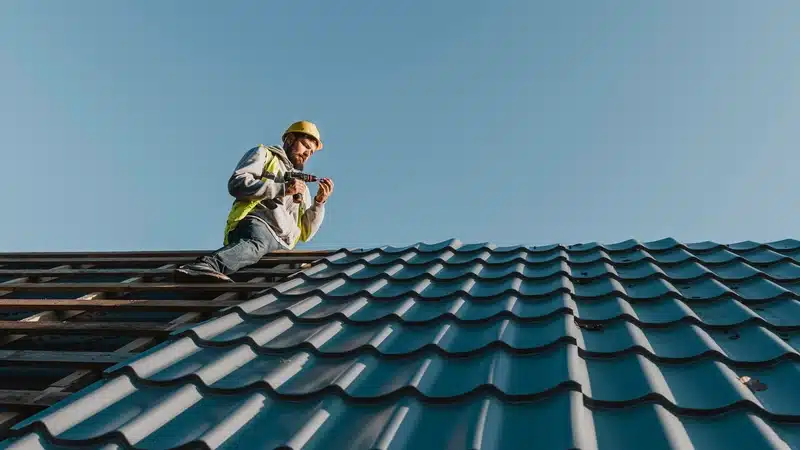
Roof replacement is a major investment, and choosing the right material makes all the difference in long-term performance, cost, and peace of mind. Traditional options like asphalt shingles, clay tiles, and wood shakes each come with their benefits and drawbacks. However, metal roofing has gained significant traction due to its durability, energy efficiency, and modern appeal.
To understand its real value, it’s worth comparing how it measures against other popular roofing materials. Many homeowners discover the difference in performance between standard roofing and long-lasting metal roofing systems within the first decade. This is often when the true advantages of metal roofs begin to shine through, especially when compared to the frequent upkeep demands of alternatives.
1. The Lifespan Factor
Metal roofs are known for their longevity, often lasting 40 to 70 years with proper installation. Asphalt shingles, by contrast, average around 15 to 25 years before replacement becomes necessary. Clay and slate tiles can rival metal in durability but often come with higher upfront costs and structural weight that may require additional reinforcement.
A metal roof’s resilience against weather elements, including hail, heavy rain, and strong winds, ensures fewer repairs over time. While asphalt may need periodic patching or full sections replaced after storms, metal remains intact far longer. This distinction plays a big role in overall cost savings.
2. Energy Efficiency and Comfort
Roofing plays a direct role in how much heat is absorbed into a building. Metal reflects sunlight, helping to maintain cooler interior temperatures during the summer months. This can reduce cooling bills significantly in hot climates.
Asphalt shingles, on the other hand, absorb heat, making cooling systems work harder. Clay and slate offer natural insulating qualities but may not reflect heat as effectively. Energy-efficient coatings available for metal further enhance savings, giving property owners a noticeable advantage.
3. Cost Considerations
Upfront costs often deter people from choosing metal roofs. Installation prices can be higher than asphalt, but the long-term value offsets this. Because of its long lifespan, fewer replacements are needed, and maintenance costs are lower.
Here’s a breakdown:
- Asphalt shingles: Lowest upfront cost, but frequent replacements increase lifetime expenses.
- Clay or slate tiles: High material and installation costs, plus structural reinforcement expenses.
- Metal roofs: Moderate to high initial cost but lower lifetime costs due to durability and energy savings.
The bigger picture shows that a metal roof is a smart financial decision for anyone planning to stay in their home for decades.
4. Maintenance Requirements
Maintenance needs differ widely between materials. Asphalt shingles often crack, curl, or lose granules, demanding constant monitoring. Wood shakes require protection against mold, insects, and decay, which means regular treatments. Clay and slate, while durable, are fragile and prone to breaking under pressure, making repairs expensive.
Metal roofing stands out for requiring minimal upkeep. Occasional inspections and simple cleaning are often enough to keep the system in peak condition. This reduction in labor and repair bills provides an added layer of convenience.
5. Aesthetic Versatility
Today’s metal roofing options offer a broad range of styles, textures, and colors. They can mimic the look of shingles, tiles, or even wood, giving property owners freedom to choose based on design preferences without sacrificing durability.
Asphalt remains the most common, but its style options are more limited compared to modern metal panels. Clay tiles have a distinct, traditional look, while slate provides elegance but restricts design flexibility due to weight. Metal’s adaptability allows it to fit seamlessly with contemporary, rustic, or classic architectural styles.
Conclusion
When comparing roofing materials side by side, metal consistently offers higher value in terms of lifespan, efficiency, and reduced maintenance. While the initial cost may appear higher, the long-term benefits outweigh the alternatives. Homeowners looking for reliability, sustainability, and modern design options will find that long-lasting metal roofing systems deliver on all fronts. For those considering an investment in their home’s future, a metal roof proves to be a superior choice.

1 Comment
Pingback: Concrete Tile vs Ceramic Tile: Which Is More Durable?