


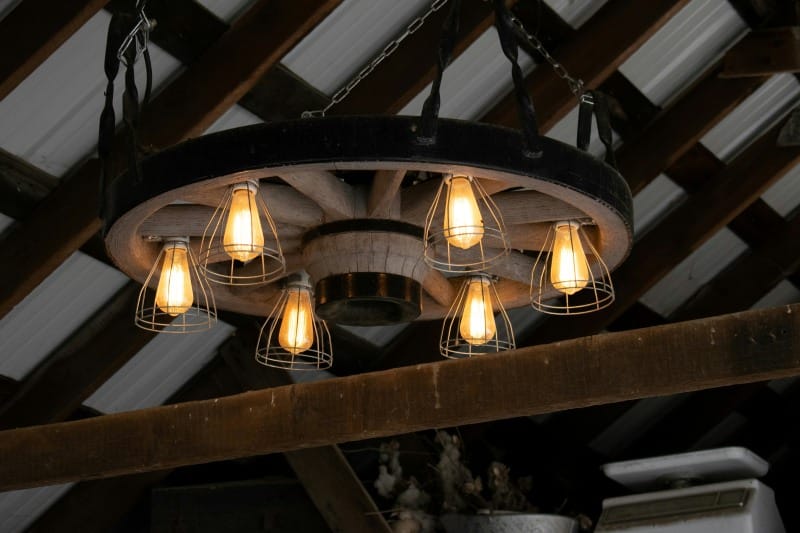
Looking to make a big impact on a room? Here’s an easy fix!
Farmhouse style chandeliers and lighting are one of the most impactful design decisions homeowners make. And for good reason – these fixtures add character, a cozy factor, and charm with one simple choice.
You’d be amazed how much a farmhouse lighting piece can transform any space.
And here’s the thing… farmhouse chandeliers have skyrocketed in popularity over the past 10 years. While they were once exclusive to, well, farmhouses, now these unique fixtures fit in almost anywhere.
Think about it…a dining room, entryway, foyer, kitchen island, or bedroom. These farmhouse chandelier style lights have a timeless, rustic character that doesn’t go out of style. And that makes them a low-risk, high-reward design choice for any space.
In this guide:
- Why are Farmhouse Chandeliers So Popular?
- Key Features of Farmhouse Chandeliers
- Where to Hang a Farmhouse Chandelier?
- Materials Used in Farmhouse Chandeliers
- Choosing the Right Size Farmhouse Chandelier
Why are Farmhouse Chandeliers So Popular?
Farmhouse style chandeliers are one of the most popular lighting fixtures on the market right now. And it’s easy to see why. They combine both the vintage farmhouse look with the functionality we all love. In fact, according to Homes and Gardens, modern farmhouse lighting is not slowing down in 2025.
For the homeowner, farmhouse lighting has so much to offer:
- Warmth and ambiance
- Rustic, cottage character
- Timeless style that doesn’t go out of fashion
Not to mention, there’s a farmhouse chandelier for every budget and style.
The demand is clear. The decorative lighting market was estimated at over $35 billion in 2024 with consumers continuing to prioritize beautiful, functional lighting options for their homes. Farmhouse chandeliers fill that niche in a big way.
When you’re shopping for farmhouse chandeliers, you’ll see what that means. Wood and metal combinations. Candle lights. Wagon wheel lights. There’s so many variations available, each offering different personality options.
And that’s what makes them so great. Farmhouse chandeliers are versatile and can work for just about any home and design style. You live in an actual farmhouse? Great. Urban apartment? They work there too.
Key Features of Farmhouse Chandeliers
Farmhouse chandeliers come in all shapes and sizes. Some nail the farmhouse design, while others are a big miss.
Here are a few things to look for when choosing your farmhouse chandelier:
- Distressed/weathered finishes for character
- Natural materials like wood, iron, or bronze
- Exposed or candle style bulbs
- Mix of clean lines and rustic texture
- Neutral color palettes like black, bronze, or wood tones
It’s about finding the right balance. Modern farmhouse chandeliers don’t have to look dated or overdone.
What’s something most people don’t consider with these fixtures? Hardware. Chains, canopies, and mounting hardware are equally as important as the main fixture. Quality pieces ensure your chandelier will hang beautifully for years to come.
LED bulbs are also increasingly popular, for energy efficiency as well as the warm glow they create. The technology has advanced so much, it’s not even hard to find LED-compatible farmhouse chandeliers. Bonus points for energy efficiency and reduced electric bills.
Where to Hang a Farmhouse Chandelier
Placement is everything with chandeliers. Hang it in the wrong spot and it can feel completely off in a space. Get it right, and it’s the room’s new focal point.
The most popular places to hang farmhouse style chandeliers include:
- Dining rooms: Hung centered over the table
- Entryways: Makes a great first impression
- Living rooms: Anchor a conversation area
- Bedrooms: Adds an unexpected touch of sophistication
- Kitchen islands: Task and ambient lighting
Each spot has different considerations. A dining room chandelier, for example, should hang about 30-36 inches above the table’s surface. Entryway and foyer fixtures should have plenty of clearance for people to walk beneath.
Tip: Measure the ceiling height before making a purchase. Rooms with standard 8-foot ceilings need smaller, more compact fixtures. Larger, more dramatic farmhouse chandeliers look great in rooms with vaulted ceilings.
The size of the room matters as well. Hang a small chandelier in a huge space and it will look lost. Go too big in a smaller area and it will overwhelm the room.
Materials Used in Farmhouse Chandeliers
The materials give farmhouse chandeliers their special character and charm. Learning a bit about these will help you decide on the right fixture.
Wood is one of the most popular elements. The natural warmth and texture it provides makes farmhouse-style shine. Reclaimed wood is especially common for farmhouse lighting, adding in history and authenticity.
Metal like wrought iron is another frequent choice for the base or chain. Black iron is classic for farmhouse fixtures, but bronze and copper are also common. Some chandeliers mix multiple metals for visual interest.
Natural fibers and rope are additional materials common for farmhouse decor. Elements like rope add that coastal farmhouse charm. Great for beach houses or those after a more casual, laid-back look.
The finish is also key. Weathered/distressed finishes mimic antique pieces with intentional wear and tear. Matte and satin finishes are more modern while still offering rustic charm.
Keep in mind the shades, too. Clear glass exposes the bulbs for a more industrial farmhouse look. Seeded glass shades have texture and diffuse the light beautifully. Fabric shades are soft for a bedroom or formal dining room.
Choosing the Right Size Farmhouse Chandelier
Getting the size right is a bit of math, but it’s easier than it sounds. A few guidelines are all you need.
Dining rooms: Take your table’s width and length (in inches). Add those numbers together. That’s the diameter (width) your chandelier should be. For example, a 40×72 inch table works best with a chandelier around 112 inches in diameter (about 3 feet).
Entryway and foyers: Add the room’s length and width (in feet). Convert that number to inches and that’s your chandelier’s ideal diameter. So, a 10×12-foot entry would need about a 22-inch chandelier.
Height matters, too: Allow at least 7 feet of clearance in passageways for the bottom of a chandelier. Dining rooms should also have 30-36 inches between the bottom of the chandelier and table’s surface.
Visually speaking, size matters, too. A delicate, airy chandelier can go a little bigger without overwhelming. A heavy, more solid fixture will need to be sized more carefully so it doesn’t dominate.
Wrapping Up
Farmhouse style chandeliers and lighting are one of the best investments homeowners can make for a space. They instantly add warmth, character, and that cozy factor that’s hard to beat.
Remember:
- Choose materials that are true to farmhouse charm
- Size matters: Use the tips above to get your measurements right
- Placement height matters for aesthetics and function
- Quality construction ensures your chandelier will last
The farmhouse style is as versatile as it is classic. We’re seeing a lot of modern farmhouse and transitional farmhouse designs these days. Blending updated functionality with rustic charm. It’s never been easier to incorporate these chandeliers into your home.
Whether you’re tackling one room or renovating the whole house, that first farmhouse lighting fixture will set the tone. Pull all your design elements together into a cohesive whole.
Pick the space that needs the most impact. Measure, research farmhouse chandelier styles you love, and find the perfect fixture for your space. It’s that easy to start transforming.
It’s more than just illumination. It’s the centerpiece that makes every moment feel like home.
