


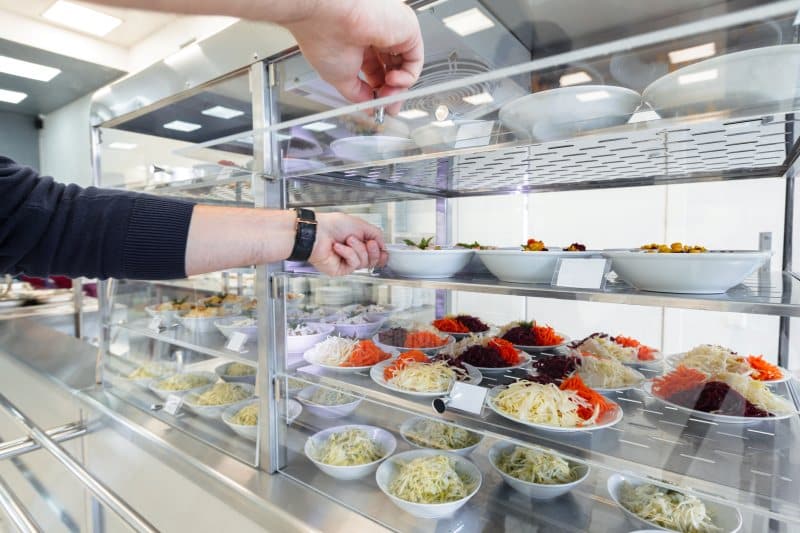
In any restaurant, café, or food service business, maintaining proper food safety is essential. A commercial refrigerator is a central part of food safety, helping to store ingredients at the right temperature and prevent spoilage. Proper maintenance, cleaning, and organization of a commercial fridge not only protect customers but also support efficient kitchen operations. Understanding how to care for these appliances can make a significant difference in food quality and business performance.
Importance of Food Safety in Commercial Refrigeration
Food safety is critical to prevent foodborne illnesses and maintain the reputation of a business. A commercial refrigerator keeps perishable items like meat, dairy, and produce at safe temperatures. Without consistent cooling, bacteria can grow, causing spoilage and health risks. Regular cleaning and proper maintenance are necessary to ensure that the refrigerator continues to operate effectively.
UL refrigerators are often used in commercial kitchens because they meet strict safety standards. UL certification indicates that the appliance has been tested for electrical safety and performance. For restaurant owners, using UL-certified commercial refrigerators provides assurance that the unit can handle continuous use while minimizing risks.
Key Practices for Commercial Fridge Maintenance
Maintaining a commercial refrigerator involves more than simply storing food. A structured approach to cleaning and upkeep helps ensure food safety and extends the life of the appliance.
Regular Cleaning
Cleaning is necessary to stop the growth of germs, mold, and bad odors. Commercial fridge maintenance should include both daily and periodic cleaning tasks. Daily cleaning may involve wiping down surfaces, removing spills, and ensuring that shelves and bins are free from debris. Periodic cleaning should be more thorough, including interior walls, door gaskets, and shelving.
Sanitize commercial refrigerator surfaces regularly. Food-safe sanitizers help eliminate harmful bacteria without damaging the appliance. Pay attention to areas that come into direct contact with food, such as shelves, drawers, and storage bins.
Temperature Monitoring
Maintaining the correct temperature is one of the most important aspects of food safety. Refrigerators should keep perishable items at or below 40°F (4°C), while freezers should maintain 0°F (-18°C) or lower. Using a thermometer or digital temperature display allows staff to monitor conditions and make adjustments if necessary.
Some UL refrigerators include built-in digital controls and alerts that notify staff if temperatures exceed safe limits. Regularly checking temperatures helps prevent spoilage and ensures compliance with food safety regulations.
Organizing Food Properly
Proper organization inside a commercial refrigerator improves airflow and reduces the risk of contamination. Store raw meat on lower shelves to prevent drips onto other foods. Group similar items together and avoid overcrowding, which can block cold air circulation and reduce efficiency. Using clear containers or labeled bins can help staff quickly find items while maintaining hygiene standards.
Cleaning Door Seals and Gaskets
Door seals and gaskets are often overlooked, but they play a critical role in maintaining proper cooling. Cracks or gaps in seals allow cold air to escape, forcing the compressor to work harder and increasing energy use. Regularly inspect seals for damage, clean them with mild detergent, and replace them if necessary to maintain optimal performance.
Defrosting and Coil Maintenance
Some commercial refrigerators require manual defrosting. Ice buildup can reduce cooling efficiency and compromise food safety. Regular defrosting, if applicable, is important to maintain proper operation.
Condenser coils also require periodic cleaning. Dust and debris can reduce cooling performance and increase energy consumption. Cleaning coils according to manufacturer instructions ensures that the refrigerator operates efficiently and consistently.
Using Food-Safe Materials
When cleaning a commercial refrigerator, it is important to use food-safe cleaning agents. Harsh chemicals or abrasive cleaners can leave residues that contaminate food. Mild detergents and food-grade sanitizers are recommended for surfaces, shelves, and bins. Avoid spraying cleaning agents directly onto food or in areas where food is stored.
Tips for Maintaining Different Types of Commercial Refrigerators
Different types of commercial refrigerators may require slightly different maintenance approaches. Understanding the specific needs of each unit helps maintain consistent performance.
- Reach-In Commercial Refrigerators: Ensure that shelves are not overcrowded and that doors close properly. Monitor temperature consistency and clean shelves and bins regularly.
- Under-Counter Refrigerators: These units are often used for prep stations. Wipe down surfaces daily, sanitize drawers, and check gaskets frequently.
- UL Refrigerators: Follow manufacturer guidelines for cleaning and maintenance to preserve safety certifications. UL-certified models may include specific recommendations for temperature monitoring and coil cleaning.
- Display Refrigerators: These units often have glass doors for visibility. Clean glass regularly to maintain visibility and hygiene, and avoid using harsh chemicals that can damage surfaces.
Staff Training and Routine Procedures
Maintaining a commercial fridge is not only the responsibility of kitchen managers. All staff should be trained on proper cleaning and food safety procedures. Establish routine tasks such as wiping down surfaces, checking temperatures, and organizing shelves.
Creating a cleaning schedule ensures that maintenance is consistent. Daily, weekly, and monthly work activities should be clearly identified. Staff should also understand the importance of reporting issues, such as malfunctioning temperature controls or damaged gaskets, so that repairs can be made promptly.
Benefits of Proper Maintenance
Proper maintenance of a commercial refrigerator provides multiple benefits:
- Enhanced Food Safety: Regular cleaning and temperature monitoring reduce the risk of bacterial growth and spoilage.
- Extended Appliance Lifespan: Well-maintained refrigerators operate efficiently and experience fewer breakdowns.
- Energy Efficiency: Cleaning coils, maintaining door seals, and organizing contents help the appliance run with less energy, lowering utility costs.
- Regulatory Compliance: Many local health departments require proper refrigeration and maintenance practices. Following guidelines helps avoid violations and penalties.
- Improved Kitchen Workflow: A clean and organized refrigerator allows staff to access ingredients quickly, improving efficiency during busy service periods.
Common Challenges and Solutions
Even with careful maintenance, commercial refrigerators can face challenges. Common issues include temperature fluctuations, ice buildup, and mechanical wear. Addressing these issues promptly prevents food loss and safety risks.
- Temperature Fluctuations: Check door seals and compressor function. Avoid opening doors excessively and allow the refrigerator to stabilize after restocking.
- Ice Buildup: Regular defrosting or using automatic defrost features helps prevent ice accumulation.
- Mechanical Wear: Schedule routine inspections to identify potential problems early. Replacing worn gaskets, fans, or compressors can prevent larger failures.
Conclusion
Maintaining optimal food safety in commercial fridges is essential for any restaurant or food service operation. Regular cleaning, proper organization, temperature monitoring, and attention to appliance condition all contribute to safe and efficient kitchen operations.
Using UL refrigerators and other certified appliances ensures safety and reliability in a busy commercial environment. Staff training, routine maintenance schedules, and careful organization help maximize the efficiency and lifespan of commercial refrigerators.
For restaurant owners, café operators, and other small business managers, investing time and effort into commercial fridge maintenance is an investment in food safety, operational efficiency, and customer satisfaction. A well-maintained commercial refrigerator supports safe food storage, reduces waste, and enhances the overall performance of a food service business.
