


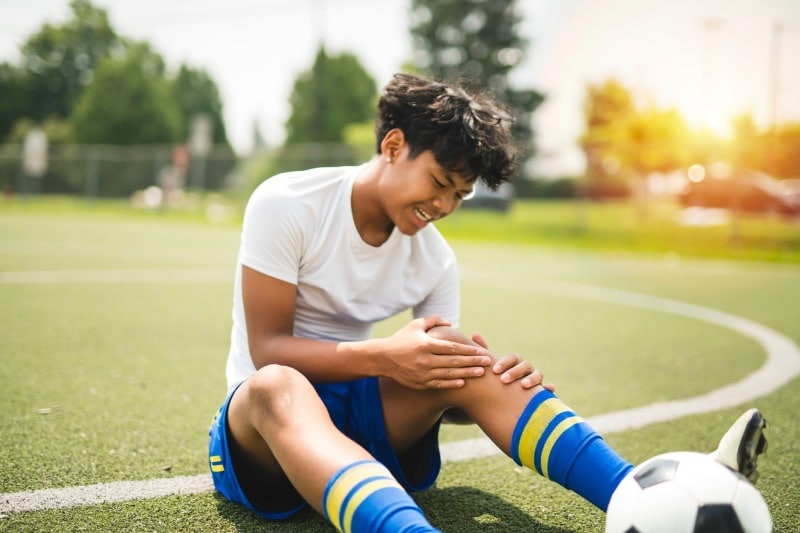
Active children often experience bumps, bruises, and scrapes as they explore their surroundings. These unintentional injuries are a regular part of growing up, yet parents often find it difficult to distinguish between a minor mishap and a more serious issue. Understanding this distinction is helpful because a child’s body is constantly changing.
Physical development plays a significant role in how injuries happen. Growing bones are sometimes softer than adult bones, and the areas where growth occurs, known as growth plates, are susceptible to specific types of stress. Rapid height increases can also temporarily affect a child’s coordination and balance.
Learning how these physiological changes interact with physical activity helps in identifying which aches are part of typical development and which require professional attention. Keeping an eye on how your child moves and recovers will help you manage their physical health as they grow.
Primary Points:
- Children’s growth plates are weaker than bone and highly susceptible to sports injuries.
- Rapid growth phases can temporarily affect a child’s balance and coordination levels.
- Healing happens quickly in kids, but proper bone alignment is necessary for growth.
- Seek professional help if pain, swelling, or limping lasts more than three days.
- Balanced nutrition and adequate sleep are essential for repairing developing bone tissue.
How Children’s Bodies Grow and Heal?
Children’s bones grow primarily at the ends in areas called growth plates. These sections are made of developing cartilage and are weaker than the surrounding solid bone or nearby ligaments. While bones lengthen, muscles and tendons must stretch to keep up. This process creates a window where the skeletal system is expanding rapidly, often resulting in temporary physical imbalances or tightness in the limbs.
A major difference between children and adults is the periosteum, a thick membrane covering the bones. In kids, this layer is dense and highly active, providing a rich blood supply that accelerates the knitting of fractures. Adult bones lack this level of vascular activity, making their recovery slower. Additionally, children’s ligaments are often stronger than their growth plates, so a force that might cause a sprain in an adult frequently causes a fracture in a child.
Speedy healing is a hallmark of childhood, but fast does not always mean perfect. Because growth plates are still active, an injury that is not aligned correctly can lead to permanent changes in how a limb develops. If a growth plate is damaged and stops functioning, one limb might end up shorter or more curved than the other. Proper alignment during the initial healing phase is necessary to prevent these long-term structural issues.
Rapid growth phases further complicate recovery. When a child has a growth spurt, their center of gravity shifts, and their flexibility often decreases as muscles struggle to match bone length. If an injury occurs during this time, the body is under double the stress of trying to repair tissue while simultaneously fueling a growth surge. This can lead to overuse injuries or recurring pain if the child returns to sports before their coordination catches up with their new height.
Common Childhood Injuries That Are Usually Normal
Most active kids deal with minor fractures, sprains, and head injuries at some point. Falling off a bike or tripping on a sidewalk usually results in a scrape or a bump that heals quickly. These incidents are standard parts of a physical childhood and rarely cause lasting harm.
Parents can usually manage these situations in the home environment with rest and basic first aid. Minor skin abrasions and superficial swelling often look worse than they are, but they tend to resolve without medical intervention.
Growth Plate Irritation Versus Serious Growth Plate Injuries
Irritation in the growth plates often happens during sports or repetitive activities. This is typically a temporary discomfort caused by the area being softer than the rest of the bone. Serious injuries involve a clean break through that cartilage. If your child cannot put weight on a limb or if the area looks deformed, it is time to look for an X-ray near me to check the alignment.
Regular soreness that fades with rest is normal, but sharp pain directly over the joint needs a professional look to make sure the bone continues to grow straight. Chronic tugging at the growth plate, like what happens in Osgood-Schlatter disease, is a common irritation that eventually settles as the skeleton matures.
Falls, Sports Mishaps, and Playground Injuries
Playground equipment and youth sports are frequent sites for minor accidents. A twisted ankle or a jammed finger happens because kids are still learning to control their movements as their limbs get longer. Most of these mishaps result in soft tissue swelling that goes down within a few days. You can expect some bruising to appear and change color as the body clears away the damaged cells.
Low-impact falls onto grass or rubber mats rarely cause deep structural damage. As long as the child can move the joint and the pain decreases steadily, these events are not a cause for alarm. Monitoring how they play the next day provides a good indication of the injury’s severity.
Recovery Timelines and Follow-up Care
Typical recovery for a standard bruise or minor strain lasts about one to two weeks. A simple fracture in a young child might heal in as little as three or four weeks because their blood supply is so active. Parents can expect a gradual return to activity as the pain subsides.
Follow-up care is usually optional if the child regains their full range of motion and shows no signs of limping or favoring one side. Once the swelling is gone and the strength returns to the area, the injury is likely resolved. You should monitor their play for a few days to be sure they feel comfortable moving at full speed again. Routine checks are unnecessary if the limb looks normal and functions without any lingering stiffness during daily tasks.
Signs an Injury May Be More Than ‘Normal’
While most bumps fade, certain indicators suggest the body is struggling to repair itself correctly or that the initial damage was deeper than it appeared.
Persistent Pain, Swelling, or Limping
Pain that continues for more than three days without any visible improvement is a signal that the damage is deep. Swelling should peak within forty-eight hours and then steadily decrease; if the area remains puffy, firm, or warm to the touch beyond this point, inflammation is still active. Limping is a clear sign of a functional problem that should not be ignored.
Even if a child says they feel fine, an altered gait indicates their brain is trying to protect a joint or bone from further strain. Continuous discomfort that wakes a child up at night is another specific sign that the injury is not a standard bruise.
Delayed Healing or Repeated Reinjury
Most childhood soft tissue injuries show significant progress within a week of home care. If the site still hurts after ten days of rest, the underlying structure might have a hairline fracture or a significant tear that requires a splint or cast. Reinjury in the same spot suggests the original issue never fully resolved or that the supporting muscles have become too weak to protect the joint. Frequent complaints about the same limb during soccer practice or playground play mean the area needs professional evaluation to break the cycle of damage.
Limited Range of Motion or Uneven Limb Growth
Compare the injured limb to the healthy one daily to check for differences in flexibility. If your child cannot fully straighten their arm or rotate their wrist as far as the other side, internal scar tissue or bone displacement might be blocking the joint. Pay attention to how clothes fit or how the child stands during quiet moments. Shoulders that appear uneven or one leg that seems to turn inward more than the other can be early signs of a growth plate disturbance that is affecting skeletal symmetry.
Behavioral Changes Such as Avoiding Movement or Play
Sometimes kids cannot articulate exactly where they hurt, so they simply stop participating in activities they once enjoyed. A child who suddenly refuses to climb on the jungle gym or asks to sit out during their favorite sport is likely experiencing hidden discomfort. They might develop behavioral problems because their body is using extra energy to manage chronic pain.
Watching for these shifts in daily habits provides a window into their physical state when verbal descriptions are lacking. If a child begins to use their non-dominant hand for tasks like eating or drawing, it is a practical sign that the dominant side is compromised.
The Role of Sports and Physical Activity
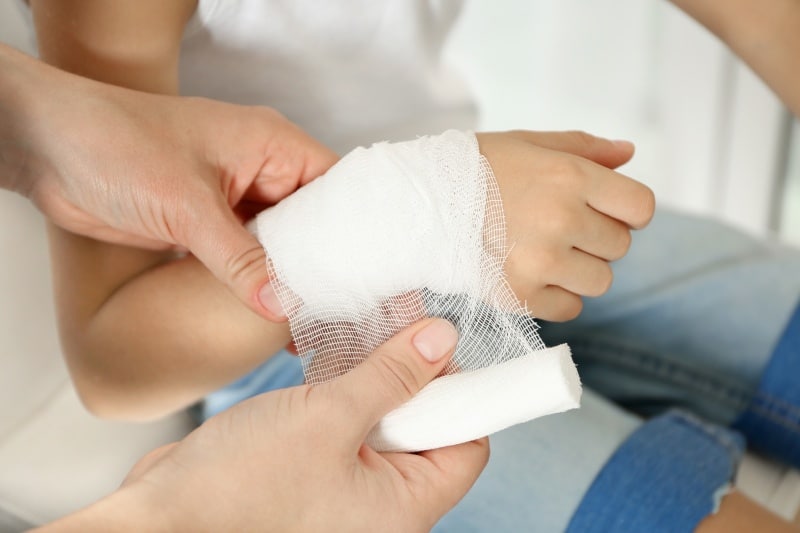 Participation in sports provides a foundation for healthy skeletal and muscular development. Engaging in regular physical activity strengthens bones by increasing mineral density and improves cardiovascular health. Moving through different planes of motion helps children develop proprioception, which is the body’s ability to sense its position in space. Regular play also encourages the release of hormones that support tissue repair and overall physical maturation.
Sports specialization can lead to specific child injuries. When a child performs the same motions repeatedly, they put constant stress on the same joints and growth plates without allowing for adequate recovery. This repetition often leads to overuse injuries like stress fractures or tendinitis.
Beyond the physical strain, early specialization is a frequent cause of mental burnout. Teens who feel pressured to perform in one area may lose interest in being active altogether, which halts the developmental progress they gained from earlier participation.
Safety precautions are necessary to protect a growing body from these setbacks. Diversifying activities allows different muscle groups to develop, which provides better support for the joints. Rest days should be a non-negotiable part of any training schedule to give the body time to repair microscopic tears in muscle fibers.
How Parents Can Support Safe Healing?
Managing injury prevention and recovery requires a balance between allowing the body to rest and maintaining gentle movement. While complete immobilization is sometimes necessary for a fracture, total inactivity for minor strains can lead to muscle stiffness and a slower recovery. Parents should encourage low-impact movement as soon as the initial sharp pain subsides to keep blood flowing to the affected area.
Nutrition, Sleep, and Hydration During Recovery
The body requires specific resources to rebuild bone and muscle tissue effectively. Providing meals rich in calcium, vitamin D, and protein supports the structural repair of the skeleton and connective tissues. Hydration is equally important, as water transports nutrients to cells and helps maintain the elasticity of developing ligaments. Because the majority of tissue repair happens during deep rest, ensuring a child gets consistent, high-quality sleep is one of the most effective ways to accelerate their return to health.
Importance of Proper Diagnosis and Follow-up Care
Getting an accurate assessment from a professional ensures that a minor issue does not turn into a permanent problem. A specialist can determine if a child needs a specific brace or if certain movements should be avoided to protect a growth plate. Attending follow-up appointments is helpful even if the child seems better, as these visits confirm that the bone is maturing as expected. Skipping these checks might result in missing a subtle misalignment that only becomes obvious months later.
Communicating With Coaches, Teachers, and Healthcare Providers
Clear communication ensures that everyone involved in a child’s daily life understands their physical limits. Sharing the specific recovery plan with coaches prevents the child from being pushed back into high-intensity drills too early. Informing teachers about the injury helps them make adjustments for physical education classes or even heavy backpack use. When parents, healthcare providers, and mentors stay aligned, the child receives safety reminders about the importance of a gradual and safe return to their normal routine.
In Closing
Growing up involves a fair share of physical mishaps, but most of these moments are simply milestones in a child’s development. Distinguishing between a routine scrape and a structural concern becomes easier when you understand how growth plates and bones mature.
Parents play a central role in monitoring these changes and providing the right environment for recovery. Staying observant of physical shifts and behavioral cues helps you catch issues before they impact long-term health. Supporting a child through an injury is about balancing patience with proactive care.
Professional guidance remains a helpful tool for verifying that the healing process is on track. Focusing on steady progress rather than a rushed return to activity helps maintain a healthy path toward adulthood.
