


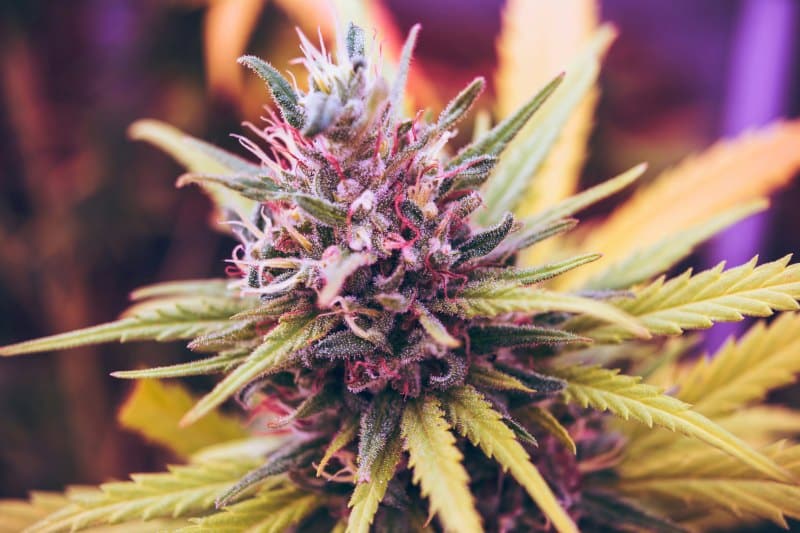
From oddly shaped leaves to unexpected colours, unusual plants have always existed, but only recently have they become a talking point among gardeners, afiscionados and casual plant lovers alike. What was once a niche curiosity has grown into a broader trend driven by our love for nature with all its incredible diversity. What’s more, we’ve never spent more time and energy personalising our homes exactly to our liking, and nothing says “This is me!” more than your favourite plant with very distinctive characteristics that make it stand out from the crowd. They’re not just something we want for a visual appeal or as a conversation starter; it’s a living reminder that nature doesn’t follow a single blueprint.
The Appeal of the Unexpected
One area where this trend is specifically visible is colour. Deep reds, purples and blues are catching the eye of growers and collectors who are searching for something new and different from standard green. This has led to increased interest in plants grown specifically for their unusual pigmentation. One of the best examples is the incredible variety of cannabis grown from purple strain seeds. These vibrant plants stand out not only because of their hue, but also their unique qualities, as well as the fact that they challenge the assumption about what familiar plants “should” look like. Basically, it taps into a simple human instinct – chasing curiosity.
When something breaks our expectations, be it speckled leaves, twisting stems, or dramatic colours, we immediately want to examine it, understand it, and ultimately: have it. There’s a sense of individuality involved in the process; just as we seek original clothes, cool furniture and dye our hair blue, distinctive plants allow us to express our individuality. These unexpected traits often come with stories, too. Some result from genetic variation, while others are influenced by temperature, light, or stress level during the growth phase. Learning about all these little details adds another layer of fascination, turning the plant into an ongoing experiment, rather than a boring decoration.
More Than Just Looks
While aesthetics play a big role, these unusual traits bring much more to the table. They are often associated with certain superpowers that the plant might possess. It also gives us an insight into how plants adapt and survive in certain conditions, their response to climate, and sudden changes. Observing it up close gives even casual growers a glimpse into the fascinating world of biology and resilience. You don’t need a background in botany to find this new hobby intoxicating. Following the example of purple cannabis, you can learn how they gain their colour from anthocyanin, a powerful antioxidant found in a variety of fruits and veggies, like eggplants or blueberries.
Pop Culture and Social Media Craze
As with everything, unique plants have a trending potential. Just think about Purple Haze, Jimi Hendrix’s hit song that made this particular plant strain practically legendary. Today, social media is full of close-ups, care tips, and before-and-after updates. A well-posted image of a purple leaf or a strangely patterned flower can travel a long way, inspiring others to seek out similar weirdos in the botanical world or learn how these traits develop. And the conversation rarely stops at appearance. Plant lovers love to share their knowledge, from soil to the watering process, spreading the disease among fellow hobbyists.
Final Thoughts
We live in the age of individuality. If we want our looks, our houses and cars to have their own personality, it’s only natural that we desire the same from our plants. What’s more, the ongoing trend of going back to nature has brought a shift that favours observing plants in all their incredible diversity and appreciating the botanical world for what it is.
