


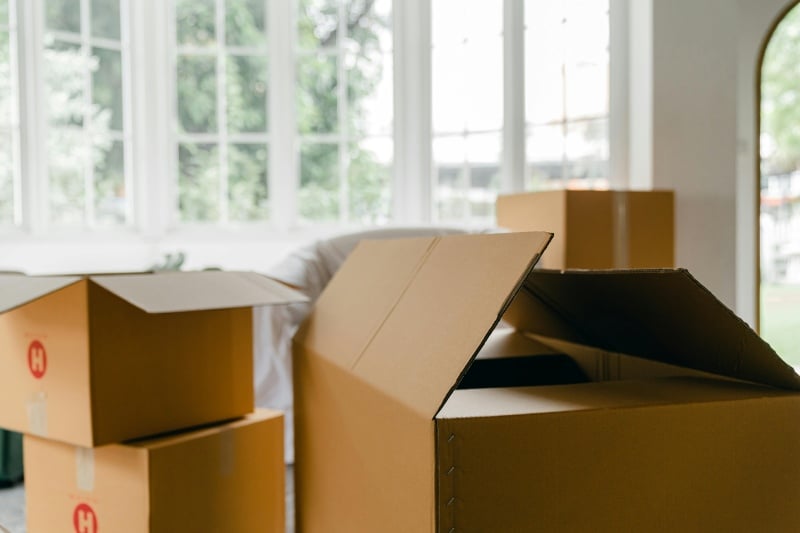
Have you ever tried to shove one more thing into a closet and realized the problem isn’t organization anymore, it’s capacity? You shift a few boxes to the side. Then stack items a little higher to clear space. At the same time, you promise yourself you’ll sort through everything soon. But “soon” keeps sliding. It’s never one big pile. It’s small additions that don’t seem urgent at the time. Extra bedding. Tools you actually use. Décor you rotate. Stuff that still matters.
Most homeowners are overwhelmed because life shifts faster than space does. Seasons change. Hobbies evolve. Kids grow. Work moves into the house. Furniture gets replaced but not immediately removed. Rooms start holding things they weren’t designed to hold. And after a while, it’s not clutter exactly. It’s congestion.
The issue isn’t owning too much. It’s having too many parts of life sitting in the same square footage at once.
Why Extra Space at Home Doesn’t Always Mean Peace of Mind?
You can have a decent-sized house and still feel cramped. When spare bedrooms turn into storage zones, and garages become narrow pathways between stacked bins, daily life gets a little harder than it needs to be.
We tell ourselves we’ll reorganize “this weekend.” Sometimes we do. But often the real issue isn’t organization. It’s density. Too many categories of life sharing the same walls. Winter gear next to gardening tools. Keepsakes mixed in with home office files. Furniture being saved “just in case.” It builds up quietly.
How Off-Site Storage Creates Breathing Room Without Letting Go?
At some point, homeowners start asking a different question. Instead of “How do I fit this?” it becomes “Does this need to live here full-time?” That shift changes everything.
Off-site storage works best when it’s treated as an extension of your home, not a dumping ground. For example, secure, accessible storage units allow homeowners to rotate seasonal items, protect furniture during renovations, or store recreational equipment in a climate-aware environment without crowding their living space year-round. When access is simple and security is strong, storage becomes a tool, not a compromise.
The benefit isn’t just physical space. It’s visual calm. When closets close easily, and garages can actually hold a car, daily routines feel lighter. You’re not stepping around bins or shifting boxes just to find a rake. The home starts functioning the way it was meant to.
This doesn’t mean you’re avoiding decisions. In fact, it can make decisions easier. By moving non-essential items out of daily sight, you can think more clearly about what you truly use and what you’re ready to release.
The Financial Upside Most People Don’t Consider
Upsizing a home is expensive. Renovations are expensive. Even finishing a basement to gain more usable storage can cost more than expected. Compared to that, off-site storage is often a smaller, flexible expense.
There’s also protection to consider. In Vermont, the weather isn’t gentle. Damp basements and unheated garages can damage furniture, paperwork, or equipment. Storing items in a secure, well-maintained facility reduces the risk of mold, warping, or accidental damage. That protection adds value over time.
For homeowners preparing to sell, storage can also make staging easier. A less crowded home shows better. Rooms look larger. Closets feel usable. Buyers imagine their life in the space, not yours, packed into every corner.
Life Transitions Become More Manageable
Storage becomes especially useful during life changes. Moving between homes, combining households, or handling inherited items can all create short-term overflow. Without extra space, those moments turn stressful quickly.
Instead of rushing through decisions, off-site storage allows breathing room. You don’t have to sort everything in one weekend. You don’t have to choose what stays and what goes while emotions are high. Items can be stored securely while you figure out the next step.
Renovations are another common situation. Protecting furniture and personal belongings during construction keeps them safe and keeps your living space more usable. It also prevents dust and damage, which is harder to undo than people expect.
Mental Clarity Is a Real Benefit
There’s something about clear surfaces and open floors that changes how a home feels. It’s subtle. Hard to measure. But noticeable. When rooms aren’t doubling as storage closets, they feel calmer.
Visual clutter creates background stress. Even if you think you’ve gotten used to it, your brain still registers it. Reducing that visual noise often improves focus and even sleep. It sounds small, but it matters.
Home offices work better without stacked boxes nearby. Kitchens feel easier to cook in when counters aren’t crowded. Bedrooms feel more restful when they’re not holding extra furniture waiting for its next use.
Off-site storage doesn’t solve every stressor. But it removes one steady source of friction.
Storage as Strategy, Not Avoidance
There’s a difference between using storage intentionally and avoiding decisions. The key is having a plan. Seasonal rotation is a plan. Protecting items during renovation is a plan. Preserving heirlooms safely is a plan. Sometimes it simply means admitting that your home doesn’t have to hold every phase of your life at the same time. Space can be flexible without being wasteful.
Checking in once or twice a year helps. What’s still needed? What can be donated? What should come home, and what can stay stored? When storage is reviewed periodically, it stays useful instead of turning into a forgotten archive.
The goal isn’t to own more. It’s to manage what you already own in a way that supports how you live now.
Not every homeowner wants to move. Not everyone wants to declutter down to the bare minimum. In a town where life shifts with the seasons and equipment is part of daily living, some level of storage will always be necessary.
The question becomes where that storage lives.
When non-daily items move off-site, the home regains balance. Living areas return to their intended purpose. Garages function again. Closets open without resistance. It’s not dramatic. It’s steady.
Off-site storage doesn’t change your square footage. It changes how that square footage feels. And for many homeowners, that difference is enough.
