


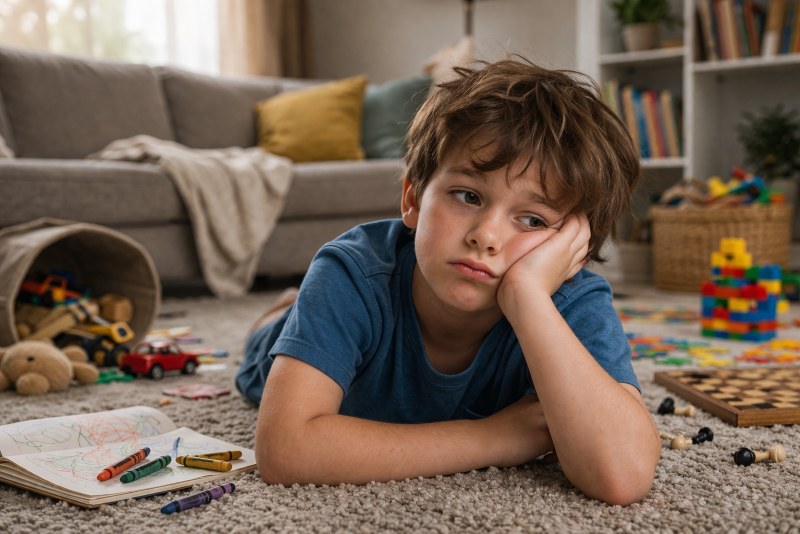
When kids say they are bored, they usually do not need endless entertainment. They need the right kind of activity for that moment. Some children need movement. Some need a creative outlet. While some need a quiet challenge. Others need a fun way to learn, build, explore, or connect with family. That is why the best Things For Kids to Do When Bored should cover more than one type of play.
This guide gives you 100 boredom busters arranged in a clear, user-friendly structure. It is designed for parents, caregivers, teachers, and babysitters who want simple ideas that are easy to scan and easy to use.
The Complete List of Things For Kids to Do When Bored
Finding suitable things for kids to do when bored feels tricky because age considerations, safety concerns, and limited resources can make kids feel bored fast. Many families also look for Things to Do When Bored that are simple, safe, and easy to start at home.
By guiding boredom, children grow into well-rounded individuals, equipped to face the world with confidence. Encouraging them to engage in activities they feel ready for builds independence, helps discover interests, build resilience, and cultivate important life skills.
Start with Arts and Crafts That Spark Creativity
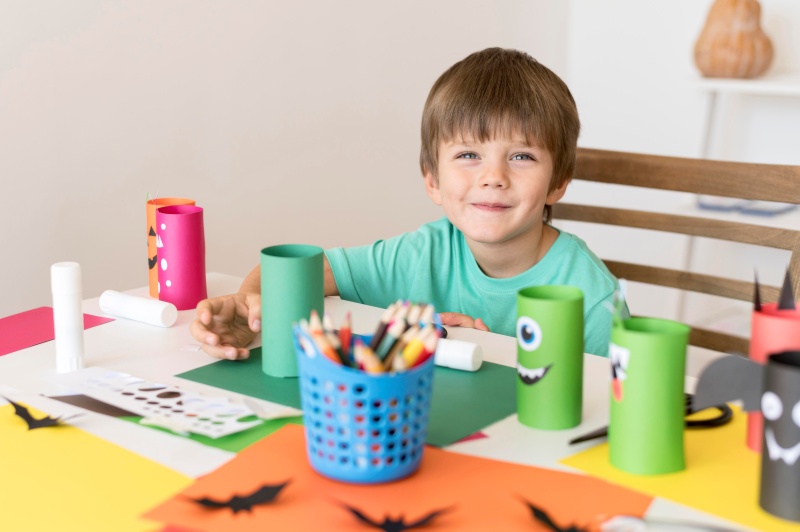
Arts and crafts are some of the best things for kids to do when bored because they turn simple materials into meaningful projects. These activities support fine motor development, focus, patience, and imagination. They also work well for different ages because they can be kept simple for younger children or made more detailed for older kids.
Crafts are also useful on rainy days, after school, during quiet time, and when families want low-cost fun at home. For parents searching for Things to Craft When Bored, paper, markers, glue, tape, cardboard, beads, stickers, and paint can create hours of screen-free play.
1. Origami Creations: Fold paper into fun shapes like animals, flowers, or simple paper toys.
2. Make Your Own Playdough: Mix homemade playdough and shape it into food, animals, or mini sculptures.
3. Decorate Picture Frames: Use stickers, paint, buttons, or beads to brighten plain frames.
4. Paint Rocks: Collect smooth rocks and cover them with patterns, faces, or cheerful messages.
5. Create a Scrapbook: Arrange photos, drawings, and small keepsakes into a personal memory book.
6. Design Greeting Cards: Make handmade cards for birthdays, holidays, or thank-you notes.
7. Build a Collage: Cut out pictures from magazines and glue them into a creative design.
8. Make Puppets: Turn socks or paper bags into puppets for a home puppet show.
9. Finger Painting Fun: Use bright paint to make colorful pictures and abstract art.
10. DIY Jewelry: String beads, pasta, or charms to make bracelets and necklaces.
11. Draw a Comic Book: Create characters, speech bubbles, and a short funny story.
12. Make Paper Masks: Cut and decorate masks for animals, superheroes, or made-up characters.
13. Design Homemade Stickers: Draw small pictures on paper and turn them into custom stickers.
14. Build Cardboard Art Sculptures: Use small boxes and tape to create towers, robots, or abstract shapes.
15. Create a Vision Board: Cut out colors, words, and pictures that show favorite dreams and goals.
Run Science Experiments That Make Learning Fun
 Science activities keep kids engaged because they combine action, surprise, and discovery. They help children ask questions, test ideas, and observe results. That makes them excellent boredom busters for curious minds who enjoy hands-on learning.
Many science experiments can be done with ordinary household supplies, which makes them practical for home use. They also support early STEM skills such as prediction, observation, sequencing, and cause and effect.
16. Volcano Eruption: Mix baking soda and vinegar to create a fizzy eruption.
17. DIY Lava Lamp: Use oil, water, and food coloring to make moving bubbles in a bottle.
18. Invisible Ink Messages: Write hidden notes with lemon juice and reveal them with gentle heat.
19. Grow Crystals: Dissolve salt or sugar in water and watch crystals form over time.
20. Balloon Rocket: Attach a balloon to a string and release it to see it zoom forward.
21. Homemade Slime: Combine simple ingredients to make stretchy, squishy slime.
22. Static Electricity Test: Rub a balloon on hair and use it to pick up paper pieces.
23. Sink or Float Challenge: Test household items to see which ones float and which ones sink.
24. Mini Water Filter: Layer sand, gravel, and cloth to build a simple filter model.
25. Simple Circuit Project: Use a battery and a small bulb to show how electricity works.
Head Outside for Fresh Air and Outdoor Adventures
 Outdoor play helps children reset quickly. It gives them more space to move, explore, and release energy. It also adds variety to the day, which is especially helpful when kids feel stuck indoors for too long.
Outdoor boredom ideas do not need fancy equipment. A backyard, sidewalk, park, or open area can become the setting for games, scavenger hunts, nature exploration, and active challenges that support gross motor play and sensory development.
26. Nature Scavenger Hunt: Search for leaves, flowers, rocks, or other outdoor treasures.
27. Build a Backyard Fort: Use branches, blankets, or outdoor chairs to make a fort.
28. Bug Safari: Look for ants, butterflies, beetles, or other insects in the yard.
29. Plant a Garden: Grow flowers, herbs, or easy vegetables in pots or garden beds.
30. Bird Watching: Spot birds outside and try to identify their colors and sounds.
31. Outdoor Obstacle Course: Set up cones, ropes, or simple objects for running and jumping.
32. Fly a Kite: Take a kite outside on a breezy day and watch it lift into the sky.
33. Picnic in the Park: Pack snacks and enjoy eating outdoors together.
34. Stargazing: Look at the night sky and try to spot stars and constellations.
35. Sidewalk Chalk Art: Draw roads, shapes, games, or colorful pictures on pavement.
36. Relay Races: Set up simple races with running, hopping, or balancing challenges.
37. Tag Games: Play classic tag or make up a new version with special rules.
38. Jump Rope Challenges: Count jumps, try tricks, or create a jumping contest.
39. Leaf and Rock Collecting: Gather natural items and sort them by color, size, or shape.
40. Mud Kitchen Play: Use old bowls and spoons to make pretend mud recipes outside.
Use Indoor Games and Puzzles for Rainy Days
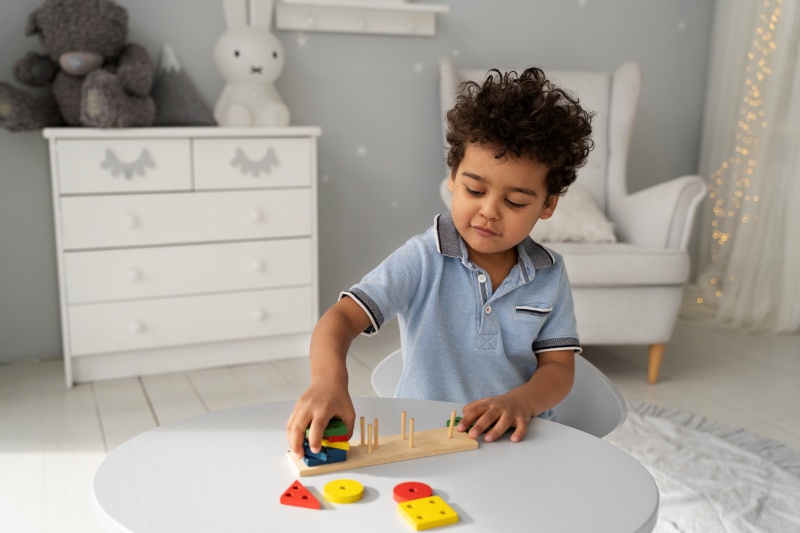 Indoor games are essential when the weather is bad, the day feels long, or children need something fun that does not require going anywhere. These activities help with focus, listening, memory, turn-taking, and family interaction.
A good mix of games and puzzles also works well for siblings because structured play often reduces conflict. Some ideas are active enough to burn energy indoors, while others are calm enough for quiet afternoons. Many of these also work as Things to Do When Bored at Home because they need little space and very little prep.
41. Board Game Marathon: Pick a favorite board game and play several rounds with family.
42. Puzzle Challenge: Work on a jigsaw puzzle and finish it together or alone.
43. Card Games: Play simple games like Uno, Go Fish, or Crazy Eights.
44. Charades: Act out animals, jobs, or movie scenes without speaking.
45. Indoor Bowling: Use plastic bottles as pins and roll a soft ball toward them.
46. Simon Says: Follow directions carefully and see who can last the longest.
47. Memory Match: Flip cards and try to find matching pairs.
48. Hide and Seek: Hide indoors and take turns finding each other.
49. Domino Chain Reaction: Line up dominos and knock them down in a long row.
50. Indoor Treasure Hunt: Hide clues and small prizes around the house for a fun hunt.
Move into the Kitchen with Cooking and Baking Fun
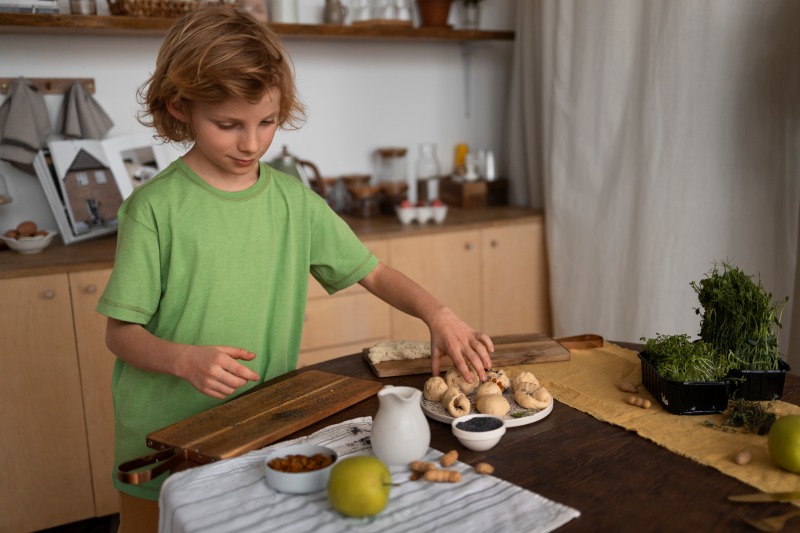 Cooking and baking are practical, educational, and enjoyable. Kids learn how to follow directions, measure ingredients, mix, pour, and create food they can share with others. These activities also support independence and confidence because children can see a clear result from their effort.
Kitchen activities work well for family bonding and are especially useful during weekends, holidays, and rainy afternoons. Simple recipes usually hold attention because they involve action at every step.
51. Bake Cookies: Mix dough, shape cookies, and enjoy decorating them after baking.
52. Make Homemade Pizza: Add sauce, cheese, and favorite toppings to personal pizzas.
53. Prepare Fruit Salad: Chop and mix colorful fruit into a sweet snack.
54. Blend Smoothies: Combine fruit, yogurt, and juice for a simple drink.
55. Decorate Cupcakes: Use frosting and sprinkles to create fun cupcake designs.
56. Make Creative Sandwiches: Turn sandwiches into shapes, faces, or colorful layers.
57. Bake Simple Bread: Help mix and knead dough for an easy loaf or rolls.
58. Create a Snack Platter: Arrange crackers, fruit, cheese, and other small foods neatly.
59. Try No-Bake Desserts: Make treats that come together without using the oven.
60. Make Homemade Ice Cream: Mix simple ingredients and freeze them into a cool dessert.
Add Educational Activities That Feel Like Play
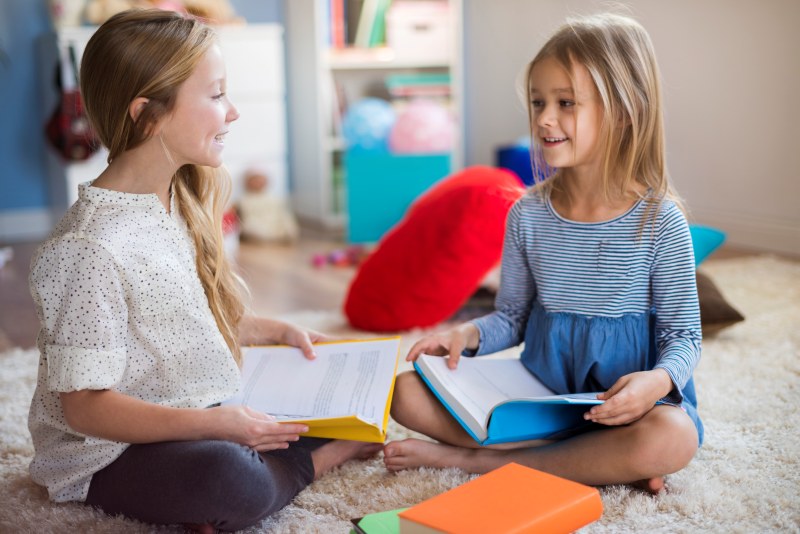 Educational boredom activities work best when they feel fun instead of forced. Reading, writing, puzzles, language games, and learning challenges can all become playful when the child feels curious and involved. These ideas support school skills while still keeping free time enjoyable.
This section is useful for parents who want a stronger balance between entertainment and development. It is also helpful during school breaks when children need light learning opportunities without formal lessons. Some of these ideas even help students who look for Things to Do When Bored in Class, such as quiet reading, word games, or simple writing prompts when allowed.
61. Read a New Book: Pick a storybook, chapter book, or picture book and start reading.
62. Math Puzzle Time: Solve number puzzles, riddles, or counting games.
63. Write a Short Story: Create a story with characters, a problem, and an ending.
64. Learn a New Language: Practice simple words and greetings from another language.
65. Spelling Game Challenge: Turn spelling words into a fun game or contest.
66. Mini Science Project: Pick one simple question and test it with a quick experiment.
67. Learn an Instrument: Practice a few notes or songs on a musical instrument.
68. Educational Video Time: Watch a useful video about animals, space, history, or science.
69. Explore Space Topics: Read about planets, stars, rockets, and astronauts.
70. Visit a Virtual Museum: Take an online tour of a museum and explore new exhibits.
Encourage Imaginative Play and Pretend Worlds
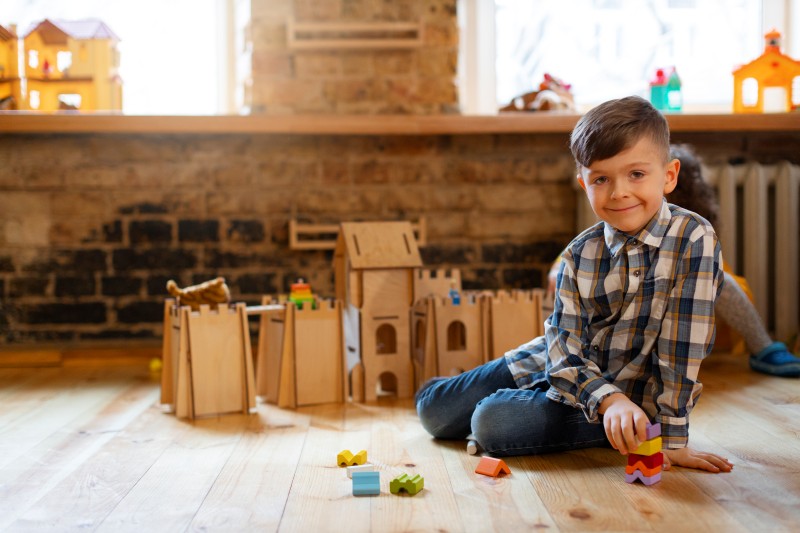 Imaginative play gives children a chance to invent stories, solve pretend problems, and explore different roles. This kind of activity supports emotional expression, communication, creativity, and independent play. It is especially strong for younger children, but older kids can also enjoy it when the challenge feels creative enough.
Pretend play often lasts longer when children have open-ended prompts instead of strict instructions. A cardboard box, some fabric, a few props, and an interesting idea can lead to an entire afternoon of fun.
71. Dress-Up Day: Wear costumes or old clothes and become a new character.
72. Create a Fantasy World: Build a pretend world with toys, blocks, or blankets.
73. Storytelling with Props: Use random household items to act out a story.
74. Role-Playing Games: Pretend to be a chef, doctor, teacher, or explorer.
75. Puppet Show Performance: Create a short puppet show with voices and a simple plot.
76. Build a Cardboard Castle: Turn boxes into a castle, spaceship, or secret hideout.
77. Invent a New Game: Make up rules and create a brand-new game to play.
78. Create a Secret Code: Design symbols or letter swaps to make hidden messages.
79. Pretend Shop or Café: Set up a play shop or café with menus and pretend money.
80. Design a Superhero Character: Invent a hero name, costume, powers, and mission.
Bring People Together with Social and Group Activities
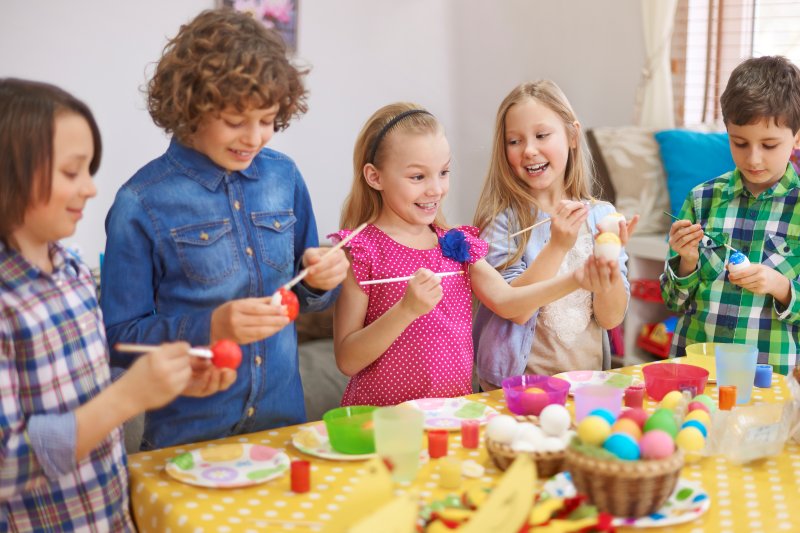 Some kids are not truly bored. They just want connection. Social and group activities help children interact, communicate, cooperate, and share attention with others. These ideas are great for siblings, playdates, classrooms, and family weekends.
Group play is also useful because it teaches teamwork and flexibility. Activities that give each child a role tend to work especially well and can turn an ordinary afternoon into a memorable family experience. They also fit well with Things to Do With Friends When Bored because kids can laugh, cooperate, and stay active together.
81. Host a Talent Show: Let everyone perform a song, dance, joke, or magic trick.
82. Plan a Movie Night: Pick a film, make snacks, and create a cozy setup.
83. Write a Group Story: Take turns adding lines to a funny or exciting story.
84. Play Cooperative Games: Choose games where players work together toward one goal.
85. Organize a Book Swap: Trade books with friends or siblings and try something new.
86. Create Group Art: Make one large poster, mural, or collage together.
87. Family Challenge Game: Set up simple challenges and see who completes them best.
88. Plan a Mini Event at Home: Create a theme night, party, or home show.
89. Share and Teach a Skill: Show a sibling or friend how to draw, fold paper, or play a game.
90. Team Scavenger Hunt: Split into teams and race to find items or solve clues.
Explore Cultural and Artistic Activities from Around the World
 Cultural exploration helps children see that fun can come from music, food, art, stories, traditions, and creative expression from many places. These activities widen perspective while keeping play meaningful and engaging.
This type of activity is especially valuable for homeschool routines, themed learning days, and families who want boredom busters that feel fresh and memorable. It also combines creativity with awareness in a natural way.
91. Cook Food from Another Country: Make a simple dish inspired by another culture.
92. Listen to World Music: Explore songs and instruments from different countries.
93. Learn a Cultural Dance: Watch and practice a dance style from another place.
94. Create Cultural Art Projects: Make art inspired by patterns, symbols, or traditions.
95. Read Folk Stories: Enjoy folktales and myths from around the world.
96. Design Your Own Country Flag: Create a flag with colors and symbols you choose.
97. Learn Foreign Phrases: Practice easy greetings and common words in another language.
98. Explore Traditional Clothing Styles: Look at clothing from different cultures and draw favorites.
99. Watch Cultural Documentaries: View short documentaries about places, people, or traditions.
100. Create a Global Travel Journal: Pretend to travel and record countries, foods, and sights.
How Things for Kids to Do When Bored Help Children Grow?
When kids use these things to do when bored, they do more than fill spare time. They use creativity, movement, learning, and play to build useful everyday skills. The right activities can help children grow at home, at school, and in social settings.
Here’s how these activities help children in real and practical ways:
- Supports creative thinking: Arts and crafts, pretend play, and storytelling help kids use their imagination and come up with fresh ideas.
- Strengthens problem-solving: Puzzles, science experiments, building activities, and games help kids think clearly and work through challenges.
- Builds independence: Solo play, quiet-time activities, and self-guided projects teach kids how to start something and stay busy on their own.
- Improves social interaction: Group games, family activities, and shared projects help kids practice communication, cooperation, and turn-taking.
- Encourages physical activity: Outdoor games, obstacle courses, dance breaks, and movement-based play help kids stay active and use their energy well.
- Develops patience and flexibility: Trying new activities teaches kids how to keep going, adjust their approach, and handle frustration in a healthy way.
- Increases self-confidence: Finishing a project, learning a skill, or solving a challenge helps kids feel proud of what they can do.
- Makes learning feel natural: Reading, educational games, STEM activities, and creative tasks help kids enjoy learning in a simple and engaging way.
Choose Activities by Age for Better Results
Every child is different. What excites a 5-year-old may not interest a 10-year-old, so match activities to age and preferences.
For younger kids, focus on hands-on, sensory activities that feel simple yet stimulating, like painting, building with blocks, and playful Things to do at a Sleepover ideas.
Older kids often enjoy complex projects like science experiments, cooking, learning new skills, coding, or a musical instrument. Adapt choices to interests, developmental stage, and personality to keep them engaged.
Build a Simple Boredom Plan That Works Every Day
A list helps, but a simple system works even better. Instead of finding a new idea every time a child feels bored, families can make activity choices easier with a routine.
A boredom jar is a simple option. Write ideas on slips of paper and sort them into groups like active, quiet, creative, educational, outdoor, or even Things to Do When Bored Online.
Activity baskets also work well. One can hold crafts, another puzzles, and another building toys or quiet-time items. This setup helps kids become more independent and reduces pressure on parents.
Avoid Common Mistakes When Kids Say They Are Bored
One common mistake is solving boredom instantly every time. While it is helpful to guide children, constant entertainment can make them rely too much on adults for the next idea. It is often better to offer a few choices and let the child decide.
Another mistake is repeating the same activity. If it is always a screen, craft, or worksheet, boredom may continue because the child needs something else. Variety matters. Some days need movement, creativity, connection, or quiet. Adults can use the same idea when planning Things to Do When Bored at Work with simple breaks, small tasks, or quick resets.
It is also important to remember that not every activity needs to last a long time. Even 10 or 15 minutes of the right activity can reset a child’s mood and lead to better play afterward.
Final Thoughts
Kids do not need constant entertainment to thrive. They need a strong mix of creative play, active fun, educational challenges, social interaction, and quiet-time options that match their age and energy. That is why this list of 100 things for kids to do when bored is more than a collection of ideas. It is a practical tool for turning empty moments into meaningful play.
From arts and crafts to science experiments, from outdoor adventures to indoor games, from cooking to imaginative play, these activities give children new ways to explore, create, move, and grow. When families keep a balanced set of boredom busters ready, kids become more confident, more independent, and more capable of making their own fun.
Frequently Asked Questions
What are the easiest things for kids to do when bored at home?
Easy options include drawing, reading, puzzles, scavenger hunts, card games, coloring, and simple crafts using household supplies.
What can kids do when bored without screens?
Kids can try arts and crafts, obstacle courses, pretend play, baking, board games, science experiments, journaling, and outdoor adventures.
What are the best indoor activities for rainy days?
Strong rainy day choices include indoor treasure hunts, charades, baking, jigsaw puzzles, board games, domino chains, and paper crafts.
What can older kids or tweens do when bored?
Older kids often enjoy journaling, baking, card games, DIY projects, science challenges, comic drawing, room makeover ideas, and creative hobbies.
Is boredom good for children?
Yes. In healthy amounts, boredom can support imagination, problem-solving, self-direction, and independent play when children are given helpful options.
How can parents stop hearing “I’m bored” all day?
A boredom jar, activity baskets, toy rotation bins, and a balanced mix of active, creative, educational, and quiet-time ideas can make a big difference.
