


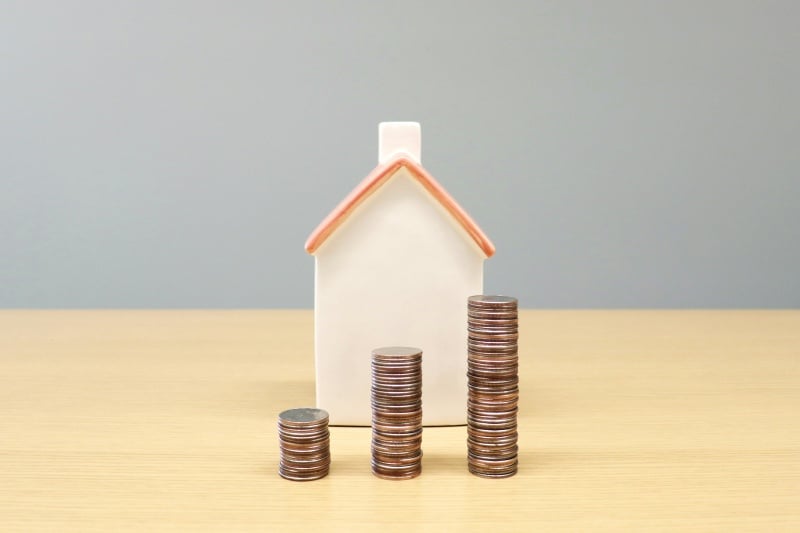
andWhat goes on between putting a “For Sale” sign in the yard and getting the keys?
Most people picture three simple steps. List the house. Take an offer. Move out.
Life is messier than that. The average home sale involves closer to a dozen ball bearings, and each one has the potential to add time, add money, or kill the deal.
Here is what the process actually looks like from day one to closing day.
The Real Price Tag Of Selling A House
Before any of the stages, there’s the cost.
Listing with an agent continues to be the default choice for nearly everyone. Actually, 91% of sellers used an agent in their last transaction and only 5% represented themselves. They don’t do it for free. The combined commission will typically range from 5% to 6% of the sales price, which gets divided between the listing agent’s side and the buyer’s agent’s side.
That’s like $15,000 to $18,000 down on a $300,000 house. Before repairs, closing costs and moving money are also sucked from your stash.
That’s exactly why homeowners become desperate to find a commission-free way to sell. Selling directly to an investor — such as the cash home buying process in Fort Worth — eliminates agent fees because there is no one on either side that collects a percentage of the sale. No fees. Period. You don’t pay a listing commission. You don’t pay a buyer’s agent commission. The price you settle on is nearly the exact same amount that will be deposited into your account.
The end result of both methods is a sold house. The thing is they look incredibly different when you lay out each step individually.
Stage 1: Getting The House Ready To Sell
This is the stage nobody warns you about.
Before ANY picture is taken, the house has to be tidy. Which normally means:
- Decluttering and deep cleaning every room
- Fixing the obvious stuff (leaky taps, cracked tiles, dead bulbs)
- Touching up paint and tidying the yard
- Staging the main living spaces
- Professional photos for the listing
The part that hurts: is that most of it comes out of pocket, months before any money comes in. Sellers often spend a few thousand dollars just to make a house “market ready.”
Plan on spending two to four weeks in this phase. More if your house requires actual repairs, since contractors work on their own timeline.
Stage 2: Listing, Showings And Waiting
Once the listing goes live, the house belongs to everyone else for a while.
Buyers schedule showings. Agents throw open houses. Random people stroll through bedrooms and fling open closet doors. Every single showing means cleaning/topping off in a hurry.
How long does this process take? On average across the country, houses are spending about 50 days on the market until an offer is accepted. This number has been inching up as more homes have hit the market.
Some houses go into contract in one week. Others linger for three months before getting a price drop.
And here’s what most sellers forget… The mortgage, insurance, taxes and utilities don’t stop while you’re selling. A slow sale is a costly sale.
Stage 3: The Offer And The Negotiation
An offer arrives. Time to celebrate, right?
Almost. An offer is not the conclusion of a negotiation, it is the start.
Buyers seldom come in at list price and walk away delighted. They want help with closing costs. They want the appliances, and They include contingencies that allow them to back out if the inspection, appraisal or financing doesn’t pan out.
What’s happening if those contingencies don’t come through matters more than what’s at the top of the page. A bit less with fewer contingencies is probably the better bet.
When both parties sign, the house is considered “under contract” . . . even though it sounds more final than it is.
Stage 4: Inspection And Appraisal (Where Deals Die)
This is the danger zone.
Buyer sends inspector to the house to find problems. Roof, foundation, plumbing, electric, hvac. Inspectors get paid to tell you things are wrong so they will find things that are wrong.
Then the back and forth begins anew. The buyer makes requests. Either repairs or credit. The seller balks. Sometimes it all unravels.
How frequently? You’d be surprised. As of late 2025, 16.3% of signed contracts were canceled. That’s over 40,000 deals a month falling through!
After that is the appraisal. The lender wants someone to go check that the house is worth what the buyer is paying for it. If the appraisal is low, the buyer’s loan amount gets smaller. Now someone has to make up the difference.
If you fail inspection or get a low appraisal, your house is relegated back to Stage 2. Where it sits back on the market with, “price reduced” stigma attached to it.
Stage 5: Underwriting And The Waiting Game
Assuming the deal survives, the buyer’s lender takes over.
Underwriting is when the bank verifies everything. Income. Credit. Debts. Bank statements. Employment. And they verify it once more prior to closing.
The length of this stage can vary from 30 to 45 days. The seller has very little control over this step. If the buyer changes jobs, opens a new credit card or deposits a large amount of cash this late in the process it can stall or derail the loan approval at the eleventh hour.
In the meantime, the title company is doing its due diligence. Liens, back taxes, boundary issues, old mortgages that weren’t properly released. Any one of these can delay closing by weeks.
Stage 6: Closing Day
Closing is the easy part.
The two parties sign piles of documents, lender wires money, title transferred. Normally takes 1 hour at title office.
Then the money gets split up. Coming out of the sale price:
- Agent commissions (5% to 6%)
- Remaining mortgage balance
- Seller closing costs and title fees
- Prorated property taxes
- Any repair credits agreed during negotiation
Whatever remains is profit for the seller. For most consumers, that bottom line is substantially less than the sticker price.
Putting It All Together
The average length of time from preparing your home to sell to closing is two to four months if everything goes as planned.
To recap the full journey:
- Prep the house and spend money upfront
- List it and live through the showings
- Negotiate the offer and the contingencies
- Survive the inspection and appraisal
- Wait out underwriting and title checks
- Sign at closing and see what’s left
None of that stuff is unrealistic. There are lots of sellers who take it all the way through and do well.
Just so you know what you’re getting into before you put that sign in the yard. The traditional route sacrifices time, money and control for the potential of a higher sale price. A direct sale avoids realtor commissions by sacrificing a bit of that top line price for speed and certainty.
It depends. Neither answer is correct by default. Which answer is correct depends on whether you care more about time or money at the moment.
