


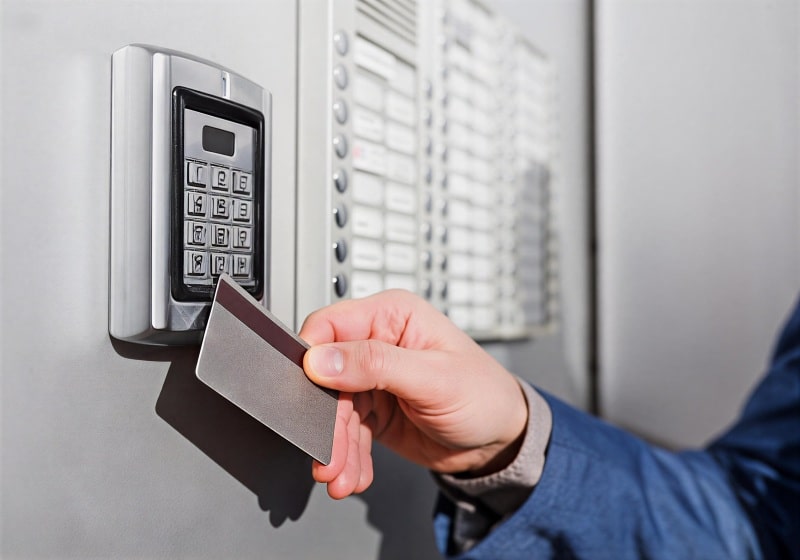
In an era where smart technology has become an integral part of our daily lives, smart doors and access control systems have become a popular choice when it comes to securing homes and businesses. Because it may need to be connected online for remote management, there’s always a question of whether it’s vulnerable to hacking. But is it really hackable?
Digital Locks Aren’t That Easy to Hack
During its infancy, digital tool locks may be vulnerable to hackers, but they’re going to need expensive technology to successfully do so.
- Continued innovation has since strengthened the digital door lock firmware. They’re now equipped with additional safeguards, such as AES encryption and two-factor authentication.
- It’s even more expensive now to hack access controls than before.
- Modern technology is also equipped with real-time alerts, where you receive push notifications the instant anyone tries to hack the system.
They’re More Secure Than Traditional Locks
It’s a common misconception that traditional locks are less susceptible to modern threats. But they don’t protect you either against lock picking, bumping, and other physical methods of breaking in.
Digital locks, on the other hand, come with advanced features that offer better security. There are also best practices to prevent unauthorised access to your home. These include using a strong and unique access code, regularly changing the code, and limiting the number of people who know the code.
They Still Work During A Power Outage
While some technologies used in smart homes rely on electricity, digital door locks don’t.
- These access controls are designed to operate autonomously, with batteries built into them instead of being plugged into the electrical system.
- When a battery runs out, digital door locks can serve as a traditional door lock. Depending on the design, you may be provided with a key or other manual ways to lock and unlock the door until you can replace the battery.
- You will receive a notification when the battery runs low, giving you enough time to replace it before it completely dies out.
They Come with Multiple Access Methods
Even if you forget your phone, you can still lock and unlock a digital door lock using other alternate methods.
- Even without a smartphone, you can still access the door through biometrics, typing in your password, or RFID.
- If your phone is lost or stolen, you can install the associated app from another device and then disable access from your old phone.
- When integrated into your home’s sensors, the system will automatically release the lock during emergencies. When a fire breaks out inside your home, for example, you don’t need to disengage the lock and turn the knob just to open the door like you would a traditional lock.
They’re Easy to Install and Operate
You choose to install metal pivot doors to add style and strength to your home, but they’re less effective without the right security system. You might be hesitant to install access control because you think it’s complicated to install and use. Far from it.
- New technologies are designed to be user-friendly, and digital door locks are no different. Sure, you’ll need to remember passwords and codes, but they’re not always complex.
- Digital door locks come in various shapes, sizes, and levels of setup, ensuring there’s a suitable system for everyone.
- You will be provided with extensive tutorials after installation, and customer support is always available to help when needed.
Still worried about a digital lock’s vulnerability?
- Enable your smart lock’s two-factor authentication for an extra layer of security.
- Make sure your network is secure if your digital lock is connected to your Wi-Fi. Use a strong password and update it regularly.
- Don’t share your app’s login information indiscriminately. Use the lock’s temporary access feature if you need to provide a guest with temporary access to your home.
Now that you know that a digital door lock isn’t as vulnerable as you think, have one installed in your home. Let Protec Security Systems provide you with a robust security system.
