


Embarking on the journey to install an elevator in your home is an exciting step toward lifelong independence and luxury. However, with so many brands and technologies on the market, the process can feel overwhelming. Choosing the best small Home elevators requires a strategic look at your current needs, your home’s architecture, and your future lifestyle goals. This guide is designed to help you navigate those choices with clarity.
Step 1: Define Your Primary Need
Before looking at brochures, ask yourself: Why am I doing this?
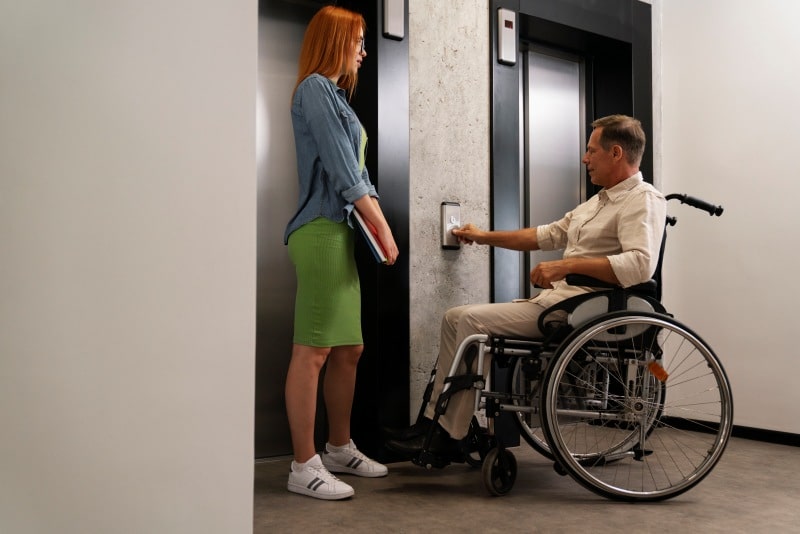
- Mobility/Accessibility: If the goal is to accommodate a wheelchair, you need to look at small residential elevators with a specific cabin width (usually at least 32 inches) and a “through-floor” design that eliminates thresholds.
- Luxury/Convenience: If you simply want to stop carrying laundry up the stairs or add value to your home, you might prioritize aesthetic options like glass walls or high-speed traction systems.
Step 2: Understand the Drive Systems
The “drive system” is the engine that makes the elevator move. In 2025, there are four main types used in small residential elevators:
- Pneumatic (Vacuum): The most space-efficient. It uses air pressure to pull the cab up. No pit or machine room is required.
- Screw-Driven: Extremely reliable and quiet. These travel along a giant screw-like pole. They are great for tight spaces but move slightly slower.
- Traction (Cable): The most “traditional” feel. Modern versions are now “Machine Room-Less” (MRL), meaning the motor sits at the top of the shaft.
- Hydraulic: Known for the smoothest ride. However, these usually require a small area for a hydraulic tank and pump.
Step 3: Assessing Your Home’s “Fit”
Not every elevator fits every house. You need to consult with a professional to see if your floor joists can be cut for a “through-floor” lift or if you have a stacked closet space that can be converted. If you have zero internal space, you might even consider “exterior” small residential elevators that are attached to the outside of the home in a weatherproof glass enclosure.
Step 4: Test Drive the Models
If possible, visit a showroom. You wouldn’t buy a car without sitting in it, and you shouldn’t buy an elevator without feeling the ride. Pay attention to the noise level, the smoothness of the start and stop, and the ease of opening the doors.
Conclusion
Selecting from the variety of small residential elevators is about finding the intersection of form and function. By focusing on the drive system that suits your space and the safety features that protect your family, you can turn your home into a truly accessible sanctuary.
Frequently Asked Questions
What is the average cost of small residential elevators in 2025?
A fully installed system typically ranges from $25,000 to $55,000. This includes the unit, shipping, and professional installation. Custom luxury finishes can push the price higher.
Do I need to hire a separate contractor for the construction?
Often, yes. While the elevator company installs the lift, you may need a local contractor to cut the hole in the floor and handle the electrical wiring. Some companies offer “turnkey” solutions that include everything.
How do I choose between a shaft and a shaftless model?
Shaftless small residential elevators are better for saving space and for two-story homes. If you have three or more floors, a traditional shaft is usually safer and more efficient.
What safety features should I look for?
At a minimum, ensure your lift has a battery backup (for power outages), an emergency phone or intercom, an emergency stop button, and “slack-rope” sensors that stop the cab if something is in the way.
How long is the warranty usually?
Most reputable brands offer a 2-to-5-year warranty on parts and a 1-year warranty on labor. Always ask about extended service plans.
