


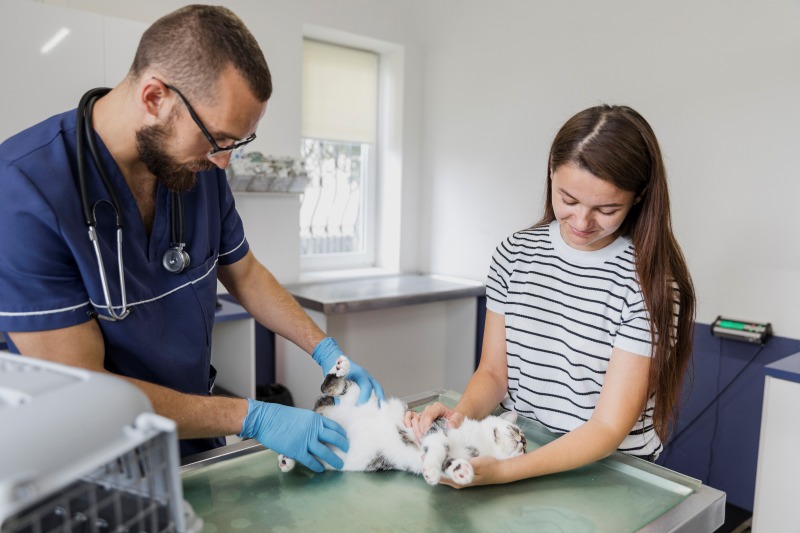
Sudden Illnesses Requiring an Emergency Vet Orillia
Sometimes, our pets can go from feeling perfectly fine to seriously unwell in a matter of hours. These sudden illnesses are often what prompt owners to seek immediate care from an emergency vet in Orillia. At Pinegrove Veterinary Hospital, we see a range of these acute conditions that can’t wait for a regular appointment.
Gastrointestinal Upset and Blockages
This is a really common reason pets end up at the emergency vet. It can range from simple vomiting and diarrhea to something much more serious like a foreign body obstruction. If your pet eats something they shouldn’t – like a toy, a piece of clothing, or even just a large amount of rich food – it can cause a blockage in their stomach or intestines. Signs to watch for include:
- Repeated vomiting, especially after eating or drinking
- Lethargy and weakness
- Abdominal pain (your pet might seem restless or reluctant to be touched)
- Lack of appetite or refusal to drink
- Diarrhea, which can sometimes be bloody
A persistent inability to keep food or water down is a major red flag. These situations can quickly become life-threatening if the blockage isn’t addressed surgically.
Blockages are serious business. They can cut off blood supply to parts of the gut, leading to tissue death and severe infection if not treated promptly. Time is really of the essence here.
Respiratory Distress
When a pet has trouble breathing, it’s always an emergency. This can be caused by a variety of things, from allergic reactions and asthma to pneumonia or even heart failure. You might notice:
- Rapid or shallow breathing
- Coughing or wheezing
- Gums that appear blue or very pale
- Open-mouth breathing in cats or dogs that don’t normally do it
- Reluctance to move or exercise
Any sign of breathing difficulty needs immediate attention from an emergency vet in Orillia. We can provide oxygen therapy and diagnostics to figure out what’s going on and start treatment right away.
Seizures and Neurological Issues
Seizures can be incredibly frightening to witness. They can be caused by epilepsy, toxins, brain tumors, infections, or head trauma. If your pet has a seizure, try to stay calm and time it. Look out for:
- Uncontrolled shaking or twitching
- Loss of consciousness
- Drooling or foaming at the mouth
- Loss of bladder or bowel control
- Sudden behavioral changes or disorientation after the event
Even a single seizure warrants a visit to an emergency vet. If seizures happen repeatedly or last for more than a few minutes, it’s a critical situation that requires immediate intervention to prevent brain damage. Other neurological signs like sudden weakness, paralysis, or circling also need prompt evaluation.
Traumatic Injuries and Accidents
Sometimes, our pets get into situations they shouldn’t, and accidents happen. When your furry friend suffers a traumatic injury, getting them to an emergency vet in Orillia quickly is super important. At Pinegrove Veterinary Hospital, we see a lot of pets who’ve had unfortunate accidents, and we’re here to help stabilize them and figure out the best course of action.
Hit By Car Incidents
This is one of the scariest things that can happen to a pet. Even if they seem okay at first, internal injuries can be serious. We’ll do a thorough check-up, looking for:
- Signs of shock
- Internal bleeding
- Broken bones
- Organ damage
Prompt veterinary attention is absolutely critical for pets hit by cars. We focus on stabilizing your pet, managing pain, and addressing any immediate life-threatening issues.
Being hit by a car can cause a wide range of injuries, from minor scrapes to severe internal damage. It’s always best to assume the worst and get professional help right away, even if your pet is walking around.
Bite Wounds and Lacerations
Whether it’s a scuffle with another animal or an accident around the house, deep cuts or puncture wounds need immediate care. These can easily get infected, which is why a visit to an emergency vet Orillia facility like ours is a good idea.
- Cleaning and disinfecting the wound
- Assessing the depth and damage
- Administering antibiotics if needed
- Suturing or bandaging the injury
Falls and Fractures
Pets, especially cats and smaller dogs, can get injured from falls. A jump that goes wrong or a tumble down the stairs can lead to broken bones. Signs might include limping, yelping, or an inability to put weight on a limb. We can diagnose fractures with X-rays and discuss treatment options to get your pet back on their feet.
Toxic Exposures and Poisoning
Pets are curious creatures, and sometimes their curiosity can lead them into dangerous situations involving things they shouldn’t eat or come into contact with. If you suspect your pet has ingested something toxic or had a bad reaction, getting them to an emergency vet in Orillia right away is key. At Pinegrove Veterinary Hospital, we see a range of poisoning cases, and prompt treatment can make all the difference.
Ingestion of Household Toxins
Many common household items can be poisonous to pets. It’s easy for a dog to chew on a dropped pill or a cat to lick up spilled cleaning fluid. Some of the more common culprits include:
- Antifreeze (even a small lick is deadly)
- Certain houseplants like lilies (especially for cats) or oleander
- Human medications (pain relievers, antidepressants, etc.)
- Pesticides and rodenticides
- Chocolate and xylitol (an artificial sweetener found in gum and some sugar-free products)
The signs of poisoning can vary widely depending on what was ingested and how much. You might see vomiting, diarrhea, lethargy, tremors, difficulty breathing, or even seizures. If you know what your pet ate, bring the packaging or a sample with you to the emergency vet.
It’s always a good idea to keep a list of potentially toxic items in your home and store them safely out of reach. Pet-proofing your home isn’t just for puppies and kittens; older pets can still get into trouble.
Reactions to Insect or Snake Bites
While not as common in Orillia as in some other regions, insect stings and snake bites can still pose a serious threat. Bees, wasps, and certain spiders can cause painful reactions, and in rare cases, anaphylactic shock. If your pet is stung or bitten, watch for swelling, pain, difficulty breathing, or collapse. If you see a snake and suspect a bite, try to get a description or photo if it’s safe to do so, as this can help the vet determine the best course of action.
Adverse Drug Reactions
Just like humans, pets can have unexpected and sometimes severe reactions to medications. This can happen with prescription drugs, over-the-counter remedies, or even supplements. Signs can include vomiting, diarrhea, skin rashes, lethargy, or more serious systemic issues. Never give your pet human medication without explicit veterinary instruction. If you think your pet is having a bad reaction to a medication, contact your regular vet or an emergency vet in Orillia immediately.
Urgent Reproductive Health Concerns
Reproductive health issues can arise suddenly and require immediate attention from an emergency vet in Orillia. At Pinegrove Veterinary Hospital, we understand the stress these situations can cause. Prompt veterinary care is vital for the well-being of your pet during these critical times.
Difficult Births (Dystocia)
Birthing complications, known as dystocia, can be life-threatening for both the mother and her puppies or kittens. Signs to watch for include prolonged straining without producing a fetus, extreme lethargy, or foul-smelling discharge.
- Excessive time spent in labor (more than 30 minutes of active straining).
- A visible fetus stuck in the birth canal.
- The mother showing signs of severe pain or distress.
If you suspect a difficult birth, contact an emergency vet orillia immediately.
Dystocia can be caused by various factors, including the mother’s health, the size or position of the fetuses, or uterine inertia (when the uterus stops contracting effectively). Early intervention can make a significant difference.
Pyometra in Female Dogs and Cats
Pyometra is a serious uterine infection that can occur in unspayed female pets. It happens when bacteria enter the uterus, often after a heat cycle. The uterus fills with pus, and if left untreated, it can rupture, leading to a life-threatening condition called sepsis.
Symptoms often include:
- Increased thirst and urination.
- Lethargy and loss of appetite.
- Vaginal discharge (though not always present).
This is a true emergency, and immediate veterinary care is necessary.
Mammary Gland Infections
Infections of the mammary glands, also known as mastitis, can occur, especially in nursing mothers. This can cause pain, swelling, and redness in the affected glands. If the infection is severe or spreads, it can lead to systemic illness.
Look out for:
- Hard, painful, and swollen mammary glands.
- Fever or general malaise in the mother.
- Changes in the milk’s appearance or consistency.
Contacting an emergency vet orillia is important if you notice these signs to prevent further complications.
Eye Emergencies at an Emergency Vet Orillia
Eyes are delicate, and problems can pop up fast. If your pet is showing signs of eye trouble, it’s time to call your local emergency vet in Orillia. At Pinegrove Veterinary Hospital, we see a lot of eye issues that need immediate attention. Sometimes it’s hard to tell if it’s serious, but it’s always better to be safe than sorry when it comes to your pet’s vision.
Sudden Vision Loss
This is a really scary one for pet owners. One minute your dog or cat can see fine, and the next, they seem disoriented or bump into things. Causes can range from detached retinas, often seen in older pets or those with high blood pressure, to sudden blindness due to neurological problems. Sometimes, it’s a sign of a more serious underlying condition that needs quick diagnosis and treatment. Don’t wait if you suspect your pet can’t see well.
Corneal Ulcers and Scratches
These happen more often than you might think. A scratch from a cat’s claw, a poke from a branch, or even rubbing their eye too much can cause damage to the cornea, the clear front part of the eye. Symptoms include:
- Squinting or holding the eye shut
- Redness around the eye
- Excessive tearing or discharge
- Rubbing the eye with a paw
These can be painful and can quickly get infected if not treated properly by an emergency vet Orillia. We use special dyes to see the damage and prescribe the right medication to help it heal.
Acute Glaucoma
Glaucoma is a condition where the pressure inside the eye gets too high. This is a painful condition that can lead to permanent vision loss very quickly if not managed. Signs to watch for include:
- A cloudy or bluish appearance to the eye
- A visibly enlarged eyeball
- Squinting and pawing at the eye
- Lethargy or reluctance to move
This is a true emergency. The sooner we can lower that eye pressure at Pinegrove Veterinary Hospital, the better the chances of saving your pet’s sight.
It’s easy to overlook subtle changes in your pet’s eyes, especially if they’re acting normally otherwise. But even a slight cloudiness or a bit more squinting than usual warrants a check-up, particularly if it came on suddenly.
Urinary Tract Emergencies
Urinary tract issues can escalate quickly and are often quite painful for pets. If you notice any of these signs, it’s time to head to an emergency vet in Orillia, like Pinegrove Veterinary Hospital.
Urinary Blockages in Male Cats
This is a life-threatening emergency. Male cats, especially, can get blocked, meaning they can’t pass urine. This can happen due to crystals, inflammation, or other blockages in the urethra. Signs include:
- Frequent, unproductive trips to the litter box
- Crying or vocalizing while in the litter box
- Licking the genital area excessively
- Lethargy and hiding
A blocked cat can die within 24-48 hours if not treated. The buildup of toxins is incredibly dangerous.
This condition causes a rapid buildup of waste products in the bloodstream, which can lead to kidney failure and electrolyte imbalances. It’s a serious situation that requires immediate veterinary intervention.
Severe Urinary Tract Infections
While UTIs can sometimes be managed at home, severe infections can cause significant pain, fever, and even spread to the kidneys. You might see:
- Straining to urinate
- Pain when the belly is touched
- Increased thirst and urination (or decreased, if very sick)
- Accidents outside the litter box
Blood in Urine
Seeing blood in your pet’s urine, whether it’s a little or a lot, is never normal. It can indicate a range of problems, from simple bladder irritation to more serious issues like stones, infections, or even tumors. It’s always best to get this checked out right away by an emergency vet Orillia can rely on.
Don’t Wait When Your Pet Needs Help
So, we’ve talked about some of the scary stuff that can happen to our furry friends. It’s a lot to take in, I know. But the main thing to remember is that if your pet is acting strange or seems to be in pain, don’t just hope it gets better on its own. Emergency vets in Orillia are there for a reason. They’ve seen it all, from nasty cuts to sudden breathing problems. Getting your pet to them quickly can make a huge difference. Keep their number handy, and try not to panic if the worst happens. Knowing where to go and what to expect can help you act fast when your pet needs you most.
