


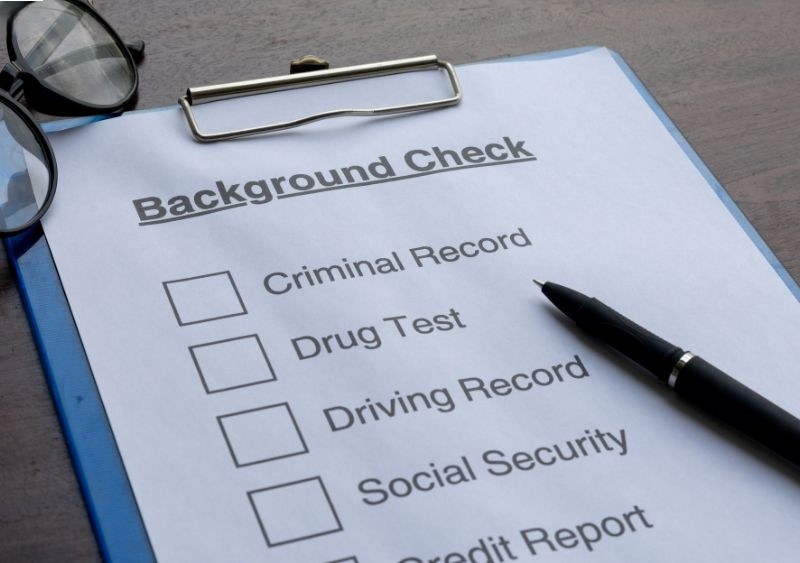
Background checks continue to be a staple of the modern workforce. It doesn’t matter if you plan on applying for an entry-level position at your local grocery store or if you’re moving up the corporate ladder; it’s important to understand the background check process. What’s more, it helps to know what states allow you to go through the background check process without having pending charges considered.
So, what states prohibit pending charges on a background check? In this article, we take you through everything you need to know.
What Is a Background Check?
A background check is a process that employers use to verify someone’s identity. Typically, background checks will involve verifying someone’s identity, checking for criminal records, and discovering education/work experience.
Many employers also review background check employment history to confirm that a candidate’s past roles, dates of employment, and qualifications are accurately represented.
Depending on the depth of the background check, some may test for drug use, and others may look at financial records and driving records.
States That Prohibit Pending Charges on a Background Check
Several states prohibit pending charges on a background check. We take you through a brief description of each state below:
1. California
When it comes to protections for job applicants, California is always among the best. The Fair Chance Act and other labor laws make it easier for people who have criminal records to find a job, even if their charges are pending. When it comes to pending charges, these are handled by the state’s Ban the Box laws. The law ensures that applicants aren’t impacted until a conviction is made.
2. New York
Another state that helps people find work, even with a criminal record, New York doesn’t force people to disclose information about crimes until they’re found guilty. In other words, it doesn’t matter what the charges are, because they can’t be found guilty until they’re convicted.
3. Nevada
In Nevada, there are state laws that prohibit the use of pending charges during the background check process. Employers in the state can’t ask people about pending charges unless there is a conviction. Once a conviction is reached, however, this is off the table.
4. Massachusetts
When it comes to using criminal records during the background check process, Massachusetts is a state that takes the process seriously. Massachusetts has a Criminal Offender Record Information reform law that allows applicants to limit the information available during background checks. In fact, this extends to pending charges, which aren’t usually shown to employers unless a conviction is reached.
5. Illinois
The Human Rights Act in Illinois is what provides protection for applicants who have pending charges on their criminal record. This applies to all types of employment, and pending charges don’t have to be disclosed unless a conviction is reached.
6. Oregon
Oregon is another state with Ban the Box laws, you’ll find that pending charges are not viewable by jobs until a conviction is reached. Even if employers also find records of pending charges, they can’t be used against someone without a conviction. However, if an offer of employment is made, employers may be able to use some information.
7. Colorado
Colorado has a handful of laws that protect people during the background check process. While information about someone’s pending charges may not be hidden from employers, you’ll find that Colorado limits the action that an employer can take against you if your charges are pending.
8. Minnesota
When it comes to pending charges, Minnesota has laws in place that prevent them from causing problems for you. While an employer may be able to see that you have charges pending, like Colorado, they usually can’t be used against you. This also applies to arrest records that don’t lead to convictions.
How to Prepare for a Background Check?
It doesn’t matter if you have ten outstanding charges or if you think your record is clean, there’s nothing wrong with being prepared for the background check process. In fact, we highly encourage it. We recommend preparing for the background check process by checking your public records.
This will let you know if you have any pending charges that can harm your chances of being hired. If there are any issues with your records, checking and having them addressed beforehand can improve your chances of being hired, and even speed up the process.
When it’s time to check your public records, we always recommend using a reliable background check tool, like Information.com. The platform has a handful of public records search tools that will help you learn more about your personal records. Plus, you can find social media accounts, sex offender records, and much more.
What States Prohibit Pending Charges on a Background Check? Our Final Thoughts
So, what states prohibit pending charges on background checks? At the end of the day, eight states limit what employers can use against you when it comes to pending criminal charges. That said, once there is a conviction, all bets are off, and the state that you’re in doesn’t matter as much.
