


Being bored at home does not always mean wasting time. A quiet stay-in day can become fun and useful with simple activities that bring productivity, joy, and a sense of accomplishment. Whether it is a rainy afternoon, blazing heat, or peaceful solo time, home can still feel active, calm, and worthwhile.
Instead of scrolling all day, use staying in to recharge through creative projects, self-care, or quality time with family, kids, or friends virtually. These ideas work well indoors, feel comforting, and are often nearly free, so you do not need to spend money. Even a cozy day alone can feel special, creative, relaxed, and genuinely rewarding.
A Full List of Things to Do When Bored at Home
Your own home is full of ideas and simple activities just waiting to make free time feel more useful. This list is ready to spark creativity, help you learn something new, keep you active, and give you real Things to Do When Bored as you pass the day at home and get started in a better way.
Social Things to Do
 Social activities can make time at home feel more lively by bringing conversation, laughter, and connection into the day. Even if you are not in the same room as other people, there are still plenty of simple ways to enjoy quality time with friends and family.
- Start virtual catchups: Video calls can make a slow afternoon feel more social and less repetitive.
- Try board games: Classic board games can bring fun, strategy, and friendly competition into the room.
- Play group video games: Multiplayer games can create teamwork, entertainment, and shared excitement.
- Start a virtual book club: Reading the same book and talking about it later adds discussion and community.
- Plan trivia nights: Trivia can turn an ordinary evening into a more playful and engaging event.
- Watch a movie marathon: Watching a full series or themed set of films can create shared enjoyment.
- Start online dance parties: A good playlist can change the energy of the whole night.
- Share art projects: Shared creative work can bring fun and connection, even from a distance.
- Plan virtual dinners: Cooking the same meal and eating together can make home feel warmer.
- Join online challenges: Fun challenges can add humor, creativity, and a little novelty.
These social ideas work well because they reduce the feeling of isolation and bring a stronger sense of community into home life. A short call, a shared game, or a simple group activity can make boredom feel lighter and help home feel more connected and enjoyable. The same kind of ideas also work well as Things to Do With Friends When Bored when everyone wants something easy and fun.
Indoor Physical Activities
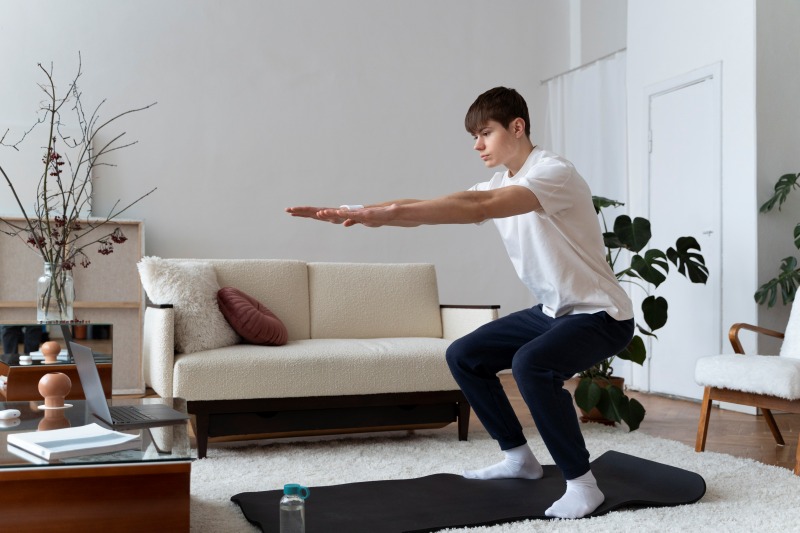 Physical activities can bring movement, energy, and better mood into a slow day at home. When boredom feels restless or heavy, simple indoor movement can help the body feel more active, support fitness, and make the day feel less stuck in the same routine.
- Try home workouts: A short workout can turn boredom into movement and accomplishment.
- Do yoga or Pilates: Yoga and Pilates support mindfulness, flexibility, and steady body control.
- Dance through the house: Dancing can lift energy and make the room feel more alive.
- Make indoor obstacle courses: A simple obstacle course can add fun and cardio indoors.
- Do jump rope: Jump rope is a quick way to bring movement and rhythm into downtime.
- Try stretching routines: Stretching can ease tension and improve how the body feels.
- Make chores a workout: Cleaning can also work as physical activity when done with more pace.
- Do hula hooping: Hula hooping adds playful movement and light exercise.
- Try martial arts: Simple drills can bring focus, coordination, and challenge into the day.
- Use stairs for cardio: Using stairs can support fitness without needing extra equipment.
Movement can do more than pass time because it often improves energy, supports sleep, and reduces frustration. Even a short session of stretching, cardio, or dance can break routine, improve physical well-being, and make boredom feel easier to manage in a healthier way.
Easy Entertainment Ideas
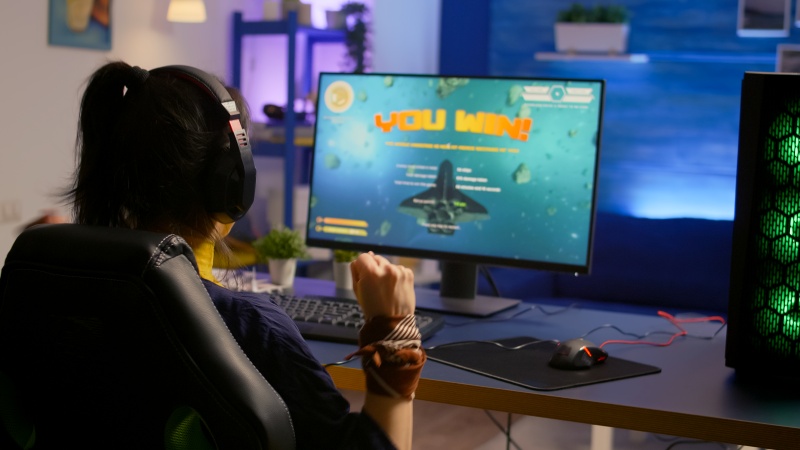 Entertainment activities can help a quiet day feel easier by bringing fun, storytelling, humor, and a break from routine. When you want something simple and enjoyable, music, shows, games, and familiar favorites can quickly change the mood of your home.
- Watch favorite shows: A favorite series can bring comfort and easy entertainment.
- Try new podcasts: Podcasts can add storytelling, comedy, or interesting discussion to downtime.
- Try video games: Video games can bring challenge, focus, and fast-moving fun.
- Start a board game marathon: Longer game sessions can turn a plain evening into shared enjoyment.
- Make new playlists: A new playlist can shape the mood of the room.
- Try karaoke sessions: Karaoke can add humor, confidence, and music to the night.
- Stream comedy specials: Comedy can quickly lift mood and make the day feel lighter.
- Play virtual reality games: Virtual reality can bring novelty and a different kind of entertainment.
- Make a blanket fort: A blanket fort can add nostalgia and a cozy kind of fun.
- Try murder mystery games: Mystery games mix suspense, puzzles, and discussion.
These entertainment ideas work well because they do not need much effort to get started. A good movie, funny podcast, playlist, or game can make home feel more enjoyable, bring more joy into downtime, and help a slow evening feel less dull and more memorable. Some of these also overlap with Things to Do When Bored Online when you want digital entertainment that still feels engaging.
Productive Things to Do at Home
 Productive activities can make boredom feel more useful by turning extra time into progress, order, and a stronger sense of control. A quiet day at home can be a good chance to finish small tasks, improve your space, or handle things that often get delayed.
- Sort out your closets: Closet organizing can clear clutter and make daily life feel easier.
- Deep clean your space: A focused cleaning session can bring visible results and freshness.
- Clear out your space: Decluttering can make the room feel lighter and more organized.
- Review your budget: Budgeting can support finances, stability, and peace of mind.
- Write down goals: Writing goals can connect downtime with motivation and personal growth.
- Map out meals: Meal planning can support healthy eating and better routine.
- Try home improvement projects: Small DIY tasks can bring visible progress into the home.
- Make a vision board: A vision board can bring goals, dreams, and creativity together.
- Sort your photos: Sorting photos can create order and bring back good memories.
- Try new software: Software skills can make time at home feel more productive and practical.
These productive ideas often feel satisfying because they leave something behind after boredom passes. A cleaner room, a better plan, or a finished task can improve your day in a practical way and make home feel calmer, more organized, and easier to enjoy. Some people also look for Things to Do When Bored at Work when they want productive ways to use extra time.
Relaxing Things to Do
 Relaxing activities can help when boredom feels more like stress, tiredness, or mental overload than a real need for excitement. Slowing down at home can support recharge, calm the mind, and make the day feel softer, quieter, and more comfortable.
- Try meditation: Meditation can support inner peace, clarity, and stress relief.
- Spend time reading: Reading can create calm focus and a quiet escape from routine.
- Have a warm bath: A warm bath can ease tension and help you unwind.
- Play soothing music: Soft music can make the room feel calmer and more peaceful.
- Use aromatherapy: Essential oils can bring a comforting and relaxing atmosphere into the home.
- Sip a warm drink: Tea, coffee, or hot chocolate can make downtime feel warmer.
- Have a short nap: A nap can help when low energy and boredom show up together.
- Try breathing exercises: Deep breathing can reduce frustration and help you feel grounded.
- Play nature videos: Nature scenes can bring calm sights and sounds into the day.
- Try simple crafting: Knitting, coloring books, and simple crafts can support relaxation.
These relaxing activities work well because they create a slower rhythm without making the day feel empty. A quiet routine, comforting drink, or peaceful hobby can support mental well-being, reduce tension, and make home feel more restful when life starts feeling too busy or repetitive.
Creative Ways to Spend Time
 Creative activities can make boredom feel more meaningful by giving your ideas, emotions, and imagination a place to go. Time at home can feel more personal and rewarding when it includes making something, exploring a hobby, or trying a creative outlet.
- Try some painting: Painting can turn a quiet hour into color, focus, and creativity.
- Start drawing: Drawing, doodling, and sketches can help with imagination and attention.
- Create short stories: Stories can turn simple ideas into something memorable.
- Try DIY crafts: DIY projects can add fun and hands-on creativity to the day.
- Start journaling: Journaling can hold thoughts, dreams, and self-reflection.
- Try home photography: Lighting and angles can make home feel new again.
- Start learning origami: Origami can bring calm concentration and simple creative challenges.
- Try knitting or crocheting: Knitting or crocheting can build skills while creating something useful.
- Create a collage: Magazines and photos can become a personal creative project.
- Start upcycling: Upcycling old clothes or furniture can turn ordinary items into something new.
Creative projects often help because they bring both enjoyment and accomplishment into the same moment. Even a small idea can reveal hidden talents, support innovative thinking, and make home feel more inspiring, especially when the routine starts feeling too familiar or mentally flat. Craft-based hobbies also fit naturally for people searching for Things to Craft When Bored without making the activity feel forced.
Learn Something New
 Learning activities can give boredom a more useful direction by turning free time into knowledge, skills, and curiosity. Home can become a place for personal growth when extra time is used to read, practice, explore, or understand something new.
- Read more books: Books can bring new ideas, stories, and perspective into the day.
- Study a new language: Language learning can add useful phrases and new skills.
- Take online courses: Online courses can bring history, coding, and other topics into home life.
- Try puzzles and brain teasers: Brain games can improve focus and problem-solving.
- Stream documentaries: Documentaries combine knowledge and entertainment in a simple way.
- Play a musical instrument: Guitar, piano, or another instrument can build skill and discipline.
- Try chess or strategy games: Strategy games can sharpen thinking and planning.
- Cook new recipes: Cooking can build confidence and creativity in the kitchen.
- Try magic tricks: Magic tricks can add surprise and a playful learning challenge.
- Begin gardening: Gardening can bring patience, care, and a calmer routine.
Learning activities often feel rewarding because they leave you with something lasting after the moment passes. A new skill, idea, or bit of knowledge can make downtime feel more worthwhile and turn boredom into personal growth instead of just another empty part of the day. Online lessons and digital practice can also work well as Things to Do When Bored on the Computer when you want your screen time to feel more useful.
How Things to Do When Bored at Home Helps?
Having different activities to turn to when boredom shows up at home does more than help pass time. A good mix of fun, creative, relaxing, social, and productive activities can improve how the day feels and support both mental and emotional well-being. Here’s how staying engaged can help:
- Builds creativity and problem-solving: Creative projects, puzzles, writing, music, and DIY activities can challenge the mind and support new ideas. Trying different hobbies can also reveal hidden interests, talents, and better ways to think through everyday problems.
- Supports productivity and personal growth: Productive tasks can turn extra downtime into something useful and rewarding. Finishing a task, building a skill, or working toward a goal can create accomplishment, motivation, and a stronger sense of personal progress.
- Eases stress and supports mental health: Boredom can sometimes lead to frustration, low mood, or mental fatigue. Relaxing and enjoyable activities such as reading, gardening, stretching, or listening to music can help shift attention and support a calmer mindset.
- Improves routine and time management: Having different options for home activities can help structure the day better. A more balanced routine often improves organization, supports time management, and makes everyday life feel more stable and under control.
- Supports social interaction and connection: Some home activities create space for connection with friends and family. Virtual hangouts, online games, video calls, and shared watch sessions can help maintain community and reduce the feeling of isolation during quiet time.
- Boosts physical health and well-being: Physical activities such as home workouts, yoga, dance, stretching, or active chores can support health, energy, and sleep. Adding movement to the day can improve both physical well-being and overall mood.
These benefits show that boredom does not always have to lead to frustration or wasted time. The right activities can bring joy, accomplishment, relaxation, and focus into the day, while also making home feel more active, comforting, and emotionally supportive in simple everyday ways.
The Science Behind Boredom
Boredom is not always just a dull or annoying feeling. In many cases, it can point to a need for change, movement, creativity, or a break from routine. Looking at boredom this way can help make more sense of what feels missing in the moment and why certain activities feel more appealing than others.
- See boredom as a signal: Boredom often shows up when the mind wants something different from the usual routine. It can reflect a need for challenge, rest, novelty, or a better use of time.
- Use boredom for creativity: Quiet, unstructured time can give the brain more room to wander. That mental space can support imagination, brainstorming, and creative stimulation in a way that busier moments often do not.
- Turn boredom into self-reflection: Bored moments can also reveal interests, goals, and preferences more clearly. They can create space to think about what feels meaningful, what feels repetitive, and what kind of change would feel refreshing.
Understanding boredom can make it feel less negative and more manageable. Instead of seeing it as a nuisance alone, it can be viewed as a clue about mood, energy, and routine, which often leads to better choices about how to use your time.
Turn Everyday Tasks Into Fun at Home
Everyday tasks do not always have to feel dull, repetitive, or disconnected from enjoyment. Simple chores and routines can feel lighter when they carry a little more creativity, comfort, or focus, and that shift can make ordinary home time feel more rewarding and less draining.
A simple way to make daily tasks feel better is to add something personal to them. Music, podcasts, fresh recipes, better lighting, or even a favorite drink nearby can change the mood of cleaning, cooking, or tidying and make those tasks feel less repetitive. Similar ideas can help with Things to Do When Bored in Class when the goal is to stay engaged without making the moment feel heavier.
Routine jobs can also feel more engaging when they carry a small sense of challenge or reward. A timer, a visible goal, or the satisfaction of a cleaner and more organized space can make ordinary tasks feel more fulfilling and easier to enjoy.
Mindfulness Tips to Handle Boredom
Mindfulness can help when boredom feels heavy, frustrating, or mentally draining. Paying closer attention to the present moment can create a calmer experience and make simple activities feel more grounding. That often helps reduce restlessness and brings more clarity into a slow or repetitive day.
- Try deep breathing: Deep breathing can calm tension, reduce frustration, and bring a more grounded feeling into the moment. It is a simple way to slow down when boredom starts to feel heavy or restless.
- Do mindful activities: Mindfulness can be brought into ordinary activities such as eating, walking, stretching, or organizing. Paying closer attention to sensations, sights, and sounds can make simple moments feel more present and less flat.
- Try meditation for clarity: A few quiet minutes of meditation can help clear mental clutter and improve perspective. It can make boredom feel less overwhelming and create more space for calm, focus, and enjoyment.
Mindfulness does not remove boredom completely, but it can change the way it feels. A little more attention to breathing, movement, and awareness can make home life feel calmer, steadier, and easier to manage, especially during quiet hours that might otherwise feel heavy or aimless.
Final Thoughts
Time at home can hold more value than it first seems. Boredom can lead to fun, productivity, creativity, learning, or relaxation depending on the activity that fills the moment and the mood that shapes it. For families, playful options can also overlap with Things For Kids to Do When Bored when children need simple ways to stay busy.
Each moment spent on something enjoyable or useful adds value to the day. Reading, home workouts, gardening, cooking, music, puzzles, meditation, yoga, organizing, journaling, online courses, baking, painting, and new hobbies can make home feel less repetitive and more rewarding. The same applies to Things to do at a Sleepover, where simple activities help keep the night fun without too much planning.
