


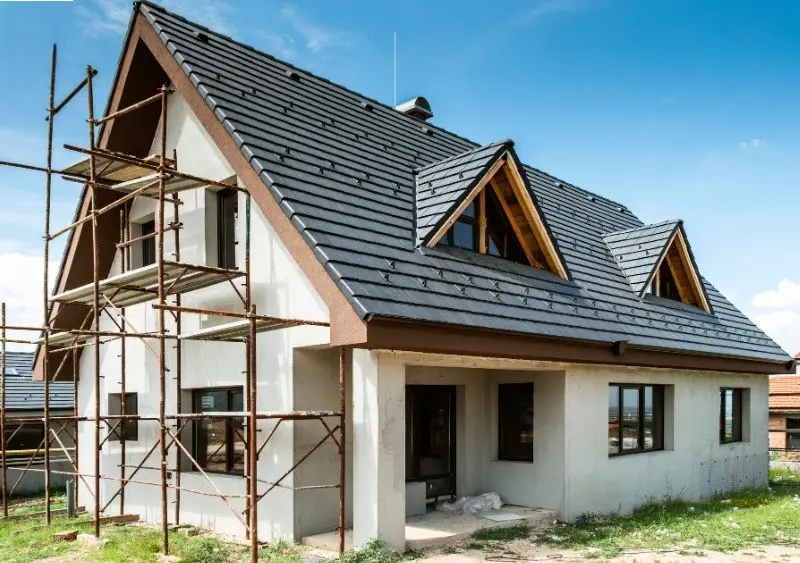
Every home carries a quiet story embedded in its walls, foundation, and structure. Unlike the obvious milestones of human life, a home’s timeline unfolds silently, revealing its age and condition through subtle shifts, wear, and eventual need for repair or replacement. Understanding this hidden timeline is essential for homeowners who wish to preserve not only the comfort and beauty of their dwelling but also its long-term value. From the first nail driven into the frame to the final brick weathering with time, every part of a house has a lifespan.
In places like Portland, Oregon, where homes face a mix of damp weather and seasonal changes, this timeline can be especially revealing. Awareness of this gradual journey helps in planning repairs, avoiding sudden expenses, and ensuring a home remains safe, efficient, and welcoming across generations.
The Roof: The First Shield of Protection
Among the many elements of a house, the roof plays the role of the first shield. It guards against wind, rain, snow, and the blazing sun. Over the years, even the strongest materials succumb to the weight of weather and time.
Depending on the type of roofing material, lifespans vary—some asphalt shingles may last 15 to 20 years, while metal and tile options can stretch to 50 years or more. However, climate and exposure determine much of this durability. For instance, roof replacement in Portland, is often discussed because the area is prone to frequent rain and damp conditions that accelerate shingle wear and create vulnerabilities to moss and mold.
Such realities demonstrate how the hidden timeline of a roof is shaped not only by materials and craftsmanship but also by the unique challenges of its environment.
As years progress, roofs provide early signals of their decline. Curling shingles, persistent leaks, or granules filling the gutters are warnings that the end of a roof’s lifespan is near.
Foundations and the Story Below
Beneath every home lies the foundation, a silent cornerstone that holds the entire structure. Concrete, stone, or block foundations are built to endure decades, but they, too, follow a hidden timeline. Small cracks, uneven settling, or moisture seeping in may seem harmless at first, but can signal deeper issues.
A strong foundation often lasts over a century, but constant exposure to water or soil movement can shorten its durability. Just as the roof shields from above, the foundation safeguards from below, anchoring the home in place and ensuring its structural balance.
Unlike visible wear in other components, foundation issues progress slowly and often unnoticed. Regular inspection, drainage management, and sealing prevent early decay.
Plumbing and the Veins of the House
The plumbing system operates like the veins of a human body, circulating water throughout the home. Pipes, joints, and fixtures come with varying lifespans depending on the materials used. Galvanized steel pipes may last 40 to 50 years, while copper and PVC often endure much longer. However, minerals in water, temperature changes, and even installation methods influence longevity. Over decades, corrosion, leaks, and blockages can arise, signaling the need for replacement.
Plumbing’s hidden timeline often reveals itself during sudden inconveniences—slow drains, discolored water, or drops in pressure. But a keen eye and preventive replacements keep the system functioning.
Electrical Wiring: The Pulse Within
If plumbing is the veins, electrical wiring is the pulse, delivering power to every corner of the house. While wiring can last up to 70 years, insulation and safety standards evolve. Old knob-and-tube wiring, once common, has long surpassed its timeline and poses hazards in modern households. Even copper wiring, reliable as it is, eventually degrades as insulation cracks and connections loosen.
Technology’s rapid growth also accelerates this timeline. A system designed decades ago may not handle today’s demands for computers, appliances, and smart systems. Hidden behind walls, electrical wiring quietly carries the rhythm of daily life, and its silent aging requires proactive upgrades to protect both the home and its inhabitants.
Windows and Doors: The Eyes and Portals
Windows and doors, though often overlooked, carry lifespans influenced by both materials and weather exposure. Wooden frames, susceptible to rot, may need replacement after 20 to 30 years, while vinyl and fiberglass can extend further. Glass panes with outdated seals lose insulation capacity, letting drafts slip through. Doors may warp, hinges weaken, and locks become unreliable over decades.
Beyond structural function, windows and doors contribute to efficiency and security. Their hidden timeline often becomes evident when energy bills rise or comfort declines.
Flooring and the Surfaces Beneath Our Feet
The lifespan of flooring depends greatly on materials and use. Hardwood, when maintained, may last a century, bearing refinishes and polishing through multiple generations. Carpeting, however, often fades and wears out in just 8 to 10 years, absorbing the imprint of daily life. Tile and stone provide resilience, surviving 50 years or longer with proper care, while laminate or vinyl options may need replacement within two decades.
A floor tells the most intimate story of a home, recording footsteps, gatherings, and daily activities. Its hidden timeline reflects the rhythm of life within the walls, and its eventual renewal refreshes both the look and feel of the space.
Appliances and Mechanical Systems
A home’s appliances and mechanical systems, though replaceable, are crucial milestones in the hidden timeline. Furnaces and boilers typically last 15 to 25 years, while air conditioning units hover around 10 to 15 years. Refrigerators, ovens, and washing machines often serve faithfully for about a decade. Each carries its own ticking clock, where regular maintenance can stretch the lifespan, but eventual breakdown remains inevitable.
These systems often dictate comfort and convenience more than aesthetics. When they reach the end of their cycle, the disruption is immediate, making awareness of their expected lifespan essential for planning.
Paint, Siding, and Exterior Expression
The outer skin of a home—paint and siding—faces constant exposure to sun, wind, and rain. For homeowners planning outdoor upgrades or replacements, working with professional deck installers Stonecrest GA ensures both durability and design harmony with the rest of the home’s structure. Paint may require refreshing every 7 to 10 years, while siding materials vary widely: vinyl may last 20 to 40 years, wood about 20, and fiber cement 50 or more. Beyond their protective role, these materials shape the home’s identity, adding personality to its presence.
Neglecting these surfaces not only shortens their timeline but also affects the entire structure. Moisture infiltration, pest damage, and declining curb appeal all stem from overlooking the life cycle of a home’s outer expression.
The Subtle Role of Insulation
Insulation often hides in attics, walls, and crawlspaces, silently preserving comfort. Fiberglass can last up to a century if undisturbed, while cellulose and foam varieties have shorter lifespans, around 20 to 30 years. Over time, settling, moisture, or pest intrusion reduces efficiency, revealing the aging of this hidden layer.
A home’s hidden timeline is a quiet but inevitable journey. Each element, from the roof above to the foundation below, carries its lifespan shaped by material, environment, and maintenance. Recognizing these timelines allows homeowners to plan wisely, extending durability and protecting value.
