


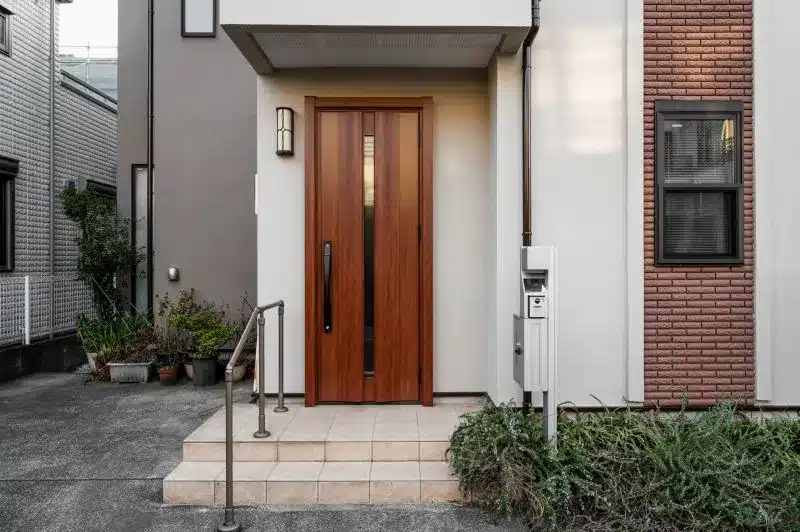
Doors are often referred to as the “gateway” to your home, serving both functional and aesthetic purposes. However, choosing the right front door style requires more than just selecting a design you like. One crucial factor that is frequently overlooked but has a massive impact is size. Here’s why door sizing matters and how to get it just right.
1. It Influences Curb Appeal
The size of your front door significantly affects the overall look of your home. A door that is too small can make the exterior feel unbalanced, while an oversized door might overwhelm the facade.
Practical Tips:
- Take Proportions into Account: Align your door’s size with the overall dimensions of your home’s front elevation. Tall homes may benefit from double doors or transom windows, while compact homes work best with standard-sized doors.
- Consider Symmetry: If your home’s design leans on symmetry, ensure the door doesn’t disrupt its balance.
2. A Proper Fit Enhances Energy Efficiency
A door that’s improperly sized or poorly installed can lead to drafts, affecting your home’s energy efficiency. Air gaps around an ill-fitting door can drive up energy bills and compromise indoor comfort.
Practical Tips:
- Invest in Professional Measuring: Have your entryway professionally measured to ensure the door fits perfectly.
- Add Weather Stripping: Even with a properly-sized door, weather stripping seals can add an extra layer of insulation.
For Utah homeowners upgrading entry doors, it may also be a good opportunity to explore window replacement in Salt Lake City, ensuring your entire facade works harmoniously to conserve energy.
3. Functionality Depends on the Right Size
The wrong door size can create functional frustrations. A door that’s too small might feel restrictive, while one that’s oversized could be cumbersome to operate.
Practical Tips:
- Match the Door to Traffic Flow: If your entryway sees a lot of activity (think strollers, wheelchairs, or large furniture), consider a wider or double door for easier access.
- Test Before Buying: Visit a showroom to test different door styles for ease of use and maneuverability.
4. It Affects Interior Space
Your front door doesn’t just impact the exterior; it influences the flow and design of your interior entryway. Oversized doors can encroach on interior space, while undersized ones may feel out of place.
Practical Tips:
- Mind the Swing: Ensure there’s enough room for the door to open fully without hitting walls or furniture.
- Complement the Foyer Design: A well-proportioned door should enhance—not overpower—the design of your entryway.
5. Customization May Be Necessary
Standard door sizes don’t always work for every home. If your entryway dimensions are unique, a custom door might be the best option.
Practical Tips:
- Explore Custom Doors: Many manufacturers offer custom-sized doors to suit specific needs.
- Coordinate with Other Elements: If you’re customizing the door size, consider how it will work with sidelights, transoms, or nearby windows.
Size isn’t just a technical detail when it comes to front door selection; it’s a crucial factor that can make or break both functionality and aesthetics. By carefully considering size, you’ll not only ensure a proper fit but also enhance your home’s curb appeal, energy efficiency, and overall usability.
Read more: Decoradhouse Upgrade Tips by Decoratoradvice
