


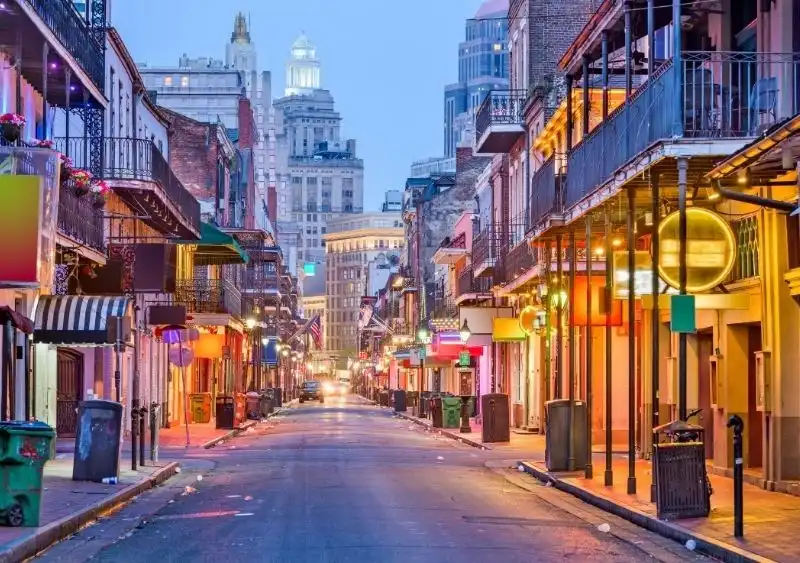
New Orleans offers distinct neighborhoods that cater to different interests, from music and nightlife to history and culture. The best areas to stay in 2025 include the French Quarter for its historic charm, Downtown for shopping and dining, and Treme for cultural depth. Each district has its own rhythm, making it important to choose a location that matches the purpose of the visit.
Those who want to be close to iconic jazz clubs and centuries-old architecture may gravitate toward the French Quarter. Travelers seeking modern hotels, easy transportation, and a variety of restaurants often prefer Downtown. For a more local and cultural experience, Treme provides museums, live music venues, and historic landmarks within walking distance. By understanding what each neighborhood offers, visitors can make the most of their time in the city. The right choice can shape the trip, whether the goal is nightlife, history, or a balance of both.
Key Takeaways:
- Identifies the top areas to stay in New Orleans in 2025
- Highlights each area’s unique attractions and atmosphere
- Helps match accommodations to personal travel goals
Best Areas to Stay in New Orleans in 2025
Visitors can choose from historic districts with nightlife at their doorstep to quieter neighborhoods with strong local character. Each area offers distinct attractions, walkability, and access to public transport, making it easier to match a stay to personal preferences.
French Quarter: Heart of the Action
The French Quarter remains the most recognizable part of New Orleans. Its streets feature 18th- and 19th-century architecture, wrought-iron balconies, and a mix of restaurants, bars, and boutique shops. Bourbon Street is the nightlife hub, while Royal Street offers art galleries and antique stores.
Lodging options range from upscale hotels with courtyards to smaller inns with fewer amenities. Many visitors value the ability to walk to Jackson Square, the French Market, and the Mississippi Riverfront. Noise levels can be high, especially near Bourbon Street. Those seeking quieter nights often book rooms facing interior courtyards or stay closer to Esplanade Avenue. The location is ideal for travelers who want immediate access to dining, music, and historic landmarks without relying on a car.
Central Business District: Modern Comforts and Convenience
The Central Business District (CBD) offers a more contemporary setting than the French Quarter while remaining within walking distance of it. Streets are wider, hotels are larger, and amenities often include pools, fitness centers, and conference facilities. Hotel Perle on St. Charles Ave (New Orleans) stands out for its spacious rooms, streetcar access, and higher-end services. In contrast, some nearby budget hotels provide fewer perks, such as limited dining options or smaller room sizes.
The CBD is well-connected by the St. Charles streetcar line, making it easy to reach the Garden District and Uptown New Orleans. Lafayette Square and the Warehouse District’s museums are nearby, and the Superdome is within walking distance for sports and events.
Marigny and Bywater: Artsy and Local Vibes
Marigny and Bywater sit just downriver from the French Quarter. These neighborhoods are known for colorful Creole cottages, street murals, and a strong local arts scene. Frenchmen Street in Marigny is a major live music destination, offering jazz clubs and late-night cafés.
Accommodations here include small guesthouses, renovated doubles, and vacation rentals. Many lack the on-site amenities of larger hotels but compensate with character and a residential atmosphere. Bywater’s Crescent Park provides river views and walking paths. Local restaurants and bars favor regional ingredients and casual service. These areas suit travelers who want a slower pace while staying close to cultural venues and neighborhood markets.
Top Attractions, Dining, and Accommodation Highlights
New Orleans offers a concentrated mix of historic architecture, cultural landmarks, and live music venues alongside celebrated dining and distinctive hotels. Visitors can explore on foot in many neighborhoods, with attractions, restaurants, and accommodations often located within a short distance of one another.
Iconic Sights and Landmarks
Jackson Square remains one of the city’s most recognizable gathering spots. Facing the square is St. Louis Cathedral, a working church and architectural icon. Street performers, artists, and local vendors often set up nearby. A short walk away, Royal Street offers antique shops, galleries, and preserved Creole townhouses. Music lovers can visit Preservation Hall for traditional jazz performances or head to Frenchmen Street for nightly live music, including sets at The Spotted Cat.
The National WWII Museum in the Warehouse District provides extensive exhibits and multimedia presentations. Families may prefer the Audubon Aquarium of the Americas, located along the riverfront. Congo Square in Armstrong Park holds deep historical significance as a site of African cultural gatherings.
Unmissable Local Cuisine and Restaurants
Classic Creole cuisine is central to the city’s food culture. Café du Monde is known for its beignets and café au lait, served 24 hours a day in the French Quarter. For traditional New Orleans comfort food, Mother’s Restaurant serves po’boys, jambalaya, and red beans and rice in a casual setting. Seafood gumbo and crawfish étouffée are staples found across the city, especially in long-established neighborhood eateries.
During Mardi Gras, many restaurants offer special menus featuring king cake and seasonal dishes. Visitors can also explore smaller venues on Frenchmen Street that combine live music with local food, offering a more intimate dining experience than larger, tourist-focused establishments.
Conclusion
Each neighborhood in New Orleans offers a distinct mix of location, atmosphere, and convenience. Travelers can choose French Quarter for historic charm, Garden District for elegant architecture, or Marigny/Bywater for a creative and local vibe.
Those seeking easy access to multiple attractions may prefer Downtown or the Warehouse District, while quieter stays can be found in Uptown or Mid-City. Selecting the right area depends on budget, interests, and preferred pace of travel, ensuring a stay that fits individual needs.
