


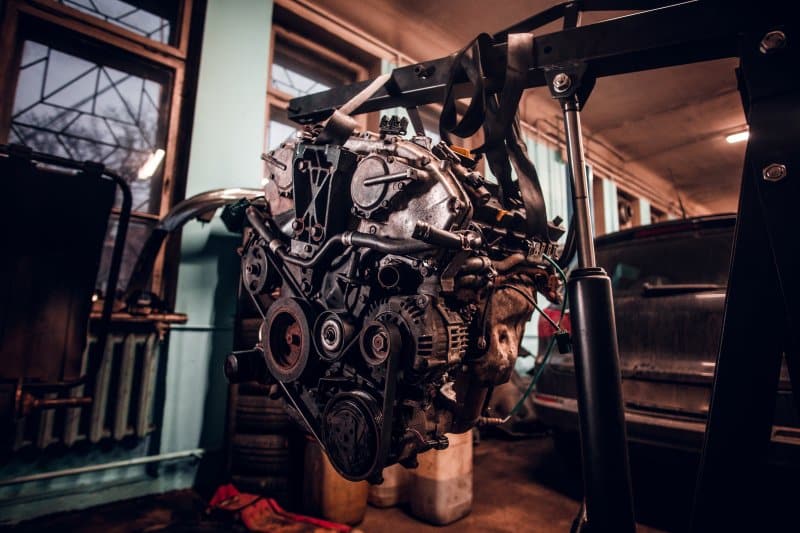
Medium-duty diesel engines play a critical role in modern transportation systems, bridging the gap between light commercial vehicles and heavy-duty freight carriers. They are commonly used in delivery trucks, buses, utility vehicles, and vocational fleets where a balance of power, efficiency, and durability is required. As logistics networks expand and urban mobility demands increase, these engines remain essential for reliable and cost-effective operations across diverse industries.
Among commonly used platforms, the Cummins ISL engine is often referenced in discussions of medium-duty applications due to its widespread use in transit buses and regional-haul operations. Its design reflects industry priorities such as fuel efficiency, emissions compliance, and operational longevity, contributing to ongoing developments in engine technology for varied transportation needs across urban and regional networks worldwide in practical deployment contexts today.
What Are Medium-Duty Diesel Engines?
Medium-duty diesel engines occupy a distinctive niche within the automotive industry. These engines are commonly found in vehicles that fall into Classes 4 through 7, specifically those with a gross vehicle weight rating (GVWR) that ranges from 14,001 to 33,000 pounds. By bridging the gap between lighter commercial vehicles and heavy-duty trucks, medium-duty engines are optimized for tasks that demand a blend of both maneuverability and resilience.
Industries across the board rely on this engine class for its adaptability, as it is tailored to handle a wide range of operational demands. While they do not match the sheer hauling power of heavy-duty engines, their fuel efficiency, durability, and balanced output make them ideal for urban and regional logistics.
Applications in Modern Transport
The applications of medium-duty diesel engines are both broad and critical within modern transport systems:
- Delivery Trucks: Last-mile delivery services and regional goods transit utilize these engines to maximize fuel efficiency and uptime. Their dependability ensures fleets remain on the road, even during strenuous delivery schedules.
- Buses: As the engine of choice for many public and private bus fleets, medium-duty diesels provide the reliability needed for transit routes with frequent stops and variable passenger loads.
- Utility and Service Vehicles: From tow trucks to garbage trucks and utility maintenance vehicles, these engines power specialized functions that require a mix of towing ability, torque, and resilience across varied terrain.
Industries such as construction, public services, and urban freight all benefit from the medium-duty diesel engine’s versatility, ensuring that cities remain connected and services operate smoothly.
Advantages of Medium-Duty Diesel Engines
The dominance of medium-duty diesel engines is anchored in several core advantages:
- Fuel Efficiency: Diesel engines typically offer better fuel economy than gasoline engines. This translates into lower operating costs over the lifespan of each vehicle, particularly vital in high-mileage applications.
- Durability and Longevity: These engines are engineered for constant usage, often running for hundreds of thousands of miles before requiring substantial overhauls. Their built-in robustness means fewer repairs and reduced downtime.
- Torque and Performance: Medium-duty diesels deliver more torque at lower RPM, making them ideal for moving heavy loads and executing the repetitive stop-and-go maneuvers common in urban environments.
Technological Advancements
Recent years have seen substantial innovation in medium-duty diesel engines. Emissions requirements and industry demands have driven improvements in fuel injection, turbocharging, and emission control technologies. Newer generations boast enhanced aftertreatment systems that help meet or exceed current environmental regulations, such as stricter NOx and particulate matter standards.
A notable example is the Cummins ISL 8.9L engine, which offers a range of horsepower options and is designed to meet various application needs. Digital control systems, adaptive diagnostics, and real-time monitoring features help operators maximize uptime while reducing their environmental footprint. Among leading manufacturers, ongoing collaboration with regulatory agencies ensures that these engines stay at the cutting edge of both performance and sustainability.
Environmental Considerations
Environmental impact remains a key concern for the diesel engine industry. Today’s medium-duty engines incorporate systems such as selective catalytic reduction (SCR) and diesel particulate filters (DPF) to minimize emissions. These technologies, combined with cleaner-burning fuels, enable vehicles to comply with stringent standards without sacrificing performance or reliability. Furthermore, fleet operators are increasingly turning to renewable diesel and biodiesel blends to further reduce carbon footprints while leveraging the infrastructure and performance benefits of diesel.
Future Outlook
The transportation industry is undergoing significant changes, but medium-duty diesel engines remain essential in areas where full electrification is not practical. Advances in alternative fuels, hybrid technologies, and smart diagnostics are improving fuel efficiency and reducing emissions. Although electric vehicles are becoming increasingly popular, medium-duty diesel engines remain crucial for operations that demand high uptime and a reliable refueling network. Ongoing research and investment aim to ensure these engines meet regulatory, economic, and environmental goals.
Conclusion
Medium-duty diesel engines remain a vital link in modern transportation, offering a practical balance of power, efficiency, and durability across diverse applications. Ongoing advancements in emissions control and fuel efficiency help these engines meet evolving regulatory standards. As transport needs grow, they remain an important part of reliable fleet operations.
