


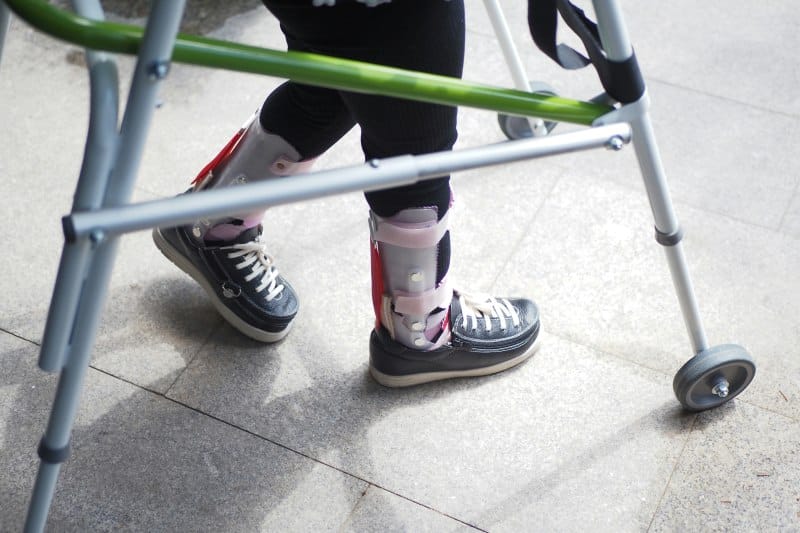
An injury rarely stays limited to pain and treatment. It usually changes the way a person works, manages the house, pays bills, and shows up for family responsibilities. Even a so-called routine injury can create weeks of disruption when recovery is slower than expected.
That is why people often end up speaking with doctors, employers, insurance adjusters, and sometimes a personal injury law firm while they are still trying to get through an ordinary week. The injury may happen in one moment, but the fallout often spreads across work hours, sleep, transportation, childcare, and household planning.
Work Problems Usually Start First
 Someone with a back injury may not be cleared to lift, bend, or stand for long periods. A person with a hand, shoulder, or neck injury may struggle with typing, driving, stocking shelves, or using tools. The work impact often looks like this:
- A warehouse employee is put on a ten-pound lifting limit and cannot do normal inventory work.
- A nurse cannot work a full shift because standing and moving patients causes pain.
- A delivery driver loses income because pain medicine makes driving unsafe.
- An office worker returns but cannot sit comfortably long enough to finish a normal day.
Daily Life Gets More Complicated
Many people plan for doctor visits, but they do not plan for how much ordinary life changes. Getting dressed can take longer. Grocery shopping may require help, and driving may be difficult, especially after surgery.
Pain can also keep disrupting the day long after the initial injury. Chronic pain can last beyond three months and may affect sleep, mood, fatigue levels, and relationships. That matters because poor sleep and steady pain make it harder to work and think clearly.
The Financial Strain Builds in Layers
Families also deal with lost wages, copays, prescription costs, parking fees, rides to appointments, and extra childcare. Money problems are usually very specific:
- Rent or mortgage is due before wage replacement benefits arrive.
- A spouse takes unpaid time off to attend appointments or stay home with children.
- Credit card use increases to cover groceries, fuel, and pharmacy costs.
- Planned expenses, like home repairs, get postponed.
Family Routine Changes Right Away
A partner may become the main driver, scheduler, cook, and caregiver in the same week. Children may notice that school pickups change, activities are skipped, and the household feels more tense than usual.
Caregiving also creates its own strain. Family members may worry about recovery, pain, work, and bills while trying to stay calm for everyone else.
Why Early Attention Matters?
Some people try to work through the pain because they do not want to lose income or fall behind. That can make recovery harder. Delayed care can increase the risk that pain, weakness, or mobility problems last longer and interfere more deeply with work and home life.
A useful response starts with honesty. Look at the injury as a household issue, not just a personal one. When families track the real costs, adjust routines early, and get proper care, they have a better chance of protecting both recovery and stability.
