



Imagine a world where your sales contracts finalize themselves while you sleep and your human resources paperwork files itself into the correct folder without a single click. This level of operational harmony is a tangible reality for organizations that prioritize deep technical connectivity between their core applications.
The shift toward a fully digital workplace necessitates the removal of manual bottlenecks that occur when employees move between disconnected platforms. Utilizing professional esignature services through direct integration allows data to flow bi-directionally, ensuring that every signed agreement triggers the next logical step in a project or transaction.
The Architecture of Connectivity
Modern business ecosystems thrive on the ability of different software components to communicate through Application Programming Interfaces (APIs). When a signature tool is embedded into your existing infrastructure, it becomes a background service that powers your primary work environment.
Strategic Advantages of Unified Workflows
Connecting your digital signing tools to a central management system creates a single source of truth for all contractual data. This unified approach eliminates the friction of switching tabs or downloading files to local drives, which often leads to version control issues and security vulnerabilities.
CRM System Integration
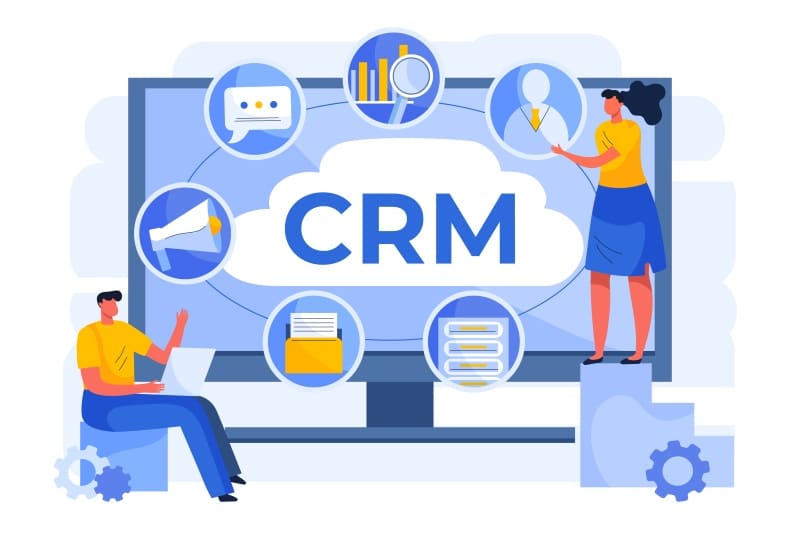 Sales teams frequently experience delays when they must leave their customer relationship management platform (CRM) to generate and send a proposal for signature. Integration allows representatives to launch a signature request directly from an opportunity record, prepopulating the document with existing client data to ensure accuracy.
The following capabilities characterize a high-performing integration between a CRM and a digital signature provider:
- Automated field mapping pulls data from lead records into the contract to prevent manual entry errors.
- Real-time status tracking updates the CRM stage from “Proposal Sent” to “Contract Signed” the moment a customer completes the process.
- Bi-directional syncing ensures that any information updated by the signer during the process flows back into the central database.
- Conditional routing triggers internal notifications to managers when a deal exceeds a specific monetary threshold.
These technical links ensure that the sales cycle remains continuous and data remains consistent across all departments. Most enterprises report a significant reduction in the time it takes to close deals once these triggers are active.
Human Resources Automation
HR departments manage a high volume of recurring documents ranging from offer letters to annual policy acknowledgments that require strict tracking. Companies can automate the distribution of onboarding packets to new hires before their first day of work by linking signature tools to an HR information system.
Effective HR software integrations provide specific technical benefits that simplify the employee lifecycle:
- Document templates with dynamic fields automatically adjust language based on the candidate’s state of residence or job level.
- Sequential signing orders ensure that the department head approves the document before it reaches the final applicant.
- Automated expiration dates revoke access to offer letters if they are not signed within a predefined window.
- Secure evidence packages attach a complete audit trail to the employee’s permanent digital file for compliance purposes.
This automation allows HR professionals to focus on cultural development rather than chasing paper trails. Centralized records also make it easier to respond to internal audits or regulatory inquiries regarding personnel files.
Financial and Accounting Links
The finance department relies on the precise timing of approvals to maintain healthy cash flow and accurate ledger reporting. Integrating signature capabilities with accounting software like QuickBooks or Xero allows for the immediate execution of purchase orders and vendor agreements.
Financial workflows benefit from the following integrated features that protect the integrity of every transaction:
- Tamper-evident technology uses cryptographic hashing to lock the document after the final signature is applied.
- Two-factor authentication adds a layer of identity verification to ensure that only authorized signatories can approve large disbursements.
- Payment collection features allow users to sign an agreement and provide credit card or ACH details in a single session.
- Direct archival links move the completed PDF into a specific tax-year folder within a cloud storage provider.
These protocols reduce the risk of invoice fraud and shorten the payment cycle for small businesses and large firms alike. Financial officers gain a transparent view of all outstanding liabilities and pending income through a single dashboard.
Project Management Synchronization
 Project managers must coordinate diverse teams and external contractors who often use different communication styles and tools. Linking signature software to platforms like Asana or Jira ensures that a project cannot move to the development phase until the scope of work is legally authorized.
Optimization of Operational Efficiency
True digital transformation occurs when the completion of one task automatically initiates the commencement of the next. Integrating these tools allows for the creation of sophisticated logic where a signed contract triggers a welcome email, provisions a new software account, and sets up a billing schedule simultaneously.
The removal of human intervention from these administrative tasks reduces the total cost of ownership for every document processed. Organizations that embrace this level of connectivity find that their teams are more agile and their data is more secure than those relying on fragmented systems.
