


Key Takeaways
- Identify which items can be disposed of in the trash and which require special disposal or recycling.
- Use community hazardous waste collection programs for paints, chemicals, batteries, and electronics.
- Donate or recycle gently used items to keep them out of landfills.
- Follow all local regulations to avoid potential fines and environmental troubles.
Embarking on a home cleanout marks a fresh start and can be incredibly rewarding when managed safely and efficiently. Whether you are reclaiming space, preparing for a move, or handling an estate, proper sorting and disposal of household items are critical for safety, environmental stewardship, and compliance with municipal waste guidelines. For a comprehensive overview of what can and cannot be discarded during major cleanouts, visit Roll Off Dumpster Direct.
Every community has different rules for waste and recyclables, so understanding which items need special handling, which can be recycled, and what can be tossed is more important than ever. Not taking the right steps can result in environmental harm, health hazards, or even fines. Besides, being deliberate in how you discard, donate, or recycle can reduce landfill waste, support those in need, and keep your neighborhood cleaner and safer.
Sorting through your belongings before a cleanout is not just about making space. It is a chance to rethink your environmental footprint, give back to the community, and ensure your home stays safe. Carefully categorizing what you no longer need is step one in a responsible cleanout that neighbors, local officials, and the earth will appreciate.
Sorting Your Items: What Goes Where?
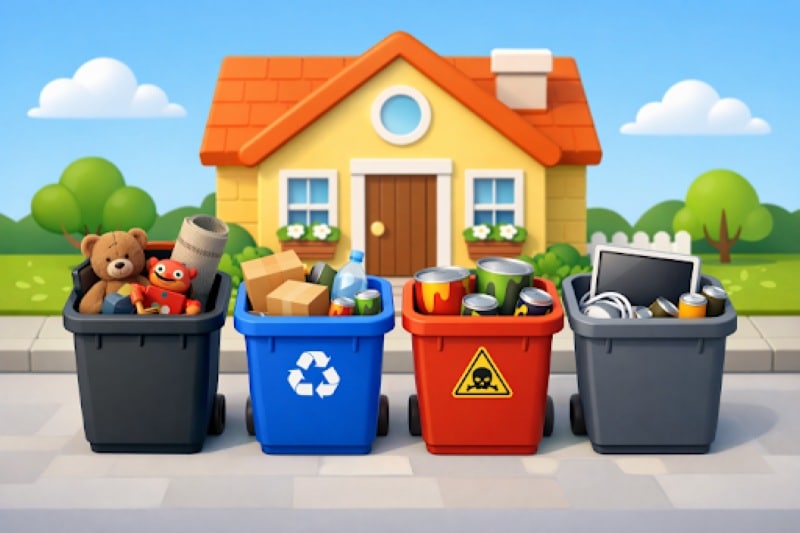
Before you part with anything, divide your items into the correct categories for disposal:
- Regular Trash: Non-hazardous household items like broken toys, old rugs, and damaged décor generally go into your weekly trash. Some localities may have restrictions on bulky items, so check your local waste management website.
- Recyclables: Broken-down boxes, paper, metals, and select plastics should be recycled. Items must be clean and free of food waste or grease to be processed properly.
- Hazardous Waste: Paints, chemicals, pesticides, and automotive fluids need special care. Hazardous waste should never be poured down drains or placed in curbside bins, as improper disposal leads to dangerous chemical reactions or groundwater contamination. The majority of U.S. communities hold periodic hazardous waste collection events, so keep an eye out for these dates on your city’s public works website. To find helpful household hazardous waste management resources, the EPA offers a Household Hazardous Waste guide.
- Electronics: Old electronics and batteries should always be recycled through a community e-waste drop-off or event. Electronics contain components and chemicals that need specialized recycling, not landfilling.
Managing Hazardous Household Materials
Hazardous household waste (HHW) includes flammable, toxic, reactive, or corrosive products. These could be certain cleaners, old insecticides, pool chemicals, or automotive products. Handle them by keeping them in their original packaging and away from children or pets until they are disposed of. Combining these substances can cause dangerous chemical reactions. Reference the recommendations from the EPA’s Household Hazardous Waste guide to stay compliant and safe.
Proper Battery Disposal Prevents Hazards
Batteries, especially rechargeable or lithium types, present unique fire and safety risks and must be recycled through designated battery take-back programs or e-waste facilities. Local officials continue to warn against tossing batteries in regular trash or recycling bins due to the fire danger this poses. Take care to tape battery terminals and transport them in non-metal containers. For more information, review the New York Times’ guide to battery recycling and safety.
Donating and Recycling Usable Items
Donating or recycling gently used household goods is another important step before discarding anything. Many local charities collect furniture, appliances, or clothing in good shape. Additionally, dedicated recycling depots process everything from glass and metals to hard plastics. This gives unwanted goods a second life and relieves the strain on landfill sites, contributing to a more sustainable cleanout.
Considering Professional Junk Removal Services
If your project feels too overwhelming to tackle alone, hiring a professional junk removal service can save time and ensure eco-friendly, responsible disposal. Many of these companies will recycle or donate items where possible, sorting and handling your junk with safety and the environment in mind.
Safety First: Important Precautions During Cleanouts
Take the necessary precautions to safeguard yourself and your household during a cleanout. Always wear gloves, sturdy shoes, and a mask when handling anything dusty or potentially hazardous. Remember that fire-damaged structures or older homes may contain asbestos, lead paint, or other hazards that require special handling and professional intervention. Authorities constantly urge the public never to sift through fire-damaged debris without expert guidance and proper protective equipment. For additional best practices, see the CDC’s post-disaster cleanup tips.
Conclusion
A safe and orderly home cleanout hinges on understanding proper disposal procedures. By categorizing household waste, using hazardous-material collection programs, donating and recycling usable items, and prioritizing safety, you ensure your project complies with local laws and contributes to a healthier community. Making responsible choices during a cleanout protects the environment, reduces health risks, and results in a more efficient, rewarding process.
