


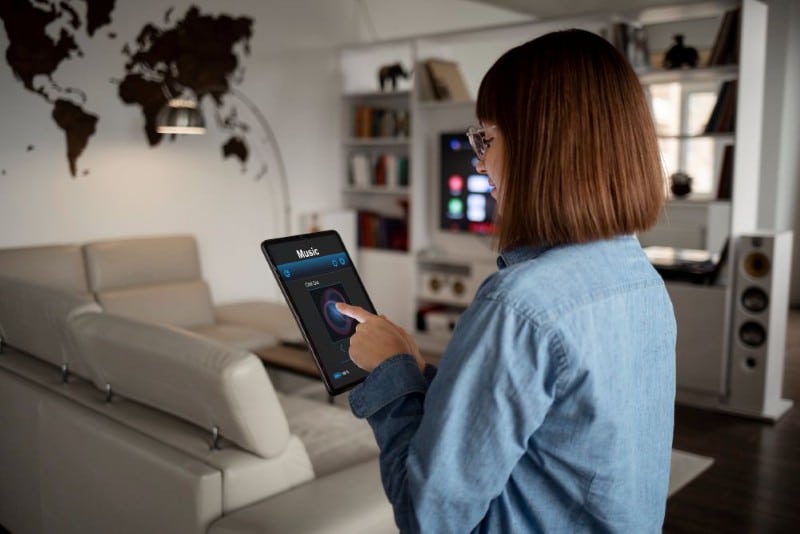
Picture yourself coming home from a long day, and the lights in your home automatically switch to your preferred cozy mode, the thermostat heats the room to the ideal temperature, and your favorite music begins softly playing in the background. Sounds like a scene from a sci-fi film, doesn’t it? Well, welcome to smart living!
If you’re reading this for the first time, don’t worry. You’re in good company. This book is all about unraveling the mystery of what constitutes a “smart” home so that it’s easy, attainable, and – most importantly – useful to you.
So, What Is a Smart Home?
In its most basic terms, a smart home uses internet-connected devices to control and automate various systems within the home like lights, heating, security, and entertainment. It’s like giving your home a brain (and a pretty smart one at that).
Smart homes aren’t just about having gadgets for the sake of having them; they’re about having a more convenient, efficient, and even enjoyable daily life. And with technology moving so quickly, it’s never more affordable or easier to get started.
Key Components of a Smart Home
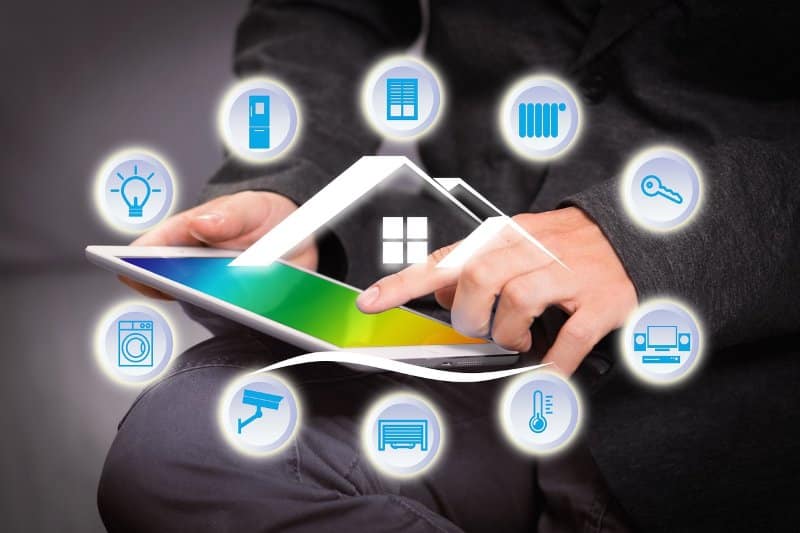
What you should know before you load up your shopping cart with smart devices is the key components that make up a typical smart home:
1. Smart Lighting: These are lights you can control using your phone or voice. There are lots of systems where you can dim lights, change the color, or schedule them to turn on and off.
2. Smart Thermostats: Smart thermostats know your pattern over a certain amount of time. They will warm the house when you wake up, cool the house when you leave, and even save you money on the energy bill.
3. Smart Security Systems: Take doorbell cameras, motion sensors, and smart locks. You can see who’s at your door, open it remotely for guests, and get alerts if something unusual happens.
4. Smart Speakers and Assistants: This is the really cool part. Scales like Amazon Echo or Google Nest can control other smart devices, answer your questions, and even play your favorite tunes with a voice command.
5. Smart Appliances: Refrigerators that recommend items based on what’s stored in them, ovens that you can preheat while working, and washers that will call your phone when a cycle is done – the future’s indeed here.
How to Get a Smart Home Started
You don’t have to do everything at once during a single night. In fact, the optimal method is to start small and build from there. Here’s a simple plan:
Start with a Hub or Speaker: Most people start with a smart speaker. It will be the primary “command hub” and has the ability to integrate with all your other smart devices in the future.
Choose One Location to Automate: Perhaps you hate that the lights always get left on, or you’d love it if your thermostat preheated the house as soon as you swing your legs out of bed. Start by automating one room first – you won’t feel bogged down.
Place Compatibility First: When buying new gadgets, make sure they are able to “talk” to each other. Google, Amazon, and Apple all have ecosystems that work best when their devices are used in combination.
Real-Life Benefits of a Smart Home
Convenience: Imagine turning the lights on, beginning your favorite film, and locking your front door – all from the couch. That’s living smart in the real world.
Energy Efficiency: Smart thermostats and lighting control systems will help you save money by optimizing how and when you use energy. Good for your wallet and the planet.
Peace of Mind: Whether you’re keeping an eye on your pets while you’re at work or checking that you locked the front door, smart security systems give you priceless peace of mind.
A Quick Note on Entertainment: Smart Living and AI

One unanticipated (and totally awesome) addition to smart homes hacks is the union of AI and music. Smart speakers these days do not just toss your favorite playlist into rotation at random. They learn your music over time, suggest new artists you might love, and even create personalized mood playlists based on what you’re currently doing, such as a soothing list for cooking or a high-intensity set for a clean sweep.
The blending of AI and music added a new level of personalization to smart living that most new users are excited to discover. It’s a small thing that makes your home more “you.”
Debunked Myths About Smart Homes
“It’s too expensive.” – Yes, you can spend a lot. You can start slowly with a simple $30 smart speaker or a pair of smart plugs. Costs are closer to your budget than you might think.
“It’s too complicated.” – Today’s smart gear is simpler to operate. Installing a new smart lamp may not even take you longer than five minutes – no degree in tech necessary.
“It’s a security risk.” – Of course, as with anything that has to do with the internet, there’s a risk. But if you’re just practicing good security practices (like using good passwords and keeping software up to date), your smart home can be very secure.
Is a Smart Home for You?
If you like the idea of streamlining everyday chores, saving energy, and adding a bit of futurism into everyday life, then definitely – smart living is something you should definitely explore.
Begin small. Experiment. Discover what works for you. The loveliness of smart living is that it’s not a single size fits all. It’s personal, adaptable, and aimed at making your life easier. The future is shining – and perhaps a little bit brighter, and wiser.
