


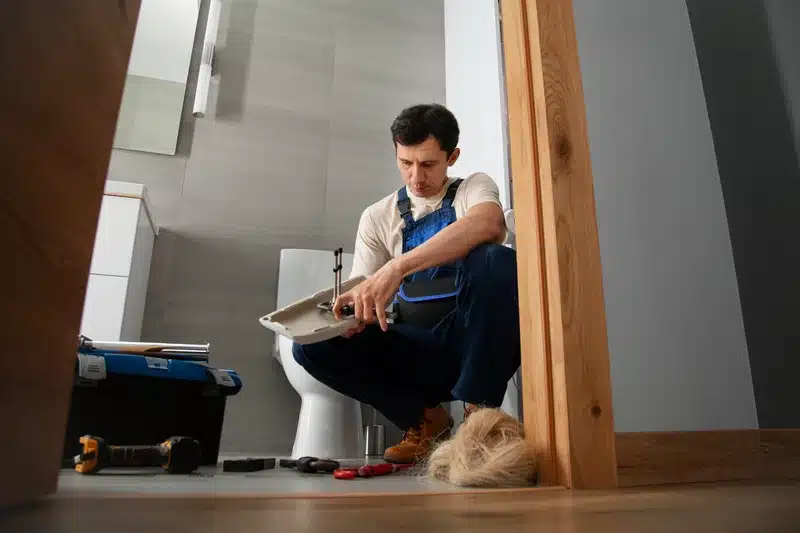
Bathrooms are one of the most used and essential spaces in any home. They’re also among the most prone to wear and tear due to constant exposure to water, humidity, and heavy foot traffic. From leaky faucets to clogged drains, small problems can quickly turn into big headaches if left unchecked. Fortunately, many common bathroom issues are preventable—or fixable—with a bit of know-how and the right tools.
Let’s dive into some of the most common bathroom problems and how to address them before they spiral into major repairs.
7 Common Bathroom Issues and Their Solutions
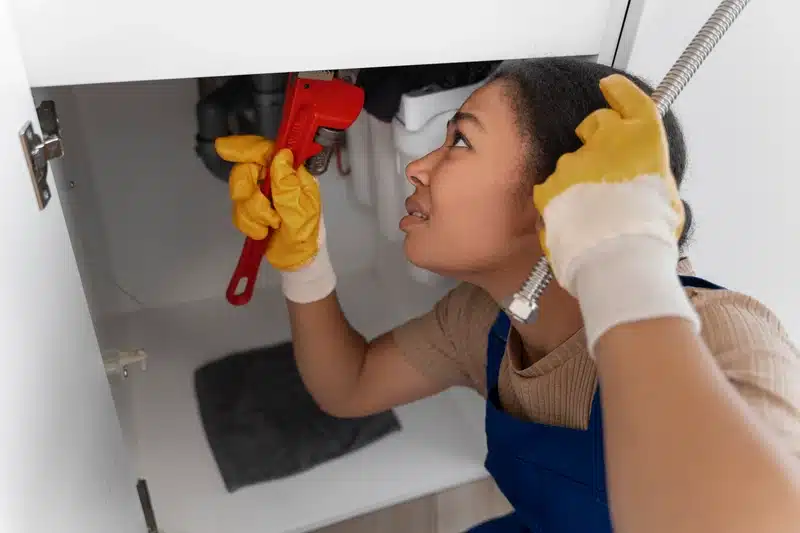
1. Leaky Faucets
The Issue:
That persistent drip-drip-drip is more than just an annoyance—it can waste gallons of water over time and drive up your utility bill.
The Fix:
In many cases, a leaky faucet is caused by worn-out washers or O-rings. Turn off the water supply, disassemble the faucet, and replace the damaged parts. If you’re unsure, faucet repair kits are widely available and come with easy-to-follow instructions. For newer faucets, cartridge replacements may be necessary.
2. Clogged Drains
The Issue:
Slow-draining sinks, tubs, or showers are often caused by hair, soap scum, or debris buildup.
The Fix:
Start by removing visible debris near the surface. Then try a plunger or use a plumber’s snake to dislodge deeper clogs. For mild blockages, a mixture of baking soda and vinegar followed by hot water can help clear things out naturally. Avoid overusing chemical drain cleaners, as they can damage your pipes over time.
3. Running Toilet
The Issue:
If your toilet seems to run non-stop, it could be silently wasting hundreds of gallons of water every day.
The Fix:
Check the flapper valve in the tank—it might not be sealing properly. Replace it if it’s worn or cracked. Also inspect the float and fill valve for issues. Adjusting the float level can often resolve the problem. Toilet repair kits are affordable and make this DIY-friendly.
4. Mold and Mildew
The Issue:
Bathrooms are humid by nature, making them a breeding ground for mold and mildew. These not only look bad but can also pose health risks.
The Fix:
Ensure proper ventilation by using an exhaust fan during and after showers. Clean surfaces regularly with a mold-killing cleaner. For existing mold, a solution of water and bleach (1:10 ratio) works effectively. If mold is widespread or keeps returning, it could be a sign of a hidden leak or poor ventilation that needs to be addressed.
5. Grout and Caulk Deterioration
The Issue:
Cracked or crumbling grout and caulk not only look unsightly but also allow water to seep into walls and floors, leading to water damage and mold growth.
The Fix:
Remove old or damaged grout/caulk and replace it with fresh, waterproof material. Use mold-resistant caulk specifically designed for bathrooms. This is an easy DIY job that can significantly improve both function and appearance.
6. Low Water Pressure
The Issue:
A weak stream from your shower or sink can be frustrating and might indicate a buildup of mineral deposits or a deeper plumbing issue.
The Fix:
Check the aerator or showerhead for calcium and lime buildup. Soaking them in vinegar overnight can help dissolve the deposits. If that doesn’t solve the issue, you may need to inspect the pipes or consult a plumber, especially if the problem is house-wide.
7. Noisy Pipes
The Issue:
If you hear loud banging or whistling sounds when you turn on the faucet, you could be dealing with “water hammer” or air in the pipes.
The Fix:
Installing water hammer arrestors can solve the banging sound. For whistling, check for loose washers or fittings. If the problem persists, have a plumber assess the water pressure and pipe condition.
Preventive Tips to Keep Bathroom Problems at Bay
- Cleaning: Keep drains, tiles, and surfaces clean to prevent buildup and mildew.
- Check for Leaks: Periodically inspect under sinks and around the toilet for signs of moisture.
- Ventilation: Always use a bathroom fan or open a window to reduce humidity.
- Seal and Re-seal: Refresh grout and caulk every few years to prevent leaks.
- Routine Maintenance: Don’t wait for small issues to grow. Address them as soon as they arise.
When to Call a Professional
While you can handle many bathroom fixes yourself, some problems are better left to the pros. If you’re facing stubborn leaks, hidden mold, or tricky plumbing issues, it’s a smart move to call a licensed plumber—especially if you’re in Layton. Getting expert help early on can prevent bigger, more expensive repairs later.
Final Thoughts
Bathroom problems are a normal part of homeownership, but they don’t have to be a source of constant stress. With regular maintenance and timely fixes, you can keep your bathroom functioning smoothly and looking great. Whether you’re unclogging a drain or sealing up cracked caulk, a proactive approach is the best defense against the dreaded bathroom blues.
