


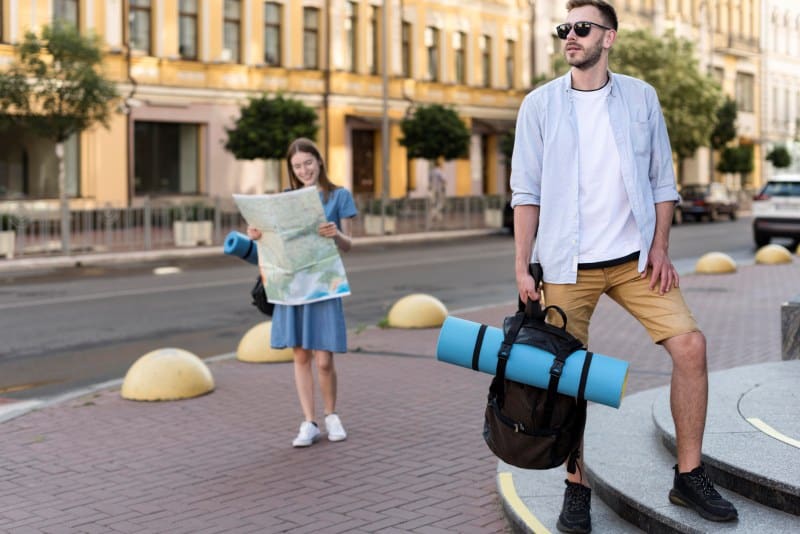
A city break with kids is a walking trip nobody called a walking trip, and most families figure that out around four o’clock on the first afternoon.
Twelve thousand steps on cobbles, two floors of a museum, a metro station with no elevator, and a restaurant that turns out to be uphill all add up quickly, and a seven-year-old gives up long before the adults do.
Packing for that isn’t the same job as packing for a beach week, and nearly all of it comes down to feet, water, and having somewhere to put everything.
Feet Decide How Much You See
You can get most of the list wrong and still have a good week, but a blister on the first day decides what your family sees for the rest.
Whatever your child walks in has to be worn in before you go, which means two or three weeks of normal wear at home rather than a box opened at the airport. What matters on eight hours of pavement is a cushioned sole, a heel that stays put, and a fastening they can manage on their own.
Many families opt for kids’ Nike shoes or a similar everyday sneaker when traveling, and there’s no need to overthink it. What matters is choosing a pair that’s already been worn and feels comfortable. A little extra room around the toes helps, too, since feet tend to swell throughout the day, and shoes that feel fine in the morning can become uncomfortable by late afternoon.
It’s also worth packing a second pair, even if luggage space is tight. Between unexpected rain, spilled drinks, and long days of exploring, having a dry, comfortable change of shoes can make all the difference.
Socks Matter More Than People Expect
Blisters usually come from the socks rather than the shoes, and most of us never stop to think about that.
Bring wool or a sports blend instead of thin cotton, because cotton holds damp and damp skin rubs. One pair a day plus two spares weighs almost nothing in a case and covers the whole trip, so three pairs for four days won’t get you there.
Changing socks at lunchtime sounds fussy until you’ve tried it on a child who started complaining at eleven, and after that it becomes part of the routine.
What Goes in the Day Bag?
One adult backpack should carry the whole day, because whatever you bring gets carried up every set of stairs in the city.
Water for everyone, snacks that survive being sat on, a thin layer each, something waterproof, sunscreen, blister bandages, wet wipes, and a paper metro map will handle almost any day out. Refillable bottles save the most money and the most complaining.
Give each child a small bag with one toy, their own water, and their own snack in it. They get something of their own to look after, and the adult bag stops being a locker for everybody else’s things.
Clothes for a Day That Changes
A city day starts cold, warms up by lunch and cools off again by dinner, often with a church, a museum and a restaurant in between.
Thin layers deal with that better than one thick coat, so a T-shirt, a long-sleeve top and a light jacket let a child warm up or cool down without anybody walking back to the hotel. Dark colors are worth it here, since a day of ice cream and handrails shows on pale clothes within an hour.
Pack for washing rather than for days: four or five outfits for a week and a sink wash halfway through, which also leaves space in the case for whatever you buy along the way.
Build the Day Around the Kids
No amount of good packing fixes a schedule written for adults, and that’s where most city trips fall apart.
One big thing in the morning, a sit-down lunch, something slow afterward, and an early dinner is roughly the shape of a day that works. A park, a playground, or a square with pigeons does more for everyone’s mood than a third museum ever will.
Sort out the transport before you go, because a day pass, a stroller that folds with one hand, and knowing which stations have elevators will save more walking than any clever route planning. Taking a taxi at the end of a long day isn’t giving up; it’s what keeps tomorrow going.
The Small Things That Rescue an Afternoon
Once the shoes and the socks are sorted, the rest of the list is short, and most of it fits in a pocket.
Blister bandages bought at home, a charger for the phone holding all the tickets, a copy of everyone’s documents, children’s pain relief, and a plan for where to meet if somebody gets separated are the ones worth remembering.
Then leave one afternoon with nothing in it at all, because the hour spent sitting in a square with ice cream is usually the part everybody talks about afterward, rather than the thing booked three months ago.
