


Most people have a drawer filled with electronics they no longer use. An outdated smartphone, a laptop with a broken screen, or a collection of chargers that no longer fit anything. These devices often sit around for years because throwing them away feels wasteful, but deciding what to do with them isn’t always straightforward.
The same problem exists in workplaces, where replacing computers, monitors, and other equipment is part of normal business operations. What happens to these devices afterward matters more than many people realize. Old electronics contain valuable materials, potentially hazardous substances, and sometimes personal information that remains accessible long after the equipment stops being used.
The Growing Problem of Electronic Waste
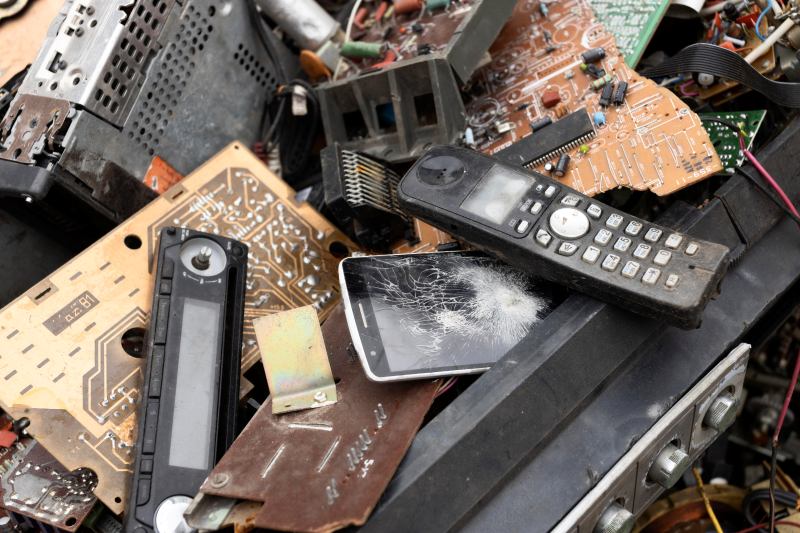
Electronic waste, commonly called e-waste, includes discarded devices that operate using electricity or batteries. Smartphones, computers, televisions, printers, and household appliances all fall into this category. As technology changes and older products become harder to repair, more equipment reaches the end of its useful life.
According to the Global E-waste Monitor 2024, published by the International Telecommunication Union and the United Nations Institute for Training and Research, the world generated approximately 62 million metric tons of electronic waste in 2022. Only 22.3% was documented as formally collected and recycled through environmentally sound processes.
Those figures highlight a problem that extends beyond unwanted gadgets. Electronics contain copper, aluminum, gold, and other materials that require substantial resources to extract and manufacture. When devices are discarded improperly, much of that material is lost instead of being recovered for future use.
There are some electronics that may contain hazardous substances that pose an environmental threat if mishandled. Such electronics include batteries, circuit boards, and displays, which must be handled carefully since their chemicals can lead to pollution if taken to the wrong disposal facilities.
What Happens When Electronics Enter the Recycling Process?
The process of recycling an electronic gadget entails far more than just putting it into a collection point. Upon arrival of the equipment at a suitable recycling plant, the device is usually sorted based on its type and makeup.
Some devices are still functional or repairable. Depending on their condition, they may be refurbished and resold, allowing someone else to use them instead of buying new equipment. Reuse is often preferable when a device remains safe and practical to operate.
Items that cannot be recycled may be broken down into smaller parts. Batteries and other items that need special attention will be extracted from the waste.
Mechanical separation is done on the machinery, separating various materials like metal and plastic. The copper and aluminum can be reprocessed into industrial products, but some circuit boards require additional processing.
Not everything is recoverable, however. Some plastics and composite materials are difficult to separate economically, meaning proper recycling still produces residual waste that needs appropriate management.
The Data You Leave Behind Can Be Another Problem
An old computer may stop working properly, but that doesn’t necessarily mean the information stored inside it has disappeared. Hard drives and other storage devices can retain documents, photographs, passwords, and business records long after their owners stop using them.
This is particularly important for companies replacing employee laptops or disposing of outdated office equipment. A device that once contained customer information or financial documents requires more careful handling than ordinary scrap metal.
Before selling, donating, or recycling electronics, owners should back up important information and follow appropriate data removal procedures. Businesses may also need verified data-destruction methods and documentation showing how they handled storage devices.
Deleting visible files isn’t always enough. The right method depends on the storage technology, whether the device still works, and how sensitive the information is.
Why Convenient Recycling Options Matter?
One reason electronics accumulate in homes and offices is that recycling them can be inconvenient. Collection centers may be far away, some devices may not be accepted, and transporting large quantities of equipment requires extra planning.
Businesses with remote employees face another challenge. Old laptops, phones, and accessories may be spread across several locations, making centralized collection difficult.
In these situations, a mail-in electronics recycling program offers an alternative to arranging individual drop-offs. Users can pack and ship approved devices to a recycling facility, but they should confirm accepted equipment, packaging requirements, and data-destruction procedures before sending anything.
Local collection events, retailer take-back services, and manufacturer recycling programs provide other options. The most suitable approach depends on the type and quantity of electronics involved.
Keeping Electronics Useful for Longer
Recycling matters, but extending electronics’ useful life can reduce the need for replacement in the first place. Replacing a failing battery, upgrading storage, or repairing a damaged component may let a device stay functional for several more years.
When equipment genuinely needs replacing, responsible disposal should be part of the decision rather than an afterthought. Businesses can establish procedures to track retired devices, while individuals can identify suitable recycling options before buying replacements.
Old electronics don’t simply disappear when you remove them from a desk or unplug them for the last time. Their materials, environmental impact, and stored information remain relevant long afterward. Understanding what happens next makes it easier to choose between repair, reuse, and recycling while avoiding the problems of improper disposal.
