


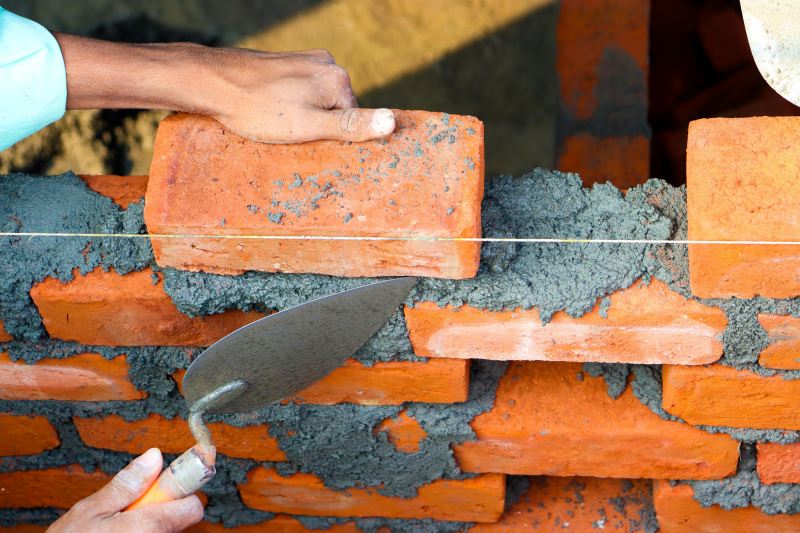
Mortar is the silent hero of every old brick restoration project.
Everyone worries about bricks and ignores mortar. Big mistake. The wrong mortar mix will ruin a heritage wall in a few years. The right mix can keep it alive for another century.
Here’s the deal:
Old brick is not the same thing as new brick. They act differently. They absorb and release moisture differently and require very different mortars for longevity.
Here is your comprehensive resource to consider when choosing a mortar mix for your historic brick restoration project.
Let’s jump in.
Why Mortar Mix Is The Backbone Of Old Brick Restoration?
There’s actually quite a technical side to old brick restoration. It’s not as simple as filling in crumbling joints and you’re done.
Every old brick wall is a miniature ecosystem. The bricks and mortar complement each other. They deal with moisture and temperature changes and movement together. Push one too far and the system collapses.
It’s why professional craftsmen who specialise in brick and stonework in Adelaide take great care matching your existing mortar mix. When it comes to restoration of old brick, it’s all about matching. Your mortar mix should:
- Match the original strength of the joint
- Let the wall breathe properly
- Flex with seasonal movement
- Look like the original (this matters more than you think)
Get any of these wrong and you’ll cause serious damage. Sometimes irreversible damage.
Here’s why:
Bricks built with prior to the late 1800s and early 1900s tend to be quite soft and porous. Heritage brick research has indicated that the average low-fired heritage brick has between 25-35% porosity, whereas modern bricks are around 7%.
That’s a massive difference.
Old bricks absorb and release moisture similar to a sponge. The mortar must also absorb/release or moisture becomes trapped in the brick. Trapped moisture is why spalling, cracking and crumbling occurs.
Lime Mortar vs Cement Mortar (And Why The Choice Matters)
This is where most DIYers (and even some tradies) get it completely wrong.
They buy a bag of ready-mixed mortar from the hardware store and begin repointing. It seems OK for a couple years. Suddenly, catastrophe.
Cement mortar is too hard for old bricks.
Historic bricks were made to be mortared with soft, flexible lime mortar. If you replace that lime mortar with rigid Portland cement:
- The mortar becomes harder than the brick itself
- Moisture can’t escape through the joint
- The brick face takes the stress instead
- The brick face cracks, flakes and falls off
This is called spalling. And once it starts, you can’t undo it.
Lime mortar is the gold standard for old brick restoration because:
- It’s soft enough to flex with the wall
- It lets moisture evaporate naturally
- It’s “sacrificial” (it wears out before the brick does)
- It matches what was originally used
Pretty smart, right?
Lime mortar was actually engineered to be sacrificial. The inexpensive mortar is designed to wear away every 50-80 years, not the valuable heritage bricks.
The Top 5x Mortar Mix Mistakes That Destroy Heritage Brickwork
Want to wreck an old wall in record time?
These are the mistakes that show up over and over again on restoration jobs:
Using Pure Portland Cement
The single greatest destroyer of old bricks. Looks “bigger” so people think it’s superior. It isn’t.
Adding Too Much Sand
The sand-to-binder ratio is also important. Too high and the mixture will be too loose. Too low and it will become too dry and crack.
Wrong Sand Type
Don’t use beach sand or play sand. Old brick restoration requires angular well graded sand with correct gradation.
Mixing Mortar Too Wet
Thin, sloppy mortar will squeeze out onto the face of the brick and stain it. Also, the bond will be weak.
Repointing Over Bad Joints
Bad old mortar will not adhere properly over itself. The defective material must be removed first (typically 20-25mm), then new mortar is applied.
Repairing the damage can be costly. Studies have demonstrated Adelaide City Council have spent repairing over 400 heritage buildings over a fifteen year period because of rising damp and salt decay due predominantly to inappropriate repair materials.
That’s a lot of buildings damaged by mortar mistakes that should never have happened.
How To Pick The Right Mortar Mix?
Here’s the simple rule: match the original mortar.
Duh. Everyone ignores this. Your old mortar holds the clues. Match its:
- Colour
- Texture
- Strength
- Composition
How do you do that?
Begin with taking a look at some existing mortar. Check out the colour and size of the aggregate. If possible send a sample to a heritage specialist to analyse. They’ll provide you with an exact lime to sand ratio and can suggest an appropriate matching mix.
As a general rule of thumb, hydraulic lime mortar with a lime to sand ratio of 1:2 or 1:3 will be appropriate for the majority of pre-1940s heritage Australian homes. Each wall structure will have its own individual needs however, which is where assessment comes in.
Pro tip: Always test your mortar mix on a small inconspicuous area first. Allow 28 days curing time and check before proceeding with entire wall.
What Happens When You Get It Wrong?
Quick reality check.
Bad mortar choices don’t just look ugly. They cause real, expensive, irreversible damage.
You’ll see things like:
- Spalled brick faces (cracking and flaking)
- Trapped moisture and rising damp
- Salt efflorescence (those white deposits on the wall)
- Cracking along the joint lines
- Eventually, full brick replacement needed
Once your brick is spalled, there is nothing that can be done to fix it. You can either replace it with another heritage brick OR live with it split open. (PS good luck finding another heritage brick!)
Bringing It All Together
Choosing the correct mortar mix can mean the difference between a 100 year old brick restoration and a 5 year failure.
Quick recap:
- Old bricks need soft, breathable lime mortar
- Cement mortar destroys heritage brickwork
- Match the original mix in colour, texture and strength
- Get a sample analysed before starting the job
- Test on a small area first
A wall may come down to just mortar to most folks, but it’s the most critical element to a proper brick repair. Done correctly, a wall can last 100 years. Done incorrectly and the bills will keep coming back repeatedly (and you’ll spend more money).
Don’t have the time or expertise to handle it yourself?
That’s when you call in a professional heritage consultant. They know how to match that mortar.
Old brick restoration is worth doing properly the first time.
