


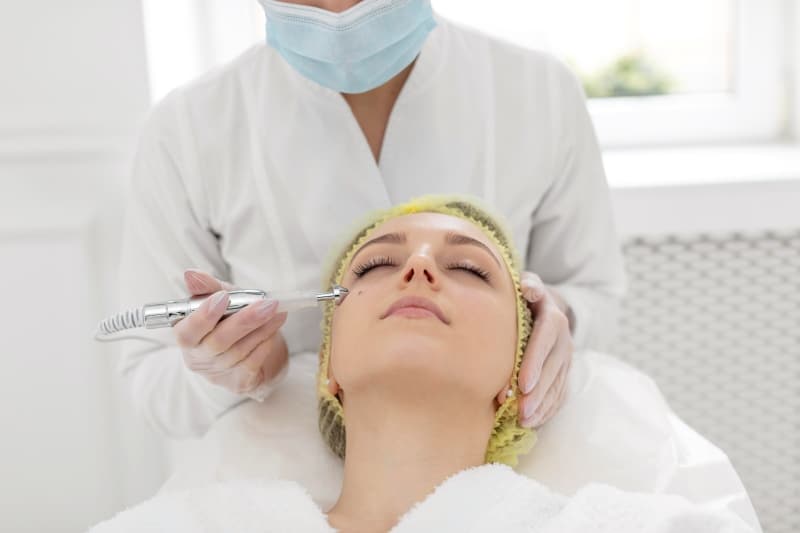
Cell damage takes place due to the influence of the surroundings, oxidative stress, and aging. The process of restoring the damaged tissue involves much more than hydration; rather, it involves correct signaling to activate repair mechanisms inside the body. As the structural proteins break down, skin becomes less dense, loses its elasticity, and stops repairing itself after any form of physical stress and cosmetic procedures. The current methods of cellular rejuvenation aim at repairing the inherent repair mechanisms.
Synergistic biological signaling compounds provide a multi-pathway structural tissue recovery strategy. Advanced signaling complexes such as the klow peptide formula can help to downregulate inflammatory cascades and stimulate simultaneous increases in the production of native collagen and repair of the extracellular matrix.
Cascading Stages of Cellular Repair
Recovery of the skin demands a well-defined series of biological reactions. If skin tissue is damaged, repair processes occur in overlapping stages to repair the structure.
Inflammation Modulation
(Cytokine suppression & calming of localized tissue)
│
▼
Cellular Migration & Angiogenesis
(Vascular signaling & recruitment of repair cells)
│
▼
Extracellular Matrix Renewal
(Collagen synthesis & long-term structural remodeling)
To move through each biological phase efficiently without any chronic irritation, specific signaling signals are required for each:
- Inflammatory Control: By blocking pro-inflammatory markers (such as TNF-a and IL-6), the introduction of inflammatory processes is prevented, and early recovery is promoted.
- Vascular Rebuilding: Expanding micro-vessels allows the delivery of oxygen and nutrients to damaged dermal layers.
- Matrix Renewal: Collagen and elastin deposition is stimulated: firmer skin due to increased activity of fibroblasts.
Multi-Pathway Signaling Component Breakdown
Two peptides can simultaneously target different cellular mechanisms. Multi-peptide formulations offer systemic cellular reinforcement, as opposed to depending on a single biological pathway.
Structural performance metrics of primary regenerative components emphasize the unique properties of biological sequences in supporting tissue recovery:
| Component Sequence | Primary Biological Mechanism | Targeted Recovery Phase | Relative Composition |
| Copper Tripeptide (GHK-Cu) | Collagen & Elastin Synthesis | Extracellular Remodeling | 62.5% |
| Pentadecapeptide (BPC-157) | Angiogenesis & Microvascular Support | Soft Tissue Repair | 12.5% |
| Thymosin β4 Fragment (TB-500) | Actin Regulation & Cell Migration | Wound Closure & Cell Mobility | 12.5% |
| Tripeptide Fragment (KPV) | NF-κB Pathway & Cytokine Inhibition | Inflammation Modulation | 12.5% |
Synergistic Mechanisms in Action
When these specialized compounds are combined, they still have a combined biological effect that is better than any single-peptide protocol. Copper tripeptides are active in stimulating gene expression for the synthesis of structural proteins. At the same time, the actin-binding fragments accelerate the repair cells’ migration to damaged areas.
At the same time, stable gastric fragments stimulate new growth of micro-blood vessels via VEGFR2 pathways. This “micro-circulation” is expanded to provide vital building blocks directly to actively repair the dermal structures. They inhibit localized swelling and redness, providing the best conditions for undisturbed cellular rebuilding, with C-terminal tripeptides that suppress swelling and redness to provide the best conditions for undisturbed cellular rebuilding.
Optimizing Dermal Matrix Density
The regrowth of skin entails the formation of an extracellular matrix, which provides a structural framework made up of collagen, elastin, and glycosaminoglycans. It is common for tissues to be affected by aging, which causes a reduction in the performance of the fibroblasts, hence making the skin thin and less elastic.
When the dermal fibroblasts are activated, new collagen is deposited, and the loss of skin volume is restored. Research published in the National Institutes of Health reveals that targeted peptide complexes dramatically improve pathways involved in matrix remodeling that aid in wound resolution. Another set of bioinformatic studies on PubMed shows that copper-bound peptides affect thousands of human genes involved in tissue repair.
Furthermore, physiological data reported in the Journal of Cell Science show that cell migration is directly linked with the acceleration of structural tissue regeneration by peptides. Targeted use of Klow peptide combinations provides optimized support for these matrix-rebuilding processes, which guarantees fast recovery and long-term dermal resilience.
FAQ
How does Klow peptide work, and what benefits does it offer for cell regeneration?
It comprises various peptides like GHK-Cu, BPC-157, TB-500, and KPV, which are responsible for reducing inflammation, stimulating collagen production, improving the rate of cell movement, and repairing the microvasculature of blood vessels.
How soon will skin recovery be seen?
Anti-inflammatory effects and reduction in redness will be seen in 1-2 weeks, and changes in skin thickness, firmness, and elasticity will be observed after 4-8 weeks.
How does this mix differ from single-peptide formulas?
Single peptides target isolated biological pathways. Multi-peptide formulations work in different ways to repair the skin by blocking inflammation and stimulating collagen production and movement.
Mastering Cellular Restoration
A long-term effect on the skin’s surface resilience depends on the ability to harmonize topical and systemic actions with nature’s ability to repair the skin. The skin’s ability to regenerate quickly is restored, as fibroblasts are stimulated, healthy cell migration is promoted, and the inflammatory cascade is controlled. The modern multi-pathway protocols give the necessary structural signals to regenerate damaged tissues from scratch. All-in-one signaling strategies promote long-term vitality, structure, and accelerated skin recovery throughout our lives.
