


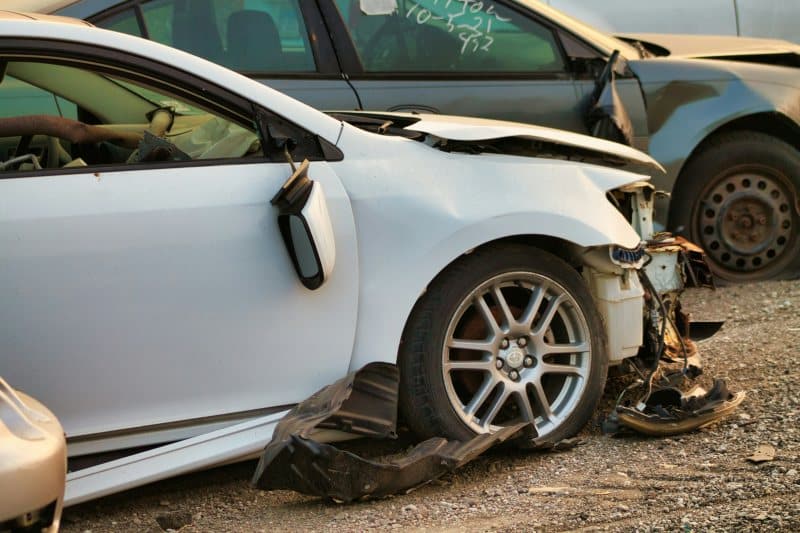
Traffic accidents happen in split seconds, leaving chaos and confusion behind. Securing hard physical proof right after a crash protects individual rights when insurance disputes arise. Tangible clues on the pavement or vehicle body tell an objective story that words cannot alter. Documenting these physical details creates a solid foundation for fair financial recovery.
Clear Photos Capture Scene Reality Before Clutter Clears
Photographs taken immediately following a collision preserve raw details that clean-up crews quickly remove. Glass fragments, tire marks, and vehicle rest positions disappear within hours as roads reopen. Capturing these fleeting elements ensures that critical facts remain intact for later legal review.
An analysis of accident documentation noted that photos freeze scene details exactly as they occurred, letting investigators and jurors view collision facts without relying purely on subjective witness statements. Capturing close-ups alongside wide-angle shots provides context for speed, weather, and roadway design.
Passing drivers or panicked victims often forget minor details during chaotic moments. Having visual records eliminates guesswork during insurance negotiations. High-resolution imagery creates an undeniable factual base that holds weight in court settings.
Experienced Legal Counsel Preserves Critical Collision Proof
Navigating complex insurance claims after a serious collision demands immediate action from a skilled courtroom advocate. As explained by Matthew Trapani, seasoned personal injury attorneys can help you secure skid mark records, black box logs, and vehicle debris before crucial items disappear. Prompt action by a dedicated legal team prevents insurance representatives from shifting blame onto innocent drivers.
Law offices dispatch investigators to inspect crash locations before weather or road repairs alter the surface. These legal professionals send formal spoliation letters to preserve commercial truck records and traffic camera video.
Gathering physical proof early stops insurance adjusters from denying valid claims. Strategic legal representation ensures every scrap of proof undergoes proper chain-of-custody tracking for trial presentation. Thorough evidence collection builds an unassailable framework that withstands intense cross-examination.
Measurable Data Overcomes Conflicting Driver Statements
Drivers involved in crashes frequently share conflicting memories of how a collision occurred. Stress and adrenaline alter human perception, making verbal testimonies unreliable during formal disputes. Objective metrics provide clarity when conflicting stories create gridlock.
A study on fault verification highlighted that physical records carry strong weight in personal injury claims since outcomes rest on measurable data rather than personal opinions. Black box recorders, GPS telemetry, and dashcam footage yield exact numbers regarding vehicle velocity and brake application.
Hard data replaces heated arguments with verifiable metrics. When telemetry matches physical pavement marks, insurance companies lose room to challenge legitimate compensation demands. Comprehensive digital logs remove ambiguity, allowing claims to move forward without unnecessary delays.
Vehicle Damage Patterns Reveal Hidden Collision Secrets
Crushed metal, paint transfers, and shattered glass reveal exact collision dynamics that driver memories cannot capture. Collision specialists evaluate contact areas to determine impact angles, vehicle speeds, and collision force. Physical damage profiles provide clear evidence of how vehicles collided on impact.
Key physical elements that reveal collision mechanics include:
- Crush depth measurements showing impact severity and relative vehicle speeds
- Paint transfer marks establishing direct contact between specific vehicle bumpers
- Shattered glass scatter areas defining exact impact locations on roadways
- Seatbelt tensioner marks confirming whether occupants wore safety restraints
Examining structural damage helps reconstruct exact vehicle trajectories prior to contact. Detailed vehicle inspections transform twisted metal into clear evidence of fault.
Reconstruction Specialists Turn Raw Scrapes Into Clear Timelines
Complex multi-vehicle collisions require expert technical evaluation to rebuild chronological event sequences accurately. Accident reconstruction experts combine engineering principles with physical site measurements to explain crash physics clearly.
A legal resource guide explained that reconstruction professionals analyze scene data, vehicle damage, physical evidence, and police crash reports to clarify how an incident occurred. These specialists generate computer models showing vehicle motion leading up to impact.
Visual model presentations help juries grasp complicated physical interactions quickly. Scientific analysis transforms scattered roadway debris into persuasive court testimony. Clear technical demonstrations bridge the gap between raw data and courtroom understanding.
Orderly Evidence Files Strengthen Negotiations With Insurers
Insurance adjusters evaluate claims based on risk exposure and verifiable factual strength. Organized physical evidence files demonstrate readiness for formal trial proceedings, signaling that a claimant will not accept unfair settlements.
Comprehensive evidentiary files force insurance companies to take settlement discussions seriously. Well-documented proof reduces negotiation timelines and prevents stalled settlement offers. Adjusters recognize when a case is backed by thorough documentation and adjust their positions accordingly.
Strong physical proof shifts leverage toward injured parties during settlement talks. Clear documentation leaves little room for defense teams to minimize claim payouts. Presenting organized files early in the claims process leads to faster and more equitable resolutions.
 Documented physical evidence preserves the objective facts of a crash before they disappear or get distorted by memory. Expert legal counsel and reconstruction specialists turn this raw evidence into a clear, persuasive timeline that holds up in court. Ultimately, organized physical proof shifts leverage to injured parties and leads to faster, fairer settlements with insurers.
