


Key Takeaways
- Choose a hand-drying system based on traffic, space, budget, and facility needs.
- Consider drying speed, noise level, accessibility, and user comfort.
- Compare air dryers, paper towels, and hybrid systems before deciding.
- Touch-free operation can improve convenience but still requires regular cleaning.
- Check electrical access, wall space, installation needs, and service requirements.
- Consider long-term costs, including energy, paper supplies, waste, repairs, and maintenance.
- Place dryers conveniently near sinks to support smooth user flow.
- Choose a system that the cleaning staff can maintain consistently.
- Test the system in the actual washroom before making a final decision.
Choosing a hand-drying system for a busy public washroom involves more than selecting the fastest-looking unit. The right option needs to suit the number of users, the room layout, cleaning capacity, noise expectations, accessibility requirements, and the facility budget. A hands-through model such as a U-flow hand dryer may be worth assessing where quick, touch-free operation and compact placement are important. Every site has different priorities. A quiet medical waiting area, a school washroom at class changeover, and a high-traffic café restroom will not necessarily need the same solution. By comparing the full user experience rather than focusing on purchase price alone, facility managers can choose a system that will be reliable over the long term.
Why Hand Drying Matters?
Drying is the final step in a complete hand hygiene routine. Wet hands can transfer contamination more readily to handles, phones, door plates, and shared surfaces, while a poor drying experience may lead people to leave before their hands are dry. Facilities should support washing hands with soap and running water by making the drying step convenient, visible, and easy to complete. The hand-drying zone also needs the same attention as taps, sinks, mirrors, and door hardware. Splash marks, dust buildup, overflowing bins, and neglected dryer surrounds can quickly undermine the impression of a well-maintained washroom.
The Main Hand-Drying Options
There is no universal winner. Each method has trade-offs that should be considered against the site’s traffic, available space, user expectations, and maintenance resources.
- Warm-air dryers: A familiar option that may suit standard washrooms where speed is not the main concern.
- High-speed air dryers: Designed for shorter drying cycles and potentially better flow during busy periods.
- Paper towel systems: Straightforward for users, but they require dispenser refills, bin space, storage, and waste collection.
- Hybrid systems: Combine an air dryer with paper towels, giving visitors a choice while increasing servicing requirements.
Quick Comparison
- User choice: Paper towels are familiar, air dryers limit drying to one method, and hybrid setups offer the most flexibility.
- Waste management: Air dryers reduce paper waste, while towels require bins and regular collection.
- Maintenance: Dryers need cleaning and occasional technical service. Towels need constant stock checks and refill time.
- Space: Wall-mounted dryers are usually compact. Towel systems also need room for a dispenser, bin, and service access.
Key Factors To Check Before Choosing A System
- Daily and peak usage: Count visitors and identify pressure points such as lunch breaks, school transitions, or event intervals.
- Wall space and electrical access: Measure carefully and confirm circuit capacity and local installation requirements before ordering.
- Noise limits: Consider nearby offices, classrooms, patient rooms, dining spaces, or reception areas.
- Cleaning capacity: Choose a system that the cleaning team can inspect and maintain consistently.
- User needs: Plan for children, wheelchair users, older adults, and people with sensory sensitivities.
- Lifetime budget: Compare purchase, installation, electricity, consumables, waste removal, repairs, and downtime.
Hygiene And Air Quality
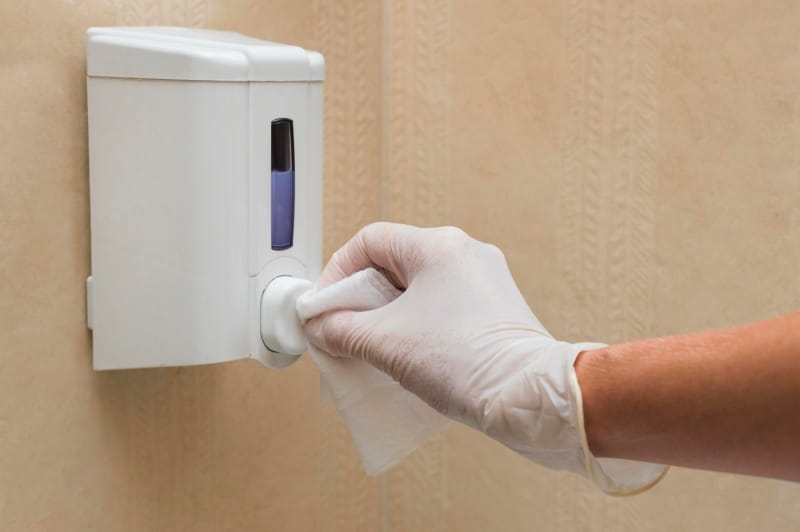
Touch-free activation can reduce the need to contact a shared control after handwashing, but it does not remove the need for regular cleaning. Staff should wipe the surrounding walls and floor areas, inspect sensors, and keep air inlets and outlets clear, in accordance with the manufacturer’s instructions. Filtered models also need a documented filter-care schedule. It is best to avoid broad promises that any drying method is automatically germ-free. Airflow design, washroom ventilation, cleaning quality, and user behavior all affect outcomes.
Speed, Noise, And User Flow
Drying time affects the entire washroom during peak traffic. If users wait to access a dryer or give up before their hands are dry, queues can spill back toward sinks and doors. Review claimed drying times alongside the likely number of users, not in isolation. For example, a busy café with a small restroom may benefit from a compact, fast system located near the sink, provided that its sound level does not disturb nearby diners. The unit should be intuitive from either side, without awkward hand movements or unclear activation points.
Maintenance And Running Costs
A practical maintenance plan should cover daily visual checks, cleaning of housings and surrounding surfaces, sensor checks, filter or cover servicing where applicable, and prompt fault reporting. Ask suppliers about warranties, spare-part availability, service response times, and how long replacement work normally takes. Compare electricity use with the recurring costs of paper deliveries, storage, dispenser refills, bins, and waste collection. After installation, track supply use, cleaning time, service calls, and complaints for at least one month. That information is more useful than assumptions when reviewing performance.
Accessibility And User Comfort
Position the system within a practical reach range and leave sufficient clear floor space for mobility devices. Children should be able to understand where to place their hands, and people with limited dexterity should not need to make precise movements. Where the operation is not obvious, simple visual instructions can prevent frustration. Comfort also includes noise. A powerful dryer may suit a transport hub but be unsuitable near consultation rooms or quiet workspaces. Test the sound in the actual room, where hard surfaces can amplify it.
A Simple Installation Checklist
- Measure wall, floor, and door clearances.
- Confirm electrical needs with a qualified professional.
- Check spacing from sinks, mirrors, splash zones, and exits.
- Keep service access available after fitting.
- Test the placement with different users before opening the washroom.
- Add cleaning and inspection tasks to the regular facility schedule.
Common Selection Mistakes
- Choosing solely on the upfront price.
- Ignoring peak traffic and likely queue formation.
- Overlooking sound levels and user comfort.
- Installing the dryer too far from the sinks.
- Failing to consider reach, clearance, and accessibility.
- Assuming touch-free operation eliminates cleaning needs.
- Neglecting repair planning, staff training, and replacement parts.
How To Make The Final Decision?
Use a simple one-to-five score for hygiene support, drying speed, noise, accessibility, cleaning needs, installation effort, long-term cost, and user satisfaction. Choose the option with the strongest overall fit, not simply the highest score in one category. The best system is the one that supports clean habits, smooth flow, dependable maintenance, and comfortable use for the people who rely on the washroom every day.
Conclusion
The right hand-drying system should do more than dry hands quickly. It should fit the washroom’s traffic, available space, noise expectations, accessibility needs, cleaning routine, and long-term budget. Before making a purchase, compare air dryers, paper towel systems, and hybrid options based on the facility’s actual needs rather than on upfront price alone.
Consider installation requirements, maintenance demands, energy or supply costs, and how easily users can operate the system. Placement also matters, as a conveniently located dryer can support smoother movement through busy washrooms.
A hands-through option, such as a U-flow hand dryer, may be worth considering for facilities that prioritize touch-free use and compact placement. Ultimately, the best choice is one that provides a comfortable user experience while remaining practical for staff to clean, maintain, repair, and manage consistently over time.
