


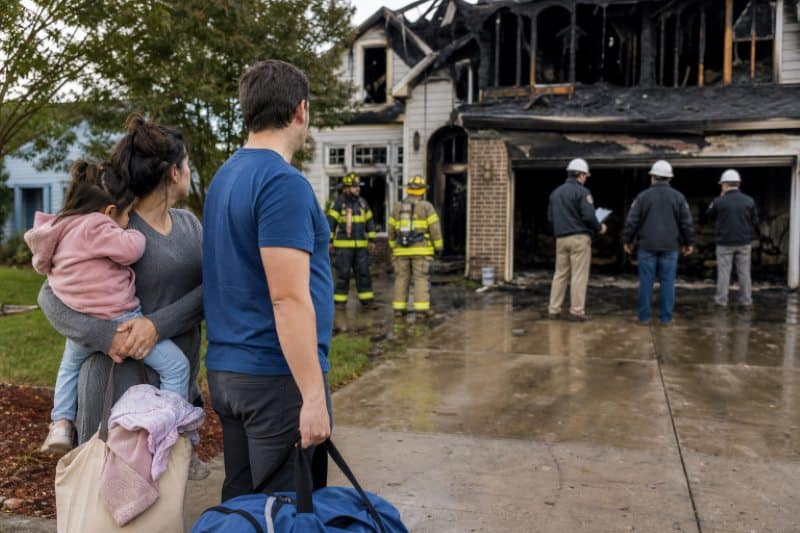
Key Takeaways
- Wait for official approval before going back inside.
- Keep family members, pets, and visitors away from damaged areas.
- Contact your insurer, landlord, and utility providers promptly.
- Take photos, videos, and notes before moving or discarding items.
- Smoke, soot, heat, and water can cause damage that is not easy to see.
- Use trained professionals for structural, electrical, and major cleanup concerns.
After a house fire, it is normal to feel overwhelmed and unsure where to begin. The best first step is to protect people, pets, and personal safety before worrying about cleanup. Once officials say the property is safe to enter, professional fire damage restoration in New Orleans can help address smoke, soot, water, and damaged materials.
Recovery often happens in stages. First, secure a safe place to stay and gather essentials. Then document the loss, start an insurance claim, and make careful decisions about cleanup and repairs. A written plan can reduce stress and help prevent important steps from being missed.
What To Do In The First Few Hours?
After a fire, make sure everyone, including pets, is safe and call 911 immediately if anyone requires medical attention. Do not re-enter the property until the fire department confirms it is safe to do so. Keep a record of the fire report number and the department’s contact information, as these may be needed for insurance claims and the recovery process. Notify close family members about the situation, but avoid sharing detailed information about an unoccupied home on public social media for security reasons. Once emergency officials have cleared the property, arranging professional fire damage restoration in Chalmette can help assess the extent of the damage, begin cleanup, and support the property’s safe recovery.
When It Is Safe To Re-Enter?
Do not enter the property because the flames are out. Hidden heat, weakened ceilings, broken glass, exposed wiring, and standing water can remain. Follow directions from fire officials, building inspectors, and utility companies. Do not turn on electricity, gas, or water yourself.
Warning Signs To Take Seriously
- Sagging ceilings, soft floors, or cracked walls
- Loose roofing, bricks, glass, or debris
- Exposed wires, damaged outlets, or water near electrical equipment
- Strong chemical odors or heavy smoke residue
Finding Temporary Housing And Essential Supplies
Find a safe place to sleep before making long-term decisions. Ask your insurance company whether your policy covers additional living expenses, including hotel costs, meals, transportation, or rental housing. Families in nearby communities who need help after a fire can review the U.S. Fire Administration’s guidance for recovering after a home fire before beginning major cleanup.
Within the first day, gather prescriptions, identification, bank cards, chargers, work materials, school supplies, pet food, carriers, and medical records. Keep every receipt for lodging, clothing, meals, transportation, and emergency purchases. These records may be useful during the insurance process.
Starting An Insurance Claim
Call the insurance company as soon as possible, but do not guess what the policy covers. Ask for a claim number, the adjuster’s contact details, and written instructions. For homeowners in New Jersey, working with a trusted homeowner insurance NJ provider can make it easier to explore reliable coverage options and get personalized guidance when recovering from unexpected property damage. Ask whether the adjuster needs to inspect the home before belongings are moved, cleaned, or discarded. Renters should contact their landlord and renters insurance carrier right away.
Questions To Ask Your Insurer
- Which emergency expenses may be covered?
- Are temporary housing and meals included?
- Should damaged belongings stay in place for inspection?
- Which repairs need approval before work begins?
- What records, estimates, and receipts are required?
How To Document Fire Damage?
After official clearance, photograph and record each room from several angles. Include walls, floors, ceilings, furniture, appliances, windows, and personal items. Capture smoke stains, soot, water damage, and visible structural concerns. Create a room-by-room inventory with item descriptions, estimated ages, and replacement costs when available.
Keep copies of fire reports, insurance forms, emails, estimates, and receipts in one folder or cloud account. Do not throw away damaged belongings until the insurer provides instructions, unless the item creates an immediate health or safety risk.
Why Smoke, Soot, And Water Need Quick Attention?
Fire damage persists after the flames have stopped. Smoke residue can settle throughout the home, while firefighting water can soak drywall, flooring, insulation, and furniture. Heat may weaken materials that still look normal. Damp conditions can also lead to odors, staining, corrosion, and microbial growth.
Smoke contains fine particles that can irritate the eyes and respiratory system, especially for children, older adults, and people with heart or lung conditions. The U.S. Environmental Protection Agency’s indoor air guidance explains why smoke particles can affect indoor air and breathing health.
What To Clean And What To Leave Alone?
After clearance, you may be able to remove important documents, separate clean items, and wipe small nonporous objects. Avoid aggressive scrubbing because it can spread soot or push residue deeper into surfaces. Replace food, medicine, cosmetics, and hygiene products exposed to smoke, heat, or firefighting water.
Do not use electrical appliances in a damaged building. Avoid cleaning heavy soot, mold, contaminated water, or unstable areas without proper training and equipment. Strong fragrances and harsh chemicals may mask odors temporarily, but they do not address the underlying problem.
Choosing Restoration Help And Sorting Belongings
Ask restoration providers about licensing, insurance, safety practices, written estimates, communication, and who will perform the work. A clear estimate should separate cleaning, drying, repairs, and rebuilding when possible. Avoid signing unclear agreements during a stressful moment.
Sort belongings into four groups: keep, clean, evaluate, and discard. Clothing, electronics, books, photos, furniture, and documents may need different treatment. Photograph items before they are moved. Save receipts for replacements, professional cleaning, and storage.
Protecting Health And Supporting Emotional Recovery
Use the recommended protective equipment for the job, and keep children and pets away from debris. Seek medical advice for breathing trouble, dizziness, headaches, or unusual irritation. Contact a veterinarian if a pet may have inhaled smoke. Recovery is also emotional. Accept help from trusted people and consider counseling if stress, grief, or fear becomes hard to manage.
A Simple Post-Fire Checklist
- Make sure people and pets are safe.
- Wait for official permission to enter.
- Arrange temporary housing and essential supplies.
- Contact insurers, landlords, and utility providers.
- Document damage and save all receipts.
- Secure the property from weather and unauthorized entry.
- Use qualified help for cleanup, drying, repairs, and rebuilding.
Moving Forward After A House Fire
A house fire can change daily life in an instant, but recovery does not have to be handled all at once. Put safety first, document the damage carefully, and make decisions one step at a time. With organized records, qualified support, and patience, households can begin rebuilding a safer and more stable routine.
