


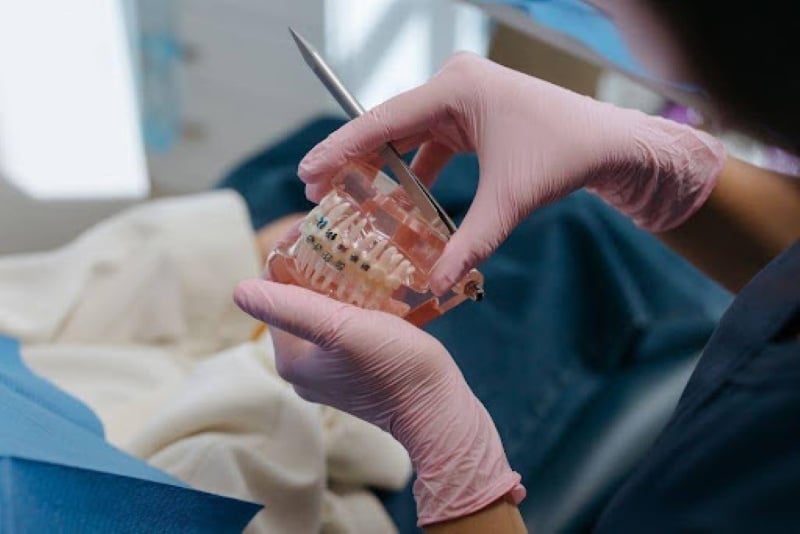
The Science of Facial Aesthetics and Orthodontics: Macro, Micro, and Nano Balance
Orthodontics is often seen as a path to a straighter smile, but its influence extends far beyond perfectly aligned teeth. In fact, it plays a critical role in shaping overall facial harmony and balance. Many individuals, about 52% of adults, feel self-conscious about their smiles, highlighting the deep connection between dental appearance and self-esteem.
This guide delves into the fascinating world where Facial Aesthetics and Orthodontics converge. We will explore how orthodontic treatment not only corrects dental issues but also significantly enhances the soft tissues of the face, jawline, and overall facial symmetry. Understanding this broader impact can reveal how a healthier, more aligned bite contributes to a more confident and attractive facial profile.
From improving jaw alignment problems to creating facial symmetry and supporting your lips and cheeks, orthodontics offers comprehensive benefits. While orthodontic treatments can achieve remarkable transformations, for some, a truly harmonious facial aesthetic may involve a collaborative approach, potentially including specialized care like facial plastic surgery.
Join us as we uncover the science behind dentofacial balance, the importance of the soft tissue paradigm, and how orthodontists meticulously plan treatments to achieve optimal facial aesthetics.
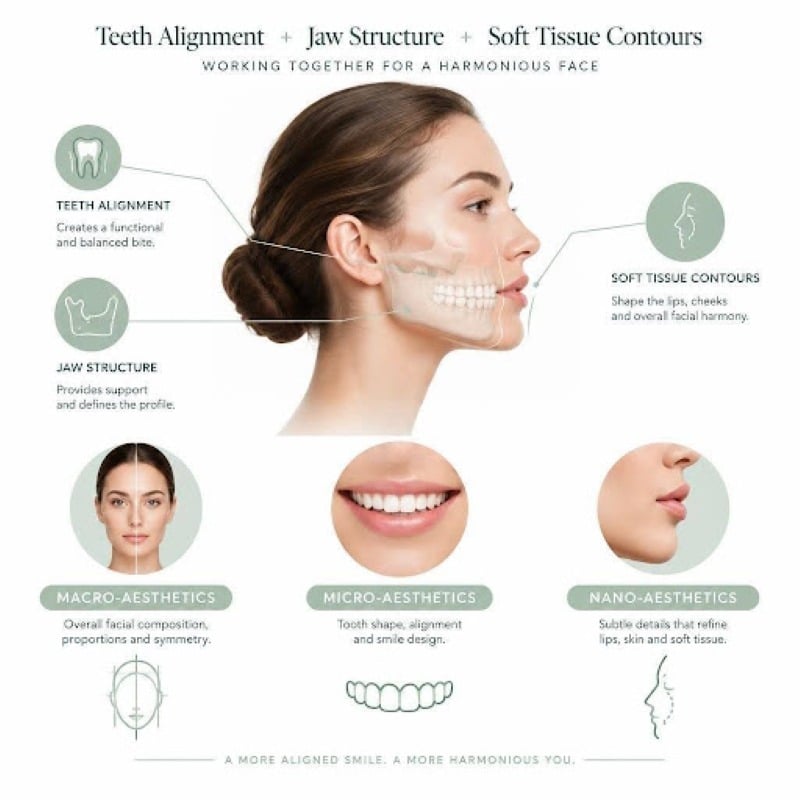 The pursuit of an attractive smile and balanced facial features is a complex interplay of various elements, often categorized into macro-, micro-, and nano-aesthetics. This holistic approach is fundamental in modern orthodontics, where treatment planning extends beyond simply straightening teeth to encompass the entire facial morphology.
Macro-aesthetics refer to the overall facial composition, including the balance of the facial thirds, the symmetry of the jaw, and the harmony of the facial profile. This broad view considers how the teeth and jaws relate to the entire face. For instance, a misaligned jaw can lead to an unbalanced facial appearance, impacting overall attractiveness.
Micro-aesthetics focus on the appearance of individual teeth and their relationship to each other. This includes aspects like tooth shape, size, color, and proportion, as well as the alignment of the dental arch. While seemingly small details, these contribute significantly to the perceived beauty of a smile.
Finally, Nano-aesthetics delve into the minute details of the tooth surface, such as texture, translucency, and the way light reflects off the enamel. These subtle characteristics contribute to the natural and vibrant appearance of a healthy smile.
Orthodontic treatment impacts all these levels. By correcting the position of the hard tissues—the teeth and jawbones—orthodontists can indirectly influence the overlying soft tissue framework of the lips, cheeks, and chin. This comprehensive understanding allows a skilled orthodontist to plan treatments that not only achieve a functional bite but also enhance overall facial harmony. For a deeper dive into how specialized dental care can transform your appearance, consulting a reputable specialist orthodontic practice is often the first step.
Evaluating Proportions: Facial Thirds and Midline Symmetry
A fundamental principle in assessing facial aesthetics is the concept of facial thirds. The face is typically divided into three equal horizontal sections:
- Upper third: From the hairline to the eyebrows.
- Middle third: From the eyebrows to the base of the nose.
- Lower third: From the base of the nose to the bottom of the chin.
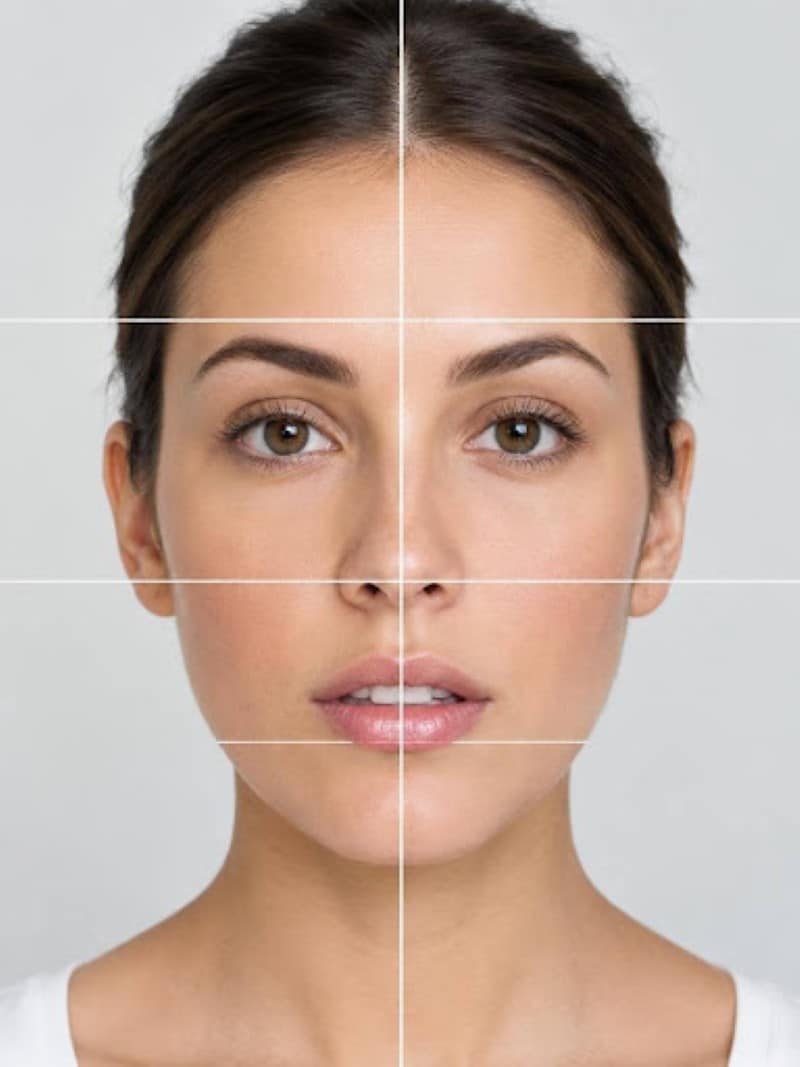 When these thirds are proportionally balanced, the face is generally considered more aesthetically pleasing. Orthodontic treatment, particularly when addressing skeletal discrepancies, can significantly influence the vertical dimension of the lower third of the face, bringing it into better harmony with the other sections.
Another crucial aspect is midline symmetry. The dental midline, an imaginary line between the two central upper incisors, should ideally align with the facial midline (a line drawn from the center of the forehead down to the chin). Deviations in the dental midline can create an illusion of facial asymmetry, even if the underlying skeletal structure is symmetrical. Orthodontics can meticulously correct these deviations, contributing to a more balanced and symmetrical smile.
Furthermore, the smile arc—the curvature of the upper teeth that should ideally follow the curve of the lower lip when smiling—and the appropriate incisal display (the amount of upper front teeth visible at rest and during speech) are vital for an attractive smile. Orthodontic treatment carefully considers these elements, ensuring that the final tooth positions enhance both the smile and the overall facial balance.
Soft Tissue Support: Lip Incompetence and Cheek Contouring
The position of your teeth and jawbones provides the underlying structural support for your facial soft tissues, including your lips and cheeks. When this support is optimal, it contributes to a more youthful and harmonious facial appearance.
For example, properly aligned anterior teeth can significantly influence lip fullness and projection. If the upper teeth are recessed, the upper lip may appear thin or retruded. Orthodontic treatment can bring these teeth forward to a more ideal position, providing better support for the lip and potentially enhancing its fullness. Similarly, the position of the posterior teeth and the width of the dental arches can affect cheek support, contributing to a more defined and youthful cheek contour.
Lip incompetence, a condition where the lips cannot comfortably close at rest without straining the surrounding muscles, is another soft tissue concern that orthodontics can address. This often results from dental or skeletal discrepancies, such as protrusive upper front teeth or an open bite. By correcting these underlying issues, orthodontics can improve lip posture and reduce muscle strain, leading to a more relaxed and aesthetically pleasing facial expression.
The nasolabial angle (the angle between the base of the nose and the upper lip) and the vermilion display (the visible red part of the lips) are also influenced by orthodontic treatment. Changes in incisor inclination and jaw position can subtly alter these angles, refining the facial profile. By optimizing the hard tissue positions, orthodontics effectively sculpts the soft tissues, resulting in fuller lips, better cheek support, and a more balanced perioral musculature.
Correcting Malocclusion and Facial Profile Discrepancies
Malocclusion, or a “bad bite,” is not just a dental issue; it significantly impacts facial aesthetics and overall functional harmony. Conditions like overbites, underbites, and crossbites can lead to noticeable sagittal discrepancies (front-to-back jaw relationships) and affect the skeletal balance of the face.
Correcting these malocclusions through orthodontics is crucial for achieving occlusion correction and functional harmony. A balanced bite allows for efficient chewing, clearer speech, and can alleviate strain on the temporomandibular joint (TMJ), preventing pain and dysfunction. Beyond these functional benefits, the aesthetic improvements are often profound. By repositioning the jaws and aligning the teeth, orthodontics can dramatically enhance the facial profile, jawline definition, and overall facial symmetry, transforming a patient’s appearance and boosting their confidence.
Optimizing Profile Angles in Facial Aesthetics and Orthodontics
Modern orthodontics places significant emphasis on quantifiable facial features to guide treatment planning and predict aesthetic outcomes. Specific profile angles have been identified as strongly correlating with perceived attractiveness. Two such critical angles are:
- pg.sm.hori angle: This angle, which measures the relationship of the soft-tissue pogonion (the most anterior point of the chin) to a horizontal reference line, is a key indicator of chin prominence and lower facial convexity. Research suggests that the highest facial aesthetic ratings for this feature are achieved at approximately 80°.
- pg.n.ls angle: This angle assesses the relationship between the soft-tissue pogonion, the nose, and the upper lip, providing insight into the balance of the mid-face and lower face. Optimal aesthetic ratings have been observed when this angle is around 8°.
These measurements, often derived from cephalometric analysis (X-ray imaging of the head), allow orthodontists to precisely evaluate the skeletal and soft tissue relationships of the face. By understanding these optimal angles, orthodontists can tailor treatment plans to achieve specific aesthetic goals, rather than just dental alignment. A retrospective study of 73 orthodontic patients found significant increases in facial aesthetic ratings (FAR), particularly in profile views, after treatment. The study highlighted that changes in the lip area (retraction) and slight chin protrusion were the primary morphological changes linked to aesthetic improvement.
Here’s a simplified representation of how these metrics correlate with aesthetic outcomes:
Profile Feature Optimal Angle (Approx.) Impact on Aesthetics pg.sm.hori angle 80° Enhances chin prominence, improves lower facial balance pg.n.ls angle 8° Refines mid-face to lower-face harmony, lip position By targeting these specific angles, orthodontists can guide jaw growth and tooth movement to create a more harmonious and attractive facial profile.
Addressing Overbites, Underbites, and Asymmetry
One of the most impactful ways orthodontics enhances facial aesthetics is by correcting significant bite issues that distort the facial profile.
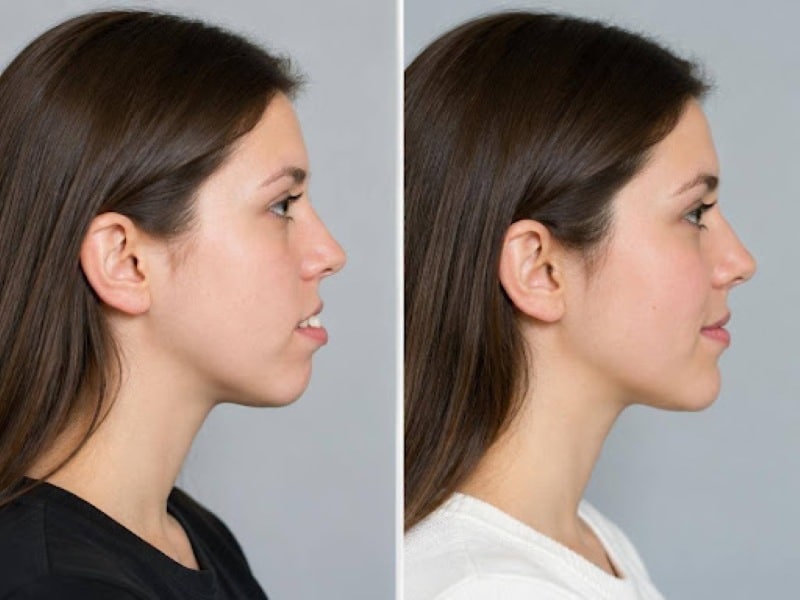
- Overbites (Class II Malocclusion): Often characterized by a retrognathic mandible (a lower jaw that is set back), overbites can result in a convex facial profile, a receding chin, and a prominent upper lip. Orthodontic treatment for Class II malocclusion aims to bring the lower jaw forward or retract the upper teeth, creating a more balanced profile and enhancing chin prominence.
- Underbites (Class III Malocclusion): Conversely, underbites typically involve prognathism (a prominent lower jaw) and a concave facial profile. About 10% of the population suffers from an underbite. Correcting Class III malocclusion involves either retracting the lower jaw or advancing the upper jaw, leading to a more harmonious and less harsh facial appearance.
- Crossbites and Asymmetry: A crossbite, where upper teeth fit inside lower teeth, can lead to facial asymmetry if left uncorrected, especially if it causes a functional shift of the mandible. Orthodontic intervention can correct the crossbite, align the dental arches, and improve overall facial symmetry.
The transformation achieved through correcting these conditions can be remarkable, not just for the smile but for the entire face. Patients often report increased confidence after their smile becomes more symmetrical and their facial profile more balanced.
Treatment Modalities and Their Aesthetic Implications
The field of orthodontics offers a range of treatment modalities, each with unique aesthetic implications for the patient. The choice of treatment often depends on the severity of the malocclusion, patient preferences, and the specific aesthetic goals.
Fixed braces, traditionally metal, are highly effective in correcting complex dental and skeletal issues. While visible, modern advancements include ceramic braces that blend with tooth color, offering a more discreet option. Braces provide precise control over tooth movement, making them suitable for significant transformations in facial structure.
Clear aligners, such as Invisalign, have revolutionized adult orthodontics due to their discreet nature. They are virtually invisible, making them an appealing choice for patients concerned about the aesthetics of traditional braces during treatment. Clear aligners can effectively address many aesthetic concerns, including minor to moderate crowding, spacing, and bite issues, contributing to improved lip support and smile width.
Beyond the appliances themselves, modern orthodontics heavily relies on advanced technology for optimal aesthetic outcomes:
- Digital Smile Design (DSD): This process allows orthodontists to visualize and plan the ideal smile and facial aesthetics digitally. By integrating facial photos, intra-oral scans, and CBCT data, DSD creates a virtual patient, enabling precise planning of tooth positions in relation to facial proportions.
- 3D Stereophotogrammetry: This technology captures detailed 3D images of the face, providing objective measurements of soft tissue changes during treatment. It’s invaluable for monitoring progress and ensuring that aesthetic goals are met.
- Virtual Planning: Using specialized software, orthodontists can simulate different treatment scenarios and predict the aesthetic outcomes before any physical treatment begins. This allows for fine-tuning the treatment plan to achieve the most harmonious facial balance.
These technologies enhance predictability, improve communication with patients, and ensure that the chosen treatment modality delivers the desired aesthetic results.
Non-Extraction vs. Premolar Extraction Protocols
One of the significant decisions in orthodontic treatment planning, particularly for patients with crowding or protrusive teeth, is whether to proceed with premolar extraction. This decision carries substantial implications for facial aesthetics.
Historically, extraction was a common approach to create space and retract anterior teeth. While effective for resolving severe crowding and reducing lip protrusion, it can sometimes lead to excessive lip retraction, resulting in a “dished-in” or profile flattening effect. This can also affect the subnasale contour (the area below the nose), making it appear less full. However, for certain cases, especially those with significant dental biprotrusion, extraction can dramatically improve facial harmony by bringing the lips into better balance with the nose and chin. In fact, a study found that patients who underwent premolar extraction showed a higher improvement in facial aesthetic ratings compared to those who did not, suggesting that for specific indications, extraction can be highly beneficial for aesthetic outcomes.
Conversely, non-extraction protocols often rely on arch expansion to create space. This approach aims to maintain or enhance lip fullness and avoid any potential flattening of the profile. It is often preferred when patients have adequate jaw size or when minimal crowding is present.
The decision to extract or not is complex and depends on a thorough analysis of the patient’s skeletal pattern, soft tissue profile, and dental crowding. Clinical criteria for this decision typically include:
- Severity of crowding: Significant crowding often necessitates space creation.
- Anterior tooth protrusion: How far forward the front teeth and lips extend.
- Facial profile: Whether the patient has a convex, straight, or concave profile.
- Skeletal pattern: The underlying jaw relationship.
- Lip competence: The ability to close lips comfortably.
- Patient preferences: Aesthetic concerns about lip fullness or profile.
Interdisciplinary Planning for Facial Aesthetics and Orthodontics
While orthodontics alone can achieve remarkable transformations, some complex cases require an interdisciplinary approach involving collaboration with other specialists to achieve optimal facial aesthetics and function. This is particularly true for patients with severe skeletal discrepancies that cannot be corrected by tooth movement alone.
In such instances, orthognathic surgery (jaw surgery) becomes a vital component of the treatment plan. This surgical procedure corrects misalignments of the jawbones, allowing for significant changes in facial balance and profile. Common orthognathic procedures include:
- Le Fort I osteotomy: Used to reposition the upper jaw.
- Bilateral sagittal split osteotomy (BSSO): Used to reposition the lower jaw.
These surgeries, when combined with orthodontic treatment, can address issues like severe overbites, underbites, and facial asymmetry, leading to dramatic improvements in facial harmony. Patients who underwent orthognathic surgery experienced substantial changes in facial aesthetic ratings before and after orthodontic treatment, often resulting in a more balanced and attractive facial appearance.
A modern approach, the surgery-first approach, involves performing orthognathic surgery before extensive orthodontic tooth movement. This can reduce overall treatment time and provide earlier aesthetic improvement, boosting patient morale.
Beyond jaw surgery, interdisciplinary planning may also involve other specialists for comprehensive soft-tissue rejuvenation. For example, a periodontist might perform gum contouring, or a cosmetic dentist might place veneers after orthodontic alignment. In some cases, to achieve the most harmonious facial aesthetic, a patient might also consider adjunct procedures such as those offered by a reputable facial plastic surgery practice. This holistic approach ensures that all aspects of facial aesthetics are addressed, from the underlying bone structure to the soft tissues and the final dental details.
Frequently Asked Questions About Orthodontics and Facial Appearance
Patients often have specific questions about how orthodontic treatment will impact their facial features beyond just straightening teeth. Here are some common inquiries:
How does orthodontic treatment alter the jawline and chin profile?
Orthodontic treatment can significantly influence the jawline and chin profile by changing the position of the teeth and, in some cases, the jawbones themselves. When teeth are aligned and the bite is corrected, it can optimize mandibular posture, allowing the lower jaw to sit in a more natural and balanced position.
For instance, correcting a deep overbite (where the upper front teeth significantly overlap the lower ones) can increase the vertical dimension of the lower face and allow the mandible to rotate slightly forward, enhancing chin projection. Similarly, reducing a severe underbite can bring the lower jaw back, improving the definition of the jawline and the appearance of the soft-tissue pogonion (the most prominent part of the chin). While orthodontics primarily moves teeth, these dental movements can have a profound indirect effect on the surrounding bone and soft tissues, leading to a more defined and aesthetically pleasing jawline and chin.
Can orthodontic appliances fix facial asymmetry without surgery?
Orthodontic appliances can address certain types of facial asymmetry effectively, particularly those related to dental alignment and minor functional shifts. If the asymmetry stems from a dental midline deviation or a functional shift (where the lower jaw shifts to one side to achieve a comfortable bite), orthodontics can often correct these issues by aligning the teeth and guiding the jaw into a more centered position. Techniques like asymmetric expansion can widen one side of the dental arch more than the other to improve symmetry.
However, there are skeletal asymmetry limitations. If the asymmetry is due to significant differences in the size or position of the jawbones themselves (skeletal asymmetry), orthodontic appliances alone may not be sufficient. In such cases, surgical intervention (orthognathic surgery) combined with orthodontics is often necessary to achieve optimal facial balance. An orthodontist will conduct a thorough evaluation to determine the underlying cause of the asymmetry and recommend the most appropriate treatment plan.
What are the main soft tissue changes following orthodontic premolar extractions?
When premolar extractions are part of an orthodontic treatment plan, the primary goal is often to create space for retracting protrusive front teeth, which can lead to noticeable soft tissue changes. The most common changes include:
- Incisor retraction: The upper and/or lower front teeth are moved backward, which in turn pulls the lips back.
- Improved lip competence: For individuals with protrusive teeth and lips that struggle to close naturally, retracting the incisors can allow the lips to meet more easily and comfortably at rest, reducing strain.
- Nasolabial angle opening: The angle between the base of the nose and the upper lip may become more open (less acute) as the upper lip moves backward. This can create a more refined and less protrusive profile.
- Vermilion border thinning: In some cases, significant lip retraction can lead to a slight thinning of the visible red part of the lips, though this varies greatly among individuals.
While these changes can dramatically improve the facial profile for patients with biprotrusion, the potential for excessive lip retraction or a “dished-in” facial appearance is a concern that orthodontists carefully evaluate before recommending extractions. The overall impact is highly individualized and depends on the patient’s initial facial morphology and the degree of tooth movement required.
Conclusion
The journey through Facial Aesthetics and Orthodontics reveals a profound connection between a healthy bite and a harmonious facial appearance. It’s clear that orthodontic treatment offers far more than just straight teeth; it’s a powerful tool for enhancing facial symmetry, balancing proportions, and providing crucial soft tissue support for the lips and cheeks. From correcting severe malocclusions like overbites and underbites to refining subtle profile angles, orthodontics can significantly boost self-confidence and improve overall well-being.
The advancements in treatment modalities, including discreet clear aligners and sophisticated digital planning tools, allow for personalized and predictable outcomes. Whether through non-extraction or carefully planned premolar extraction protocols, the goal remains consistent: to achieve a functional occlusion that simultaneously creates a balanced and attractive facial profile. For complex cases, interdisciplinary planning with specialists, including those in plastic surgery, ensures that every aspect of facial aesthetics is addressed.
Achieving your best smile and facial harmony begins with comprehensive diagnostics and a personalized treatment plan from a qualified orthodontist. This investment not only ensures beautiful results but also contributes to long-term oral health and confidence.
