


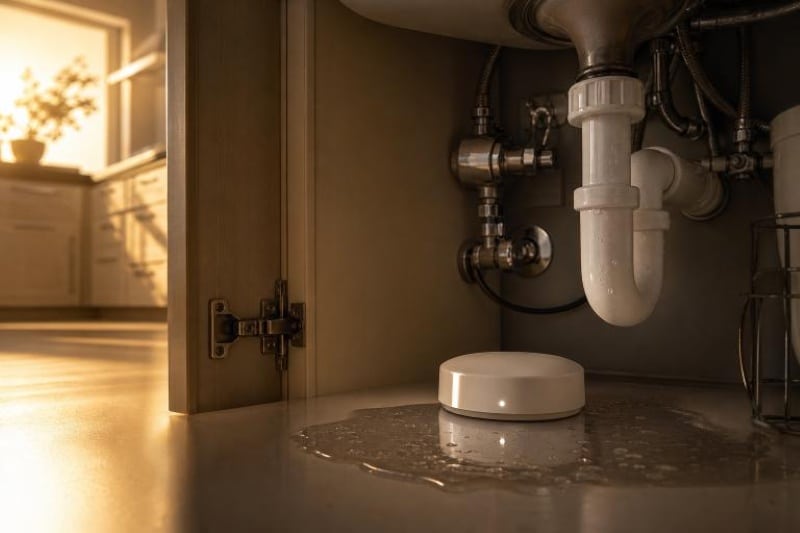
Small plumbing leaks rarely announce themselves with a dramatic flood. More often, they begin as a slow drip under a cabinet, a loose washing-machine connection, or a pinhole leak behind a wall. Knowing what to watch for, where to place sensors, and when to call a local plumber San Antonio can help protect your home before a minor issue becomes costly damage. Smart leak detection is not a substitute for plumbing maintenance, but it can provide valuable early warning. Combined with accessible shutoff valves, routine inspections, and a clear response plan, the right system can help homeowners react faster when water appears where it should not be.
Why Home Leaks Often Go Unnoticed?
Water can travel far from its source before becoming visible. A leak may hide behind drywall, beneath flooring, inside a vanity, or under an appliance that is rarely moved. By the time a stain appears on a ceiling or a musty odor develops, moisture may have already affected nearby materials.
Common warning signs include a water bill that rises without an obvious reason, peeling or bubbling paint, warped baseboards, damp cabinet floors, soft spots in flooring, mildew smells, and discoloration around walls or ceilings. Yes, a leak can cause serious damage even without a visible puddle. For example, a loose supply line behind a washing machine can drip slowly for hours, soaking the wall or floor behind it before anyone notices.
How Smart Leak Detection Works?
A smart leak detector is a device or connected system that watches for moisture, unusual water flow, or pressure changes. Basic models sound an alarm when their metal contacts come into contact with water. Connected models can also send app notifications, record water-use patterns, and, in some setups, automatically close the main water supply. Consumer reports on water leak detectors and water-damage prevention highlight an important distinction: a simple sensor can alert you to nearby water.
At the same time, a system with an automatic shutoff valve may help limit the flow in the event of a major leak. Neither option repairs a broken pipe, failed appliance hose, or damaged fixture. For reliable protection, keep batteries fresh, verify that phone notifications reach the right people, and test alerts periodically. Wi-Fi-dependent equipment also needs a stable internet connection. If your home loses power or internet during severe weather, know how to shut off the water manually.
The Best Places To Install Leak Sensors
Start with locations where plumbing connections, drains, or water-using appliances are most likely to leak. One sensor cannot protect an entire house, so prioritize high-risk areas first.
- Under kitchen and bathroom sinks: Place sensors near supply valves, flexible hoses, drain traps, and disposal connections.
- Near water-using appliances: Monitor washing machines, dishwashers, refrigerators with water lines, and water heaters.
- Beside toilets: A sensor near the supply connection or behind the bowl may catch leaks from valves, tanks, or seals.
- In utility rooms: Watch around water softeners, filters, pumps, exposed pipes, and HVAC condensate drains.
- In basements, crawl spaces, and attics: Focus on low points, pipe runs, tanks, and areas below the roof or air-conditioning equipment.
- Near exterior walls: Pay attention to plumbing near outside walls during freezes or major temperature swings.
Types Of Leak Detection Systems
Point, Cable, and Whole-Home Options
- Point sensors: Compact devices that detect moisture in one specific location. They are usually the easiest and least expensive starting point.
- Rope or cable sensors: Flexible sensor cables that cover a longer path beneath appliances, around water heaters, or along a utility-room floor.
- Whole-home flow monitors: Devices installed near the main supply line that look for unusual water use, such as a fixture running longer than expected.
- Automatic shutoff systems: Systems that can close the main water valve when they detect a serious leak pattern or receive a signal from a sensor.
- Connected home systems: Platforms that combine sensors, water-use information, mobile alerts, and shutoff controls in one app.
Smart water protection is still far from universal. Research cited by Parks Associates and JCI illustrates the gap between homeowners who have experienced leak damage and those using smart detection tools. That makes a practical, layered approach especially worthwhile.
Features Worth Comparing
Compare systems based on the home’s layout, your travel habits, and how quickly you could respond to an alert. Useful features include:
- A local alarm, phone notification, or both.
- Automatic water shutoff capability.
- Battery life, low-battery warnings, and replacement costs.
- Cellular backup or other options when Wi-Fi is unavailable.
- Water-flow and pressure monitoring.
- Compatibility with existing smart-home equipment.
- Manual valve access during a power outage.
- Installation requirements, warranty terms, and ongoing maintenance.
- Privacy settings, account security, and the ability to update emergency contacts.
A Simple Response Plan For Homeowners
- Confirm the alert if it is safe to do so. Avoid entering areas with standing water near electrical equipment.
- Shut off the nearest fixture valve when the source is obvious and accessible.
- Turn off the main water valve when the source is unknown, water is spreading, or a pipe may have failed.
- Keep electronics, extension cords, and appliances away from wet floors.
- Move rugs, furniture, and valuables away from the affected area.
- Take photos before cleanup if insurance documentation may be needed.
- Call a qualified professional for leaks inside walls, beneath slabs, near wiring, or around gas appliances.
- After repairs, test the sensor or shutoff system again.
Common Mistakes To Avoid
- Installing one sensor and assuming the entire home is protected.
- Putting sensors where routine mopping, condensation, or splashing causes repeated false alarms.
- Ignoring low-battery warnings or outdated app settings.
- Failing to test notifications while away from home.
- Relying only on Wi-Fi alerts during an outage.
- Assuming an automatic shutoff valve replaces plumbing inspections.
- Blocking access to the main water shutoff or fixture valves.
When To Call A Professional
Some plumbing problems require more than a sensor and a quick cleanup. Contact a professional when water is coming from a wall, ceiling, or floor; a pipe has burst; repeated moisture has no clear source; a drain backs up into the home; water pressure changes suddenly; or the leak involves a water heater, electrical equipment, or gas appliance. A professional can also assess whether older plumbing can support a whole-home shutoff system.
A 2026 Home Leak Protection Checklist
- Locate, label, and test the main water shutoff valve.
- Inspect visible supply lines, appliance hoses, valves, and drains.
- Install sensors near high-risk fixtures and appliances.
- Test every local alarm and mobile notification.
- Replace weak batteries before travel, storms, or freezing weather.
- Review water-use patterns for unexplained changes.
- Ask your insurance provider whether prevention devices affect coverage or available discounts.
- Schedule professional service for hidden, recurring, or high-pressure leaks.
Leak detection works best as part of a broader home-care routine. Sensors can provide early warning, but accessible shutoff valves, regular inspections, and timely repairs provide the strongest protection. A few simple preparations can reduce stress, limit water damage, and help you respond with confidence when a plumbing problem appears.
Conclusion
Smart leak detection is most effective when it is combined with good plumbing maintenance and a clear emergency response plan. Leak sensors can provide valuable early warning, but they work best when paired with regular inspections, accessible shutoff valves, and prompt repairs when problems are found. Placing sensors in high-risk areas, testing them regularly, and knowing how to respond to alerts can help reduce the risk of costly water damage.
Homeowners should also stay alert for changes in water use, pressure, or moisture that may indicate hidden leaks. When a leak cannot be located, involves concealed plumbing, or affects water heaters, gas lines, or electrical areas, professional assistance is the safest choice. By taking a proactive approach to leak prevention and acting quickly when warning signs appear, homeowners can better protect their property, reduce repair costs, and keep their plumbing system operating reliably throughout 2026 and beyond.
