


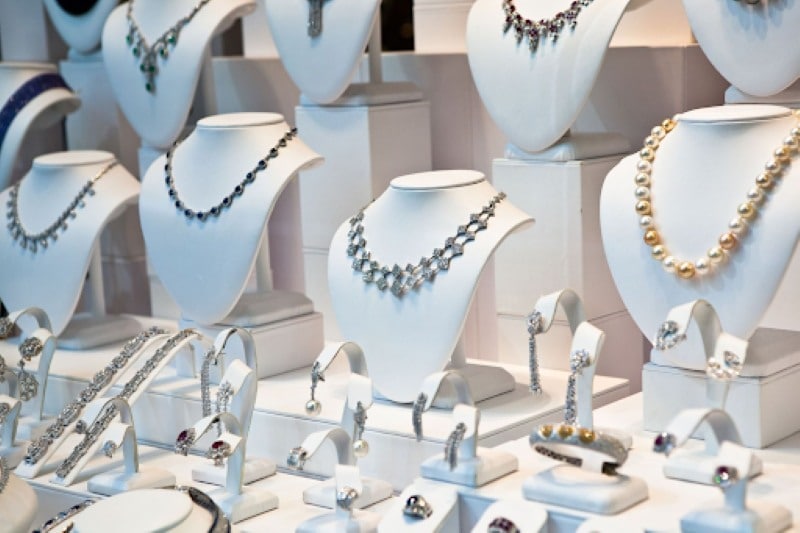
Buying fine jewelry is personal. Whether you’re shopping for an engagement ring, a milestone gift, or something to mark your own achievement, the place you choose matters just as much as the piece itself. A reliable jewelry store should offer more than sparkle in a display case. It should provide transparency, craftsmanship, and guidance that makes you feel confident in your purchase.
Below is a practical guide to help you evaluate quality, service, and long-term value when selecting where to buy fine jewelry.
1. Start With Craftsmanship Standards
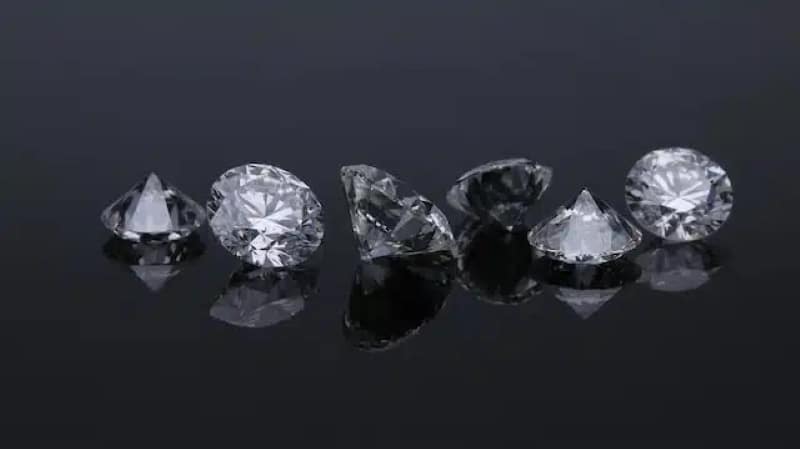
Fine jewelry is defined by the precision of its construction. Look closely at the setting, prongs, symmetry, and finishing details. High-quality craftsmanship shows in:
- Even stone alignment
- Smooth metal finishing without visible pits
- Secure prongs that are evenly shaped
- Balanced proportions in rings and necklaces
Precision setting and symmetry are signs of skilled craftsmanship.
Well-made jewelry should feel solid but refined. A ring should not snag fabric, and clasps should close smoothly without stiffness. Reputable retailers train their staff to explain how pieces are constructed and what makes one setting stronger than another.
Brands like Aura Diamonds are known for emphasizing stone quality and precise finishing, which are strong indicators of long-term durability.
2. Evaluate Diamond and Gemstone Quality
If you’re purchasing diamond jewelry, you should understand the 4Cs: cut, color, clarity, and carat weight. The cut, in particular, affects brilliance more than any other factor. Ask for grading certificates from recognized laboratories such as GIA or IGI.
When examining gemstones:
- Inspect them under natural and store lighting
- Ask whether they are treated or untreated
- Confirm origin and certification when available
A trustworthy retailer will willingly provide documentation and explain grading reports in simple terms. Transparency in stone sourcing is also a positive sign.
3. Assess Metal Purity and Options
Gold, platinum, and silver differ significantly in durability and value.
- 14K and 18K Gold: Balance between durability and richness of color
- Platinum: Dense, hypoallergenic, and highly durable
- Sterling Silve: Affordable but requires maintenance
Inspect metal stamps and finishing quality before purchasing.
Check for metal stamps inside rings or clasps. These markings confirm purity levels. Also ask about rhodium plating for white gold and maintenance requirements for each metal type.
4. Review Custom Design Capabilities
A strong indicator of a high-quality jeweler is the ability to offer custom design services. Customization reflects technical expertise and confidence in craftsmanship.
Ask whether the store:
- Provides CAD previews
- Offers wax models before final production
- Allows modification of existing designs
- Sources specific stones upon request
Custom services show that the jeweler works closely with skilled bench jewelers rather than relying solely on mass-produced inventory.
5. Understand Pricing Transparency
Pricing should be clear and justified. Reputable stores break down cost components such as:
- Stone value
- Metal weight
- Craftsmanship
- Brand premium
Compare pricing across multiple retailers to identify consistency. For example, stores like Bova Diamonds, Shira Diamonds, and Diamonds Direct operate in competitive markets where transparency influences reputation. While pricing can vary slightly based on brand positioning, extreme differences without explanation are a red flag.
6. Examine Return Policies and Warranties
Fine jewelry is a long-term investment. A reputable jeweler provides:
- Written return policies
- Lifetime cleaning services
- Stone tightening and inspection services
- Clear warranty terms
Avoid stores that hesitate to provide written guarantees. Proper documentation protects both buyer and seller.
7. Look at Customer Experience and Expertise
Staff knowledge makes a major difference. Sales professionals should be able to:
- Explain grading reports clearly
- Compare settings logically
- Provide honest feedback based on your budget
A relaxed, informative environment suggests confidence in product quality. Pressure-based selling usually signals the opposite.
Professional consultation builds trust and clarity in purchasing decisions.
A well-run store encourages you to take your time, compare pieces, and ask detailed questions.
8. Inspect Ethical and Sourcing Practices
Modern buyers are increasingly aware of ethical sourcing. Ask about:
- Conflict-free diamond policies
- Sustainable sourcing
- Lab-grown diamond options
Retailers that openly discuss sourcing practices demonstrate accountability and alignment with global standards.
9. Check Online Presence and Reviews
 Even if you plan to purchase in-store, review online feedback first. Look for patterns in comments about:
- After-sales service
- Repair handling
- Quality consistency
- Delivery timelines
Multiple detailed reviews carry more weight than generic praise. Pay attention to how the business responds to negative feedback.
10. Consider Long-Term Relationship Value
Jewelry purchases often lead to future milestones: anniversaries, upgrades, gifts, or redesigns. Choosing a store that maintains client records and offers upgrade policies adds long-term value.
Stores that provide trade-in options for diamond upgrades show confidence in their inventory standards. Aura Diamonds, for instance, focuses on long-term client relationships rather than one-time transactions.
11. Physical Store Environment Matters
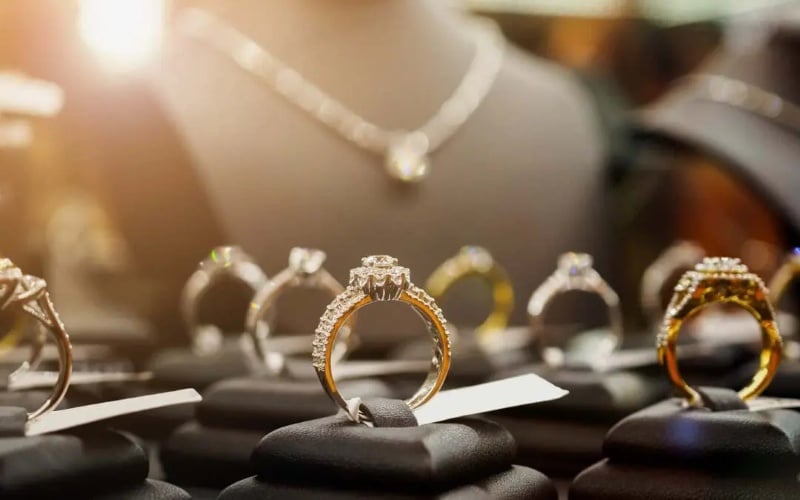
The presentation of a store often reflects its operational standards. Clean displays, organized showcases, and secure presentation systems indicate professionalism.
Lighting also plays a role. Proper lighting enhances brilliance without exaggerating it artificially. Ask to see the piece under natural light whenever possible.
12. Avoid Common Mistakes
- Choosing solely based on price
- Ignoring certification
- Overlooking maintenance requirements
- Failing to compare craftsmanship
Jewelry should be evaluated holistically. The lowest price rarely aligns with the highest quality.
Final Thoughts
Selecting the right jewelry retailer requires attention to detail, patience, and informed decision-making. A dependable store combines skilled craftsmanship, certified gemstones, transparent pricing, and reliable after-sales service.
Fine jewelry represents both financial and emotional value. Taking the time to evaluate craftsmanship, policies, and expertise ensures that your purchase stands the test of time. When these factors align, you gain more than a beautiful piece—you gain confidence in the place where it was crafted and sold.
