


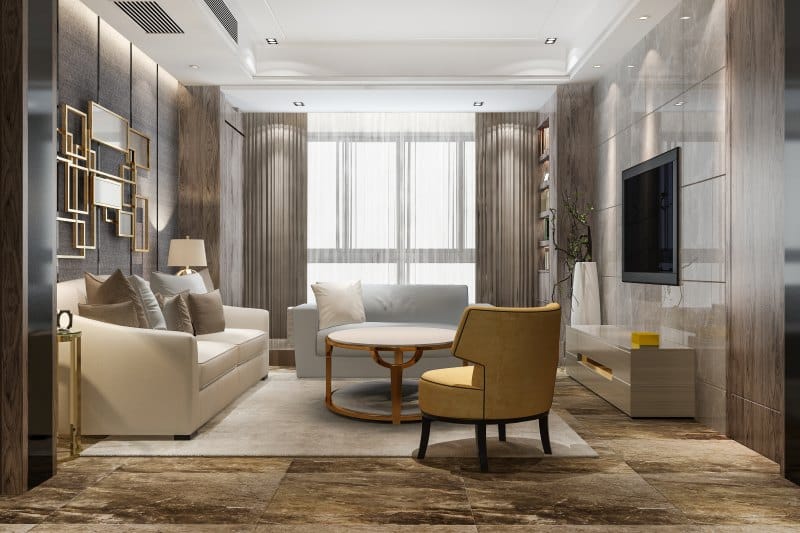
Sustainability has become an integral part of luxury interior design, along with aesthetics. In the modern era of luxury home design, the combination of fine craft skills and eco-friendly options is proving to be a perfect match, creating a harmonious blend that ensures elegance and responsibility go hand-in-hand. Not only do sustainable materials have a less detrimental environmental footprint, but they also add warmth, texture, and timeless beauty to interior spaces. Professionals involved in San Jose property management recommend that homeowners invest in eco-friendly improvements or luxury sustainable materials for a variety of reasons, which translates to greater property value.
Choosing materials with care can take a home to a new level, both in terms of design and promoting a healthier, more sustainable lifestyle, from natural materials to reclaimed resources. More and more, people are thinking about how they can improve their overall health, and also their surroundings, so sustainable luxury remains the future of interior design.
5 Sustainable Materials That Bring Luxury and Responsibility Together
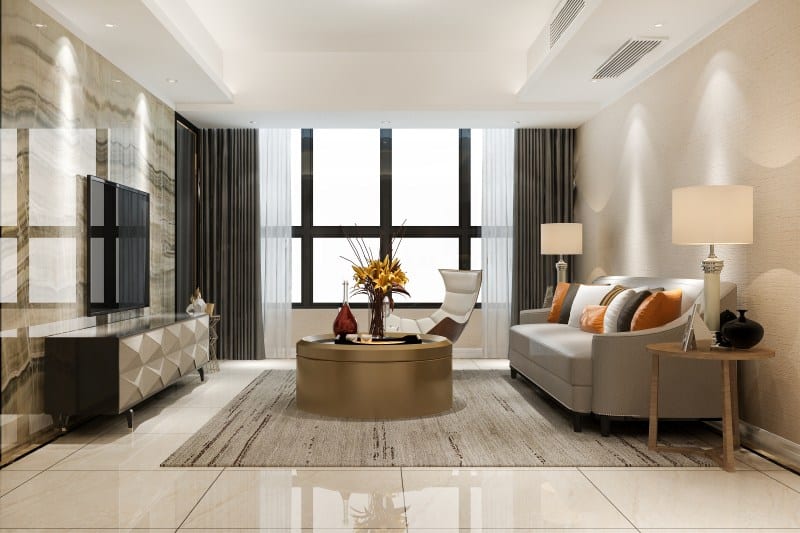
1. Reclaimed Wood Adds Character and Timeless Beauty
Experts in Oakland property management often recommend using reclaimed wood for flooring, cabinetry, or accent walls, as it enhances the space’s appeal, which in turn increases the building’s rental value.
Reclaimed wood has a special blend of eco-friendly and natural beauty. You can use this timber from the old buildings to reduce waste and also conserve valuable resources. Each plank is unique with its texture, grain, and history of its manufacture, which cannot be reproduced by new materials.
Reclaimed wood adds warmth and authenticity to luxury interiors, as well as to contemporary, rustic, and minimalist design styles. The long life and timeless beauty make it a good long-term investment for luxury interior remodeling.
Did you know?
Oakland’s rental market continues to attract demand, with average apartment rents typically ranging from $2,200 to $3,000 per month.
2. Bamboo Provides Strength and Renewable Elegance
Bamboo is quickly becoming one of the most useful and environmentally friendly materials in interior design. The bamboo is one of the fastest-growing renewable resources and can reproduce naturally with minimal environmental impact.
It has a streamlined look and great durability, so it’s perfect for flooring, furniture, cabinetry, and decorative accents. Bamboo is naturally toned and adds a peaceful atmosphere to the interior, which further enhances its versatility in regard to interior style.
In addition to its aesthetic appeal, bamboo’s durability and environmental friendliness make it an attractive option for homeowners looking for sustainability without sacrificing comfort.
3. Natural Stone Creates Enduring Sophistication
Marble, slate, travertine, and limestone are just a few examples of natural stone materials that add a timeless touch of luxury to interior spaces and have an extraordinary lifespan. These materials, used responsibly, can be used to promote sustainable design because they are durable and can last for a long time.
Stone surfaces have a low need for replacement in the long term, thereby minimizing resource use and maintenance needs. They have an organic feel and come with their own distinctive patterns that make the rooms look interesting and beautiful over the years.
Natural stone is a good choice for countertops, flooring, or even for bold walls—it provides elegance and creates a sense of nature in the house.
Did you know?
San Jose’s rental market remains among the most expensive in California, with average apartment rents frequently ranging between $2,500 to $3,500 per month.
4. Organic Textiles Enhance Comfort and Wellness
Luxury textiles are a key part of complementing luxurious interior designs, and there are also a number of sustainable luxury textiles that are comfortable and additionally green. Many of these materials are less harmful to the environment and don’t use as many chemicals as traditional materials.
Organic fabrics are not only beneficial for the indoor environment, but they also help make it healthier as they add softness and texture to the interior and minimize contact with harmful substances. Linen drapes, wool rugs, and cotton upholstery exude comfortable interiors that are both elegant and soothing. Natural fibers are timeless, so they will stand the test of time both in terms of style and functionality.
5. Recycled Glass Offers Modern Artistic Appeal
Because of its versatility and unique looks, recycled glass is gaining popularity in luxury design. Recycled glass adds vibrant textures and contemporary sophistication to countertops, backsplashes, decorative panels, and lighting fixtures.
This material not only diverts waste from landfills, but also converts discarded resources into lovely design elements. Its reflective properties enhance natural light, resulting in more vibrant and lively interior spaces.
The recycled glass project is a testament to the power of sustainability and innovation in creating beautiful, eco-friendly spaces.
End Point
But beautiful interiors are not only beautiful; they can also be designed sustainably and provide long-term value. Ditch the contemporary and go for a classic style with elegance, using reclaimed wood, bamboo, natural stone, organic textiles, and recycled glass, while practicing conscious living. Today, as sustainability becomes a more important design consideration, the right materials can make a space elegant and durable, and meet today’s demands for more sustainable and healthy living.
